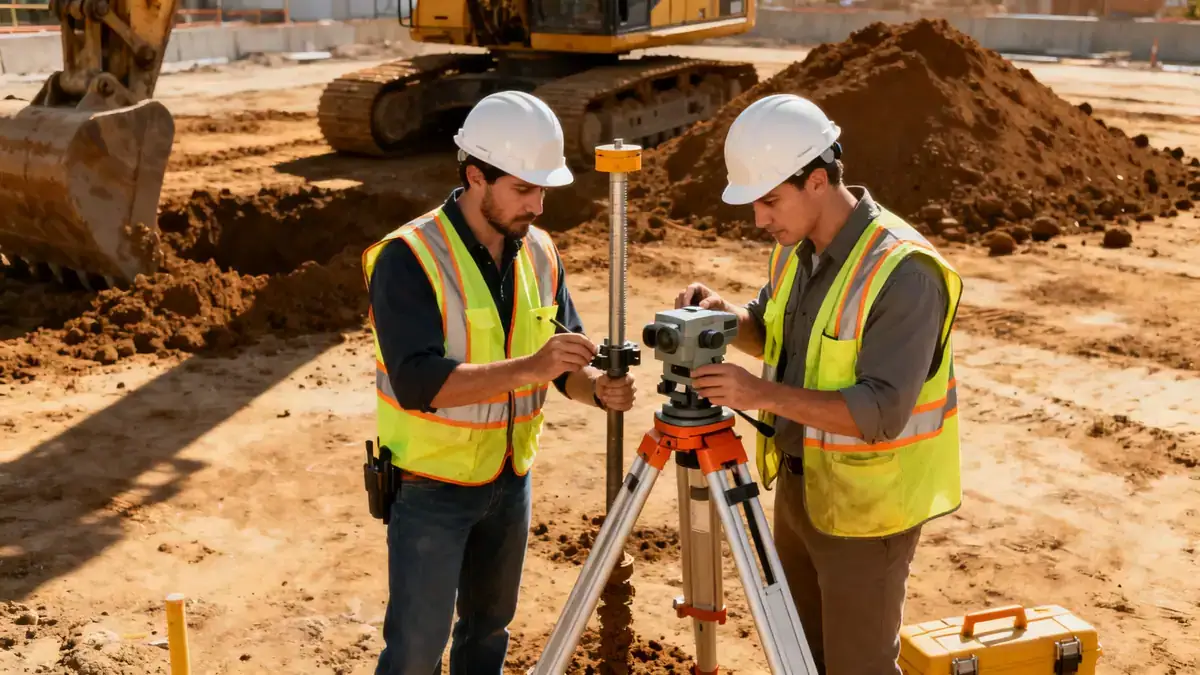
Methodology

Our approach to geotechnical engineering in Los Angeles integrates field exploration, laboratory testing, and analytical modeling. We begin with a review of existing geological maps and seismic hazard data, followed by a subsurface exploration program tailored to site conditions. Standard penetration tests (SPT) per ASTM D1586 are performed at 1.5 m intervals to obtain N60 values and soil samples. In sensitive areas, we deploy cone penetration testing (CPT) for continuous profiling. All samples are analyzed in our soil mechanics laboratory for index properties, strength, and consolidation characteristics. This data informs slope stability analyses and foundation designs that meet local building codes.
Reference Technical Parameters
| Parameter | Reference Value |
|---|---|
| Predominant soil type | Alluvial sands, silts, and clays with interbedded gravels |
| Maximum seismic acceleration (PGA) | 0.4g to 0.6g (Site Class D, per ASCE 7-16) |
| Typical groundwater level | 3 to 15 m below ground surface |
| Bedrock depth | 30 to 100+ m in basin areas; shallow in hills |
| Typical N60 range | 5 to 50 blows/ft, variable with depth and location |
Local Considerations — Los Angeles
Los Angeles presents diverse geotechnical challenges due to its complex geology. The Los Angeles Basin features deep alluvial deposits with variable groundwater levels, requiring careful assessment for liquefaction during seismic events. Hillside areas, such as the Santa Monica Mountains, are prone to landslides and require detailed slope stability studies. Downtown sites often encounter man-made fill and utility conflicts. Our team addresses these issues through site-specific investigations, including spt boring for soil profiling and advanced laboratory testing. We also consider the influence of active faults like the San Andreas and Raymond Faults, applying fault setback requirements per Alquist-Priolo Act.
Request a Quote
Our team reviews your project and issues an initial report at no cost.
Or write us directly at [email protected]
Services in Los Angeles
Locations covered in Los Angeles
Applicable Standards
- ASTM D1586 (Standard Penetration Test)
- ASCE 7-16 (Minimum Design Loads for Buildings)
- California Building Code (CBC) Chapter 18
- Alquist-Priolo Earthquake Fault Zoning Act
- City of Los Angeles Department of Building and Safety guidelines
Frequently Asked Questions
What are the typical soil conditions in Los Angeles?
Soils vary widely: alluvial sands and silts in the basin, colluvial soils in hills, and occasional clays. Groundwater is shallow near the coast and deeper inland. Liquefaction potential is high in saturated sandy zones, requiring site-specific testing.
Why is seismic hazard analysis critical in Los Angeles?
Los Angeles lies near active faults (San Andreas, San Jacinto, etc.). The California Building Code mandates site-specific seismic hazard assessments to determine ground motion parameters and soil amplification, ensuring structures withstand expected shaking.
Are geotechnical investigations mandatory for all projects in Los Angeles?
Yes, for most new construction and additions. The Los Angeles Department of Building and Safety requires a geotechnical report per CBC for buildings, retaining walls, and hillside developments to verify soil capacity and seismic safety.