Methodology
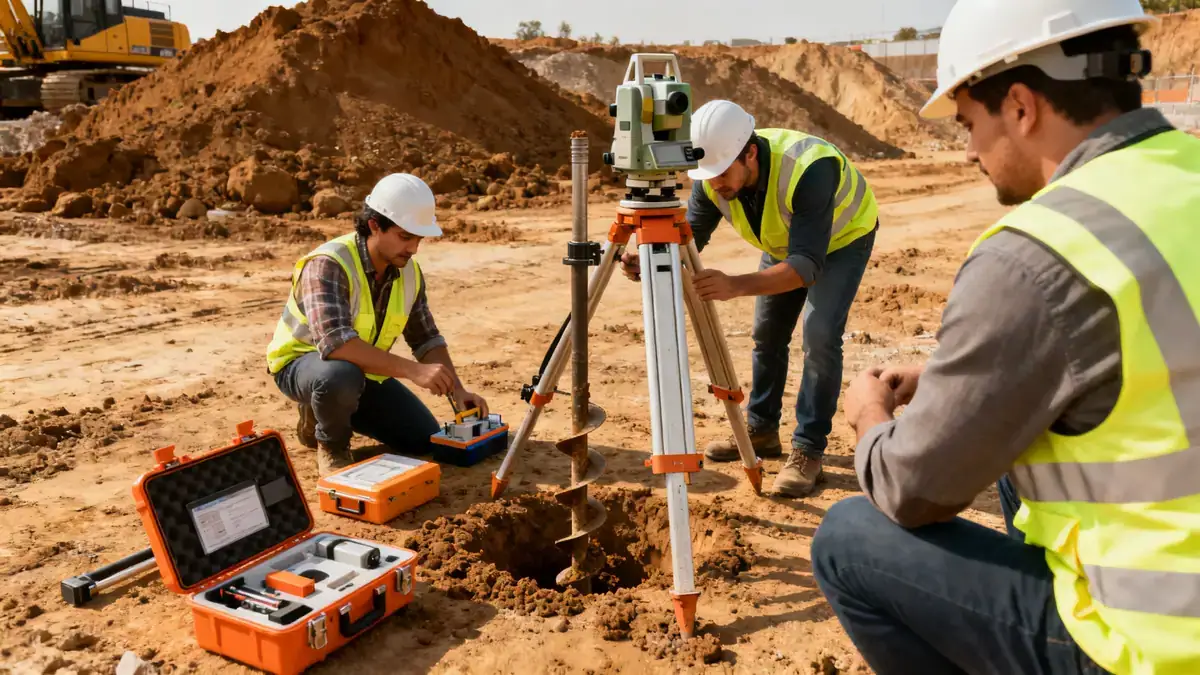
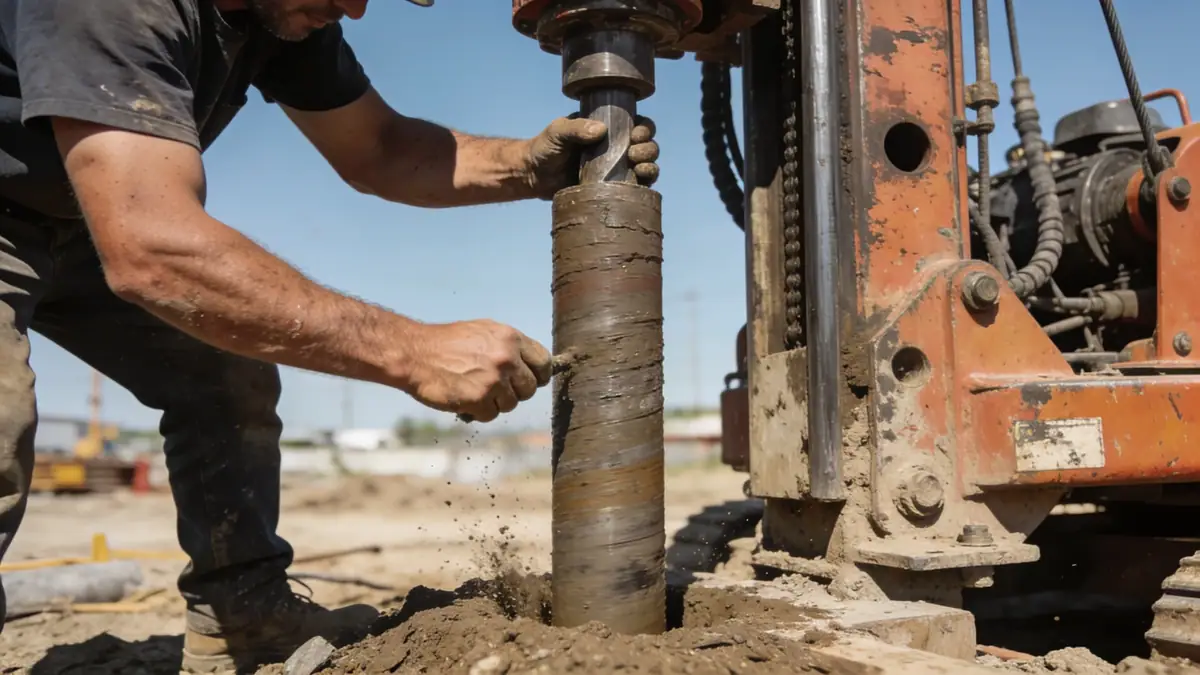
Our approach in Philadelphia begins with a comprehensive review of existing geological maps and historical records, followed by field exploration programs that include spt boring and advanced laboratory testing. We correlate standard penetration test (SPT) N-values with local soil behavior, using ASTM D1586 procedures to ensure consistency. Geophysical surveys supplement borehole data to map bedrock contours and groundwater levels. Our methodology emphasizes redundancy: multiple investigation points per site to capture spatial variability. All data is analyzed under the framework of applicable building codes and local regulations, producing actionable recommendations for foundation design, earthwork, and slope stability.
Reference Technical Parameters
| Parameter | Reference Value |
|---|---|
| Predominant soil type | Sand, silt, and clay mixtures with organic deposits in fill zones |
| Maximum seismic acceleration (PGA) | 0.15–0.20 g (ASCE 7-16, Site Class D) |
| Typical groundwater level | 3–8 ft below ground surface (varies seasonally) |
| Bedrock depth | 20–80 ft (Wissahickon schist and gneiss) |
| Typical N60 range | 5–30 blows/ft in native soils; 0–10 in fill |
Local Considerations — Philadelphia
Philadelphia’s geology varies markedly from the coastal plain along the Delaware River to the Piedmont uplands in the northwest. Historic industrial sites often contain uncontrolled fill, requiring careful characterization of contamination and settlement potential. The water table is shallow near the river, complicating excavations and below-grade construction. Seismic design follows ASCE 7-16, with site-specific response spectra recommended for critical facilities. Our team has extensive experience with deep foundations in the bedrock of Center City and with ground improvement in soft clays of South Philadelphia. For retaining wall design and slope stability, we incorporate local precipitation patterns and groundwater fluctuations. Learn more about our soil mechanics laboratory testing capabilities for site-specific parameters.
Request a Quote
Our team reviews your project and issues an initial report at no cost.
Or write us directly at [email protected]
Services in Philadelphia
Locations covered in Philadelphia
Applicable Standards
- ASTM D1586 (Standard Test Method for SPT)
- ASCE 7-16 (Minimum Design Loads for Buildings)
- Philadelphia Building Construction and Occupancy Code
- International Building Code (IBC) 2018
Frequently Asked Questions
What are the typical soil types found in Philadelphia?
Philadelphia’s soils range from sands and silts along the Delaware River to residual clays and weathered schist in the northwest. Urban fill, often containing brick and debris, is common in historic districts. Detailed subsurface exploration is essential to characterize variability.
How does seismic design apply to geotechnical engineering in Philadelphia?
Philadelphia is in a moderate seismic zone per ASCE 7-16. Site-specific ground motion analyses are required for certain structures. Geotechnical reports must include seismic site class determination and liquefaction potential assessment for projects with high occupancy.
Are geotechnical studies mandatory for construction in Philadelphia?
Yes, the Philadelphia Building Code requires a geotechnical investigation for most new buildings and major renovations. The report must address soil bearing capacity, groundwater, and seismic considerations to obtain a permit. Our firm prepares code-compliant documents for local review.