Methodology
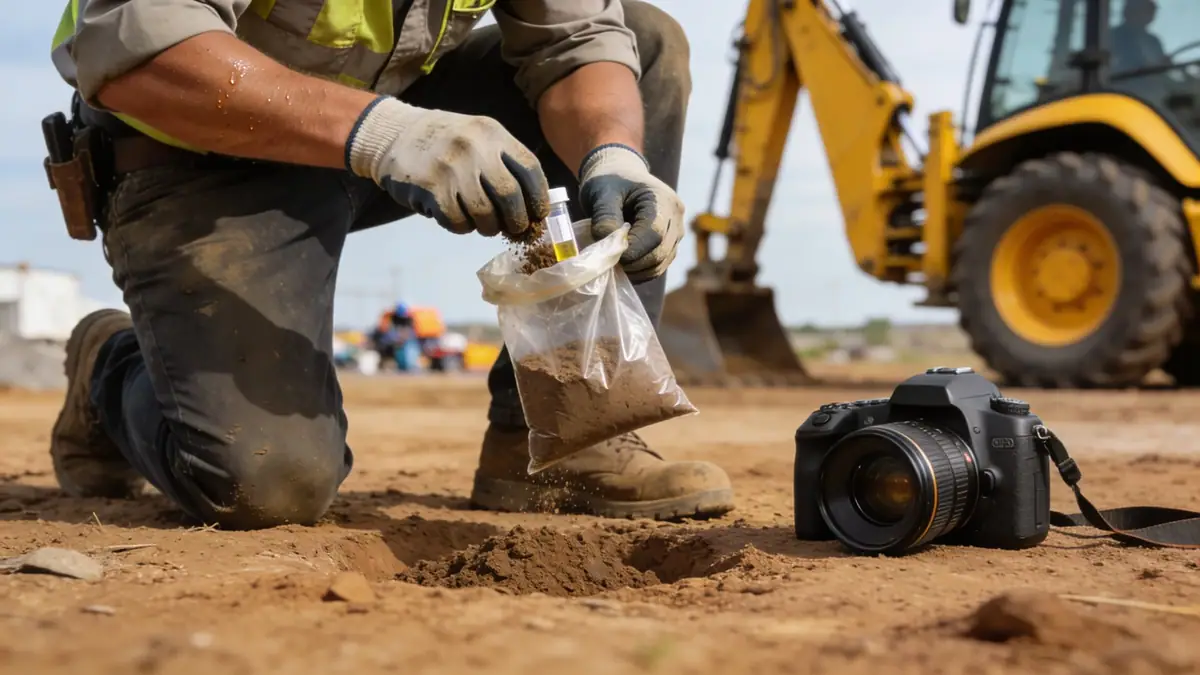
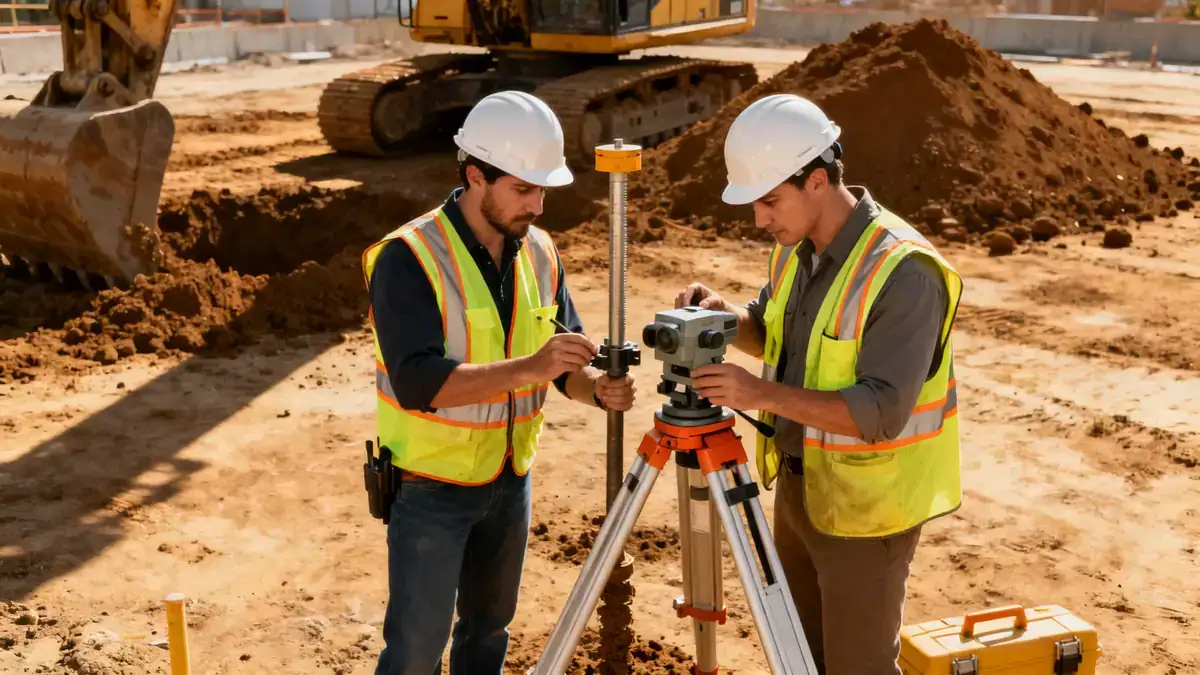
Our methodology in Miami begins with a thorough review of existing geological maps and nearby project data. We then execute a tailored field investigation program, including spt boring to standard penetration depths and continuous sampling using ASTM D1586. In our soil mechanics laboratory, we classify soils per the Unified Soil Classification System, perform moisture-density relations (ASTM D698), and assess shear strength through direct shear tests (ASTM D3080). For high-rise developments, we incorporate cone penetration testing (CPT) for continuous profiling. All data is synthesized into a geotechnical report that addresses foundation bearing capacity, settlement, and lateral earth pressures.
Reference Technical Parameters
| Parameter | Reference Value |
|---|---|
| Predominant soil type | Sands and limestone (Miami Limestone, Fort Thompson Formation) |
| Maximum seismic acceleration (PGA) | 0.15–0.20 g (ASCE 7-16) |
| Typical groundwater level | 1.5–3.0 m below ground surface |
| Bedrock depth | 3–15 m (variable, often shallow near coast) |
| Typical N60 range | 10–50 blows/0.3 m (sands); >50 in limestone |
Local Considerations — Miami
Miami's geology is dominated by the Miami Limestone, a porous oolitic limestone, overlain by sands and occasional organic soils. The shallow water table (often 1.5 m deep) requires dewatering considerations for excavations. Seismic hazard is moderate, with PGA up to 0.20 g per ASCE 7-16, necessitating liquefaction assessments in loose sands. Coastal areas may have fill or dredged materials, while inland sites encounter more competent limestone. Typical foundation solutions include spread footings on limestone or deep foundations where solution cavities exist. Our team addresses these factors in every slope stability and retaining wall design study.
Request a Quote
Our team reviews your project and issues an initial report at no cost.
Or write us directly at [email protected]
Services in Miami
Locations covered in Miami
Applicable Standards
- ASTM D1586 (Standard Penetration Test)
- ASCE 7-16 (Minimum Design Loads for Buildings)
- Florida Building Code (FBC) 2023
- ASTM D2487 (Unified Soil Classification System)
- ASTM D698 (Standard Proctor Compaction)
Frequently Asked Questions
What soil types are commonly found in Miami?
Miami soils primarily consist of sands and the Miami Limestone, a porous oolitic limestone. Near the coast, you may find fill or dredged sand, while inland areas have more competent limestone with occasional solution cavities.
Does Miami require seismic design for buildings?
Yes, Miami is in a moderate seismic zone per ASCE 7-16. The maximum considered earthquake spectral response acceleration (SDS) can reach 0.4 g. Geotechnical reports must include site-specific seismic hazard assessments, including liquefaction potential for loose sands.
Is a geotechnical study mandatory for construction in Miami?
The Florida Building Code requires a geotechnical investigation for most new structures, especially those with deep foundations or in areas with known soil variability. Local jurisdictions may also require reports for permitting, particularly for high-rises and coastal projects.