Methodology
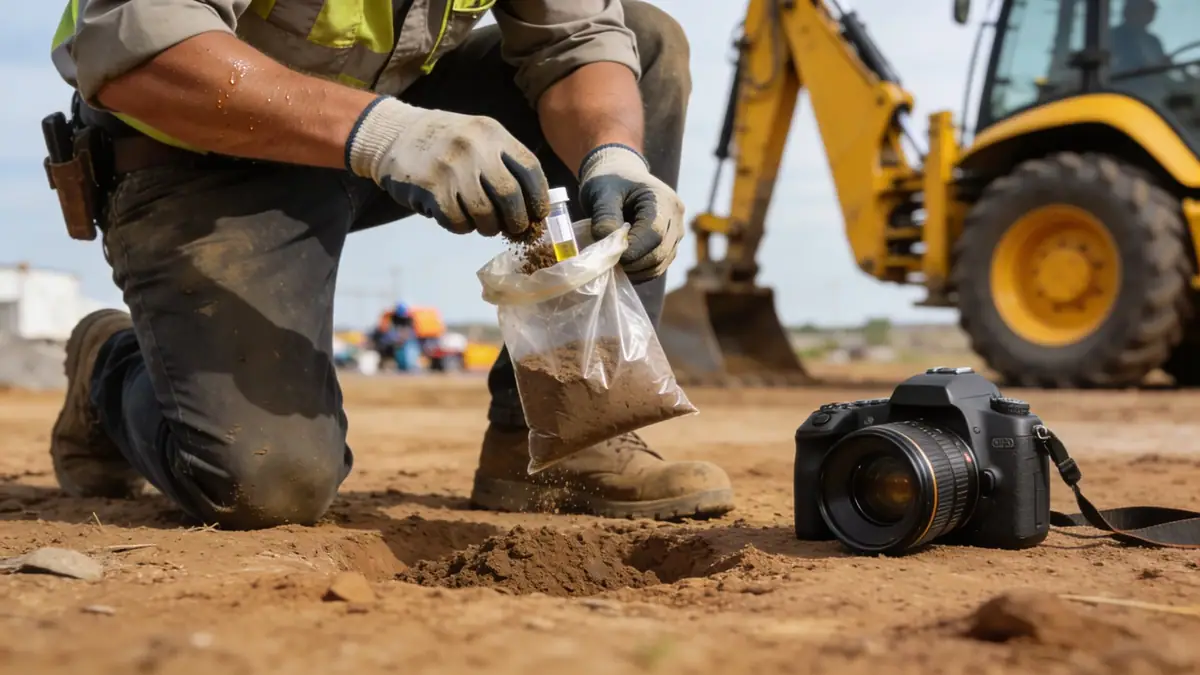
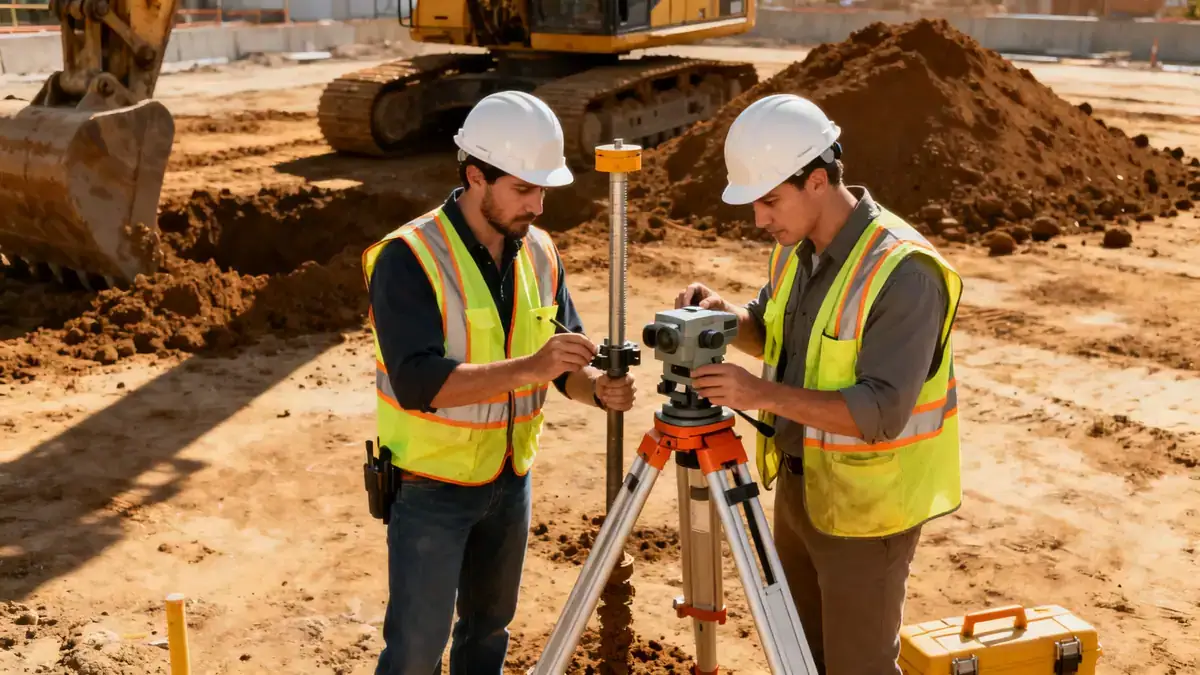
Our methodology for geotechnical engineering in Orlando begins with a thorough review of existing geological maps and historical data. We then conduct field investigations including spt boring at intervals prescribed by ASTM D1586, typically every 1.5 m to refusal or bedrock. Standard penetration tests provide N60 values, which we correlate with soil strength and liquefaction potential. Laboratory testing on disturbed and undisturbed samples follows ASTM standards for classification, strength, and compressibility. Our integrated approach ensures that all design parameters are calibrated to local conditions, delivering actionable recommendations for shallow and deep foundations, earthworks, and groundwater control.
Reference Technical Parameters
| Parameter | Reference Value |
|---|---|
| Predominant soil type | Sands (SP, SM) with interbedded clays (CL, CH) |
| Maximum seismic acceleration (PGA) | 0.10g to 0.15g (ASCE 7-16, Site Class D) |
| Typical groundwater level | 1.5 to 4.5 m below ground surface |
| Bedrock depth | 15 to 30 m (limestone of the Floridan aquifer) |
| Typical N60 range | 5 to 40 blows/0.3 m (variable with fines content) |
Local Considerations — Orlando
Orlando's geology is dominated by sandy soils overlying the Floridan limestone aquifer, with groundwater typically shallow (1.5–4.5 m). Seismic hazard is moderate (PGA 0.10–0.15g per ASCE 7-16), requiring liquefaction assessments in saturated loose sands. Downtown and older neighborhoods may have undocumented fill, while new developments on the periphery often encounter compressible clays. Our team integrates these factors into every geotechnical engineering in Orlando project, referencing local building codes and ASCE standards. For specialized analyses such as slope stability, we tailor our approach to the specific soil stratigraphy and hydrology encountered.
Request a Quote
Our team reviews your project and issues an initial report at no cost.
Or write us directly at [email protected]
Services in Orlando
Applicable Standards
- ASTM D1586 (Standard Penetration Test)
- ASTM D2487 (Unified Soil Classification System)
- ASCE 7-16 (Minimum Design Loads and Associated Criteria for Buildings and Other Structures)
- Florida Building Code (FBC) – 2023
- ASTM D6913 (Particle-Size Analysis)
- ASTM D698 (Standard Proctor Compaction Test)
Frequently Asked Questions
What types of soil are commonly found in Orlando, Florida?
Orlando predominantly features sandy soils (SP, SM) with interbedded clay layers (CL, CH). The area is underlain by limestone bedrock of the Floridan aquifer system. Soil variability is common, with loose sands near the surface and denser deposits at depth.
Is seismic design required for geotechnical engineering in Orlando?
Yes, per the Florida Building Code and ASCE 7-16, Orlando falls within Seismic Design Category B to C, with peak ground accelerations (PGA) of 0.10g to 0.15g. Liquefaction potential must be evaluated for sites with saturated loose sands.
Are geotechnical studies mandatory for construction in Orlando?
For most commercial and multi-family residential projects, a geotechnical investigation is required by the Florida Building Code. Single-family homes may not be mandated, but a site-specific study is strongly recommended to address soil variability and groundwater issues.