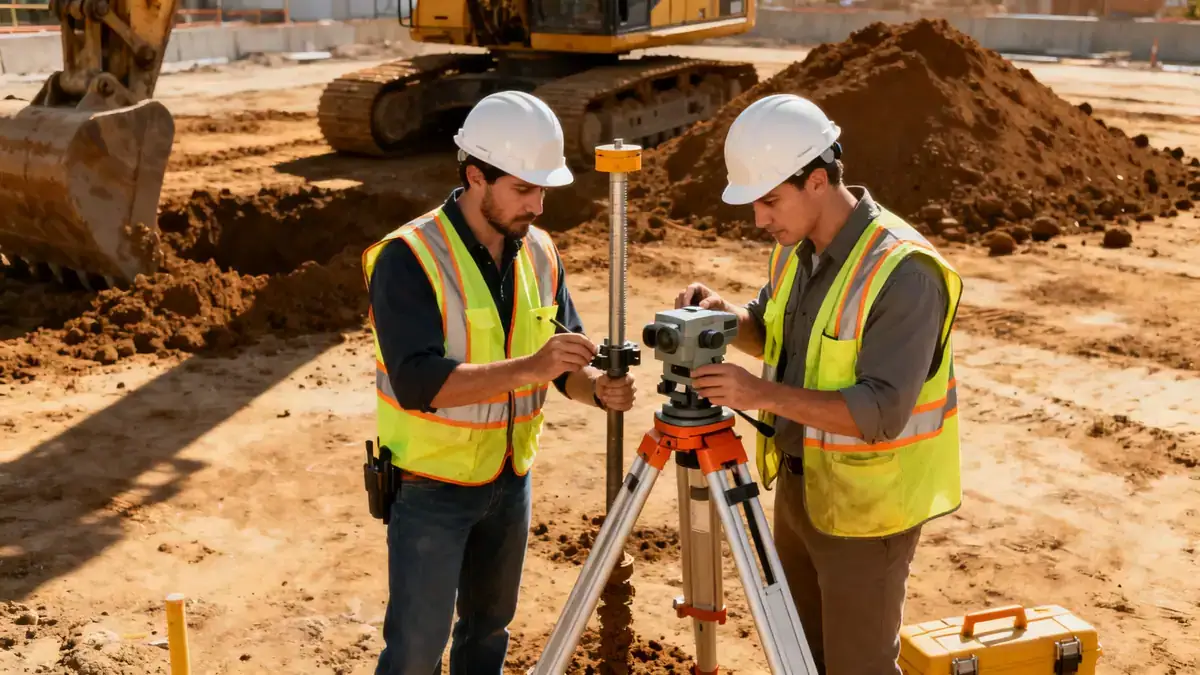
Methodology
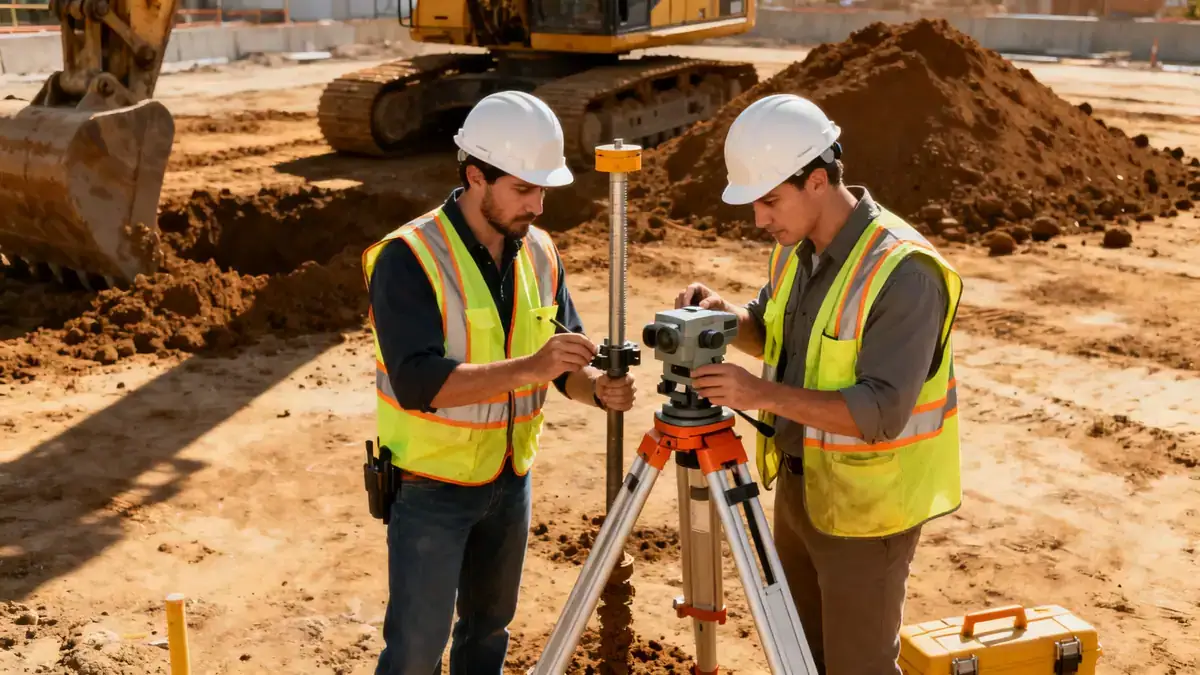
Our SPT boring methodology follows ASTM D1586-18 standards. A 63.5 kg (140 lb) hammer is dropped from a height of 762 mm (30 in) to drive a split-spoon sampler 450 mm into the soil. The blow count (N-value) is recorded for each 150 mm interval, with the sum of the last two intervals reported as the standard penetration resistance. We use hydraulic or automatic trip hammers with energy calibration to ensure repeatability. Borings extend to depths of 30 m or more, depending on project requirements. Soil samples are retrieved for laboratory classification and moisture content testing. Our rigs are equipped with safety cats and comply with OSHA regulations. For advanced analysis, we integrate SPT data with Soil Mechanics Laboratory testing.
Reference Technical Parameters
| Parameter | Reference Value |
|---|---|
| Hammer Weight | 63.5 kg (140 lb) |
| Drop Height | 762 mm (30 in) |
| Sampler Diameter | 50.8 mm (2 in) OD, 34.9 mm (1.375 in) ID |
| Penetration Depth | 450 mm (18 in) total; 150 mm intervals |
| N-Value Range | 0 (very loose) to >50 (very dense) |
Local Considerations — USA
SPT boring practices must adapt to regional geology. In seismic zones such as California (e.g., Anaheim, Los Angeles, San Francisco), SPT data is essential for liquefaction assessment per ASCE 7-22. In the Pacific Northwest (e.g., Seattle, Portland), dense glacial soils require heavy-duty rigs. In the Gulf Coast (e.g., Houston, New Orleans), deep soft clays necessitate extended boring depths. Our firm has performed SPT borings in over 100 cities, including Akron, Albuquerque, Allentown, and Anaheim. We tailor equipment and sampling intervals to local conditions, ensuring compliance with state regulations and project-specific geotechnical parameters.
Request a Quote
Our team reviews your project and issues an initial report at no cost.
Or write us directly at [email protected]
Applicable Standards
- ASTM D1586-18
- ASCE 7-22
- OSHA 29 CFR 1926
- AASHTO T 206
Frequently Asked Questions
What is the SPT N-value and how is it used?
The N-value is the number of hammer blows required to drive the sampler 300 mm (12 in) after an initial 150 mm seating drive. It correlates with soil density, friction angle, and bearing capacity. Engineers use N-values to design shallow and deep foundations, evaluate liquefaction potential, and estimate settlement.
What depth can SPT boring typically reach?
Standard SPT borings can reach depths of 30 m (100 ft) with conventional wireline rigs. For deeper investigations, we employ mud rotary or casing advancement techniques to maintain borehole stability, extending depths to 60 m or more.
How is SPT boring different from other soil sampling methods?
SPT provides both a soil sample and a measure of in-situ resistance (N-value). Unlike Shelby tube sampling, which recovers undisturbed samples but no strength index, SPT gives dynamic penetration resistance. It is preferred for granular soils and liquefaction analysis.
How much does SPT boring cost in USA?
Costs vary by depth, accessibility, and number of tests. A typical SPT boring ranges from $550 to $760 per test in 2026, including mobilization for short distances. Additional charges apply for remote locations, night work, or multiple borings. We recommend requesting a project-specific quotation.