Methodology
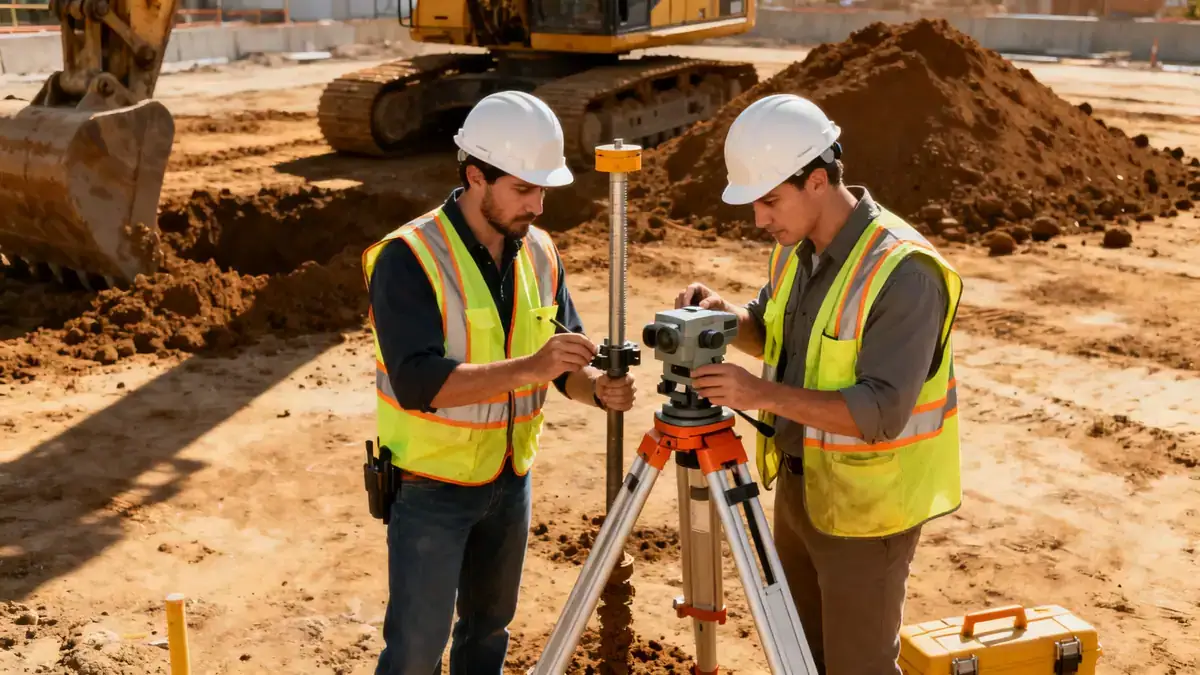
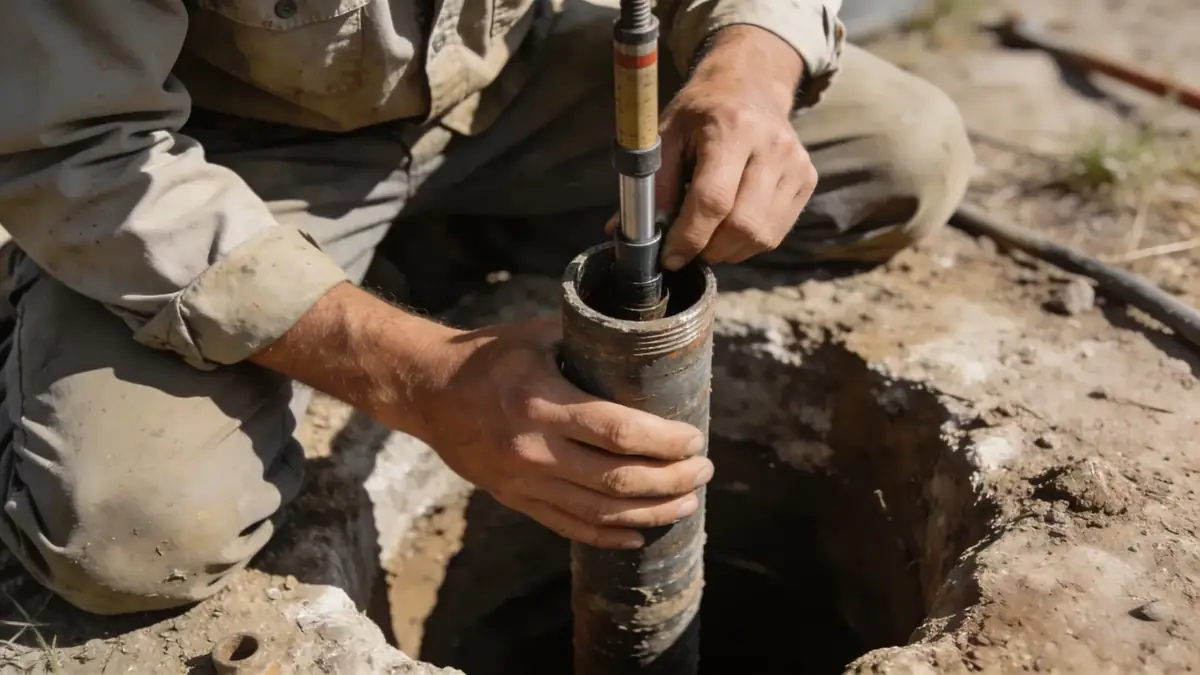
Our geotechnical engineering methodology in Allentown begins with a thorough review of existing geological maps and previous project records. We then conduct field investigations using methods such as spt boring to obtain soil samples at regular intervals, typically every 1.5 meters in accordance with ASTM D1586. Laboratory testing on recovered samples determines index properties, strength, and consolidation characteristics. All data are synthesized into a geotechnical report that addresses foundation design, slope stability, and groundwater control. This systematic approach ensures that our recommendations are tailored to the specific conditions of each site in Allentown.
Reference Technical Parameters
| Parameter | Reference Value |
|---|---|
| Predominant soil type | Glacial till and alluvial deposits (silty sand, gravel, clay) |
| Maximum seismic acceleration (PGA) | 0.15g (ASCE 7, Site Class C) |
| Typical groundwater level | 3–6 m below ground surface |
| Bedrock depth | 5–30 m, generally sedimentary (limestone, dolomite, shale) |
| Typical N60 range (SPT) | 10–50 blows/ft, depending on stratum |
Local Considerations — Allentown
Allentown’s geology is characterized by glacial till and alluvial deposits overlying folded and faulted sedimentary bedrock. The groundwater table is generally shallow, requiring careful dewatering plans for excavations. Seismic hazard is moderate, with a mapped peak ground acceleration of 0.15g (ASCE 7). The city’s older districts, such as Center City, often feature fill materials from historical industrial activities, while newer developments on the outskirts encounter undisturbed glacial soils. Typical challenges include variable bedrock depth and the presence of karst features in limestone areas. For projects requiring a broader regional context, our geotechnical engineering en Philadelphia office provides additional support for complex assignments.
Request a Quote
Our team reviews your project and issues an initial report at no cost.
Or write us directly at [email protected]
Services in Allentown
Applicable Standards
- ASTM D1586 (Standard Test Method for Standard Penetration Test)
- ASCE 7 (Minimum Design Loads and Associated Criteria for Buildings)
- ASTM D2487 (Standard Practice for Classification of Soils for Engineering Purposes)
- Pennsylvania Department of Transportation (PennDOT) geotechnical standards
Frequently Asked Questions
What types of soil are commonly found in Allentown?
Allentown’s subsurface typically consists of glacial till (silty sand, gravel, and clay) overlying sedimentary bedrock such as limestone, dolomite, and shale. Alluvial deposits are present along streams. The soil profile can vary significantly over short distances, making site-specific investigations essential.
Is seismic design required for projects in Allentown?
Yes, Allentown is in a moderate seismic zone. ASCE 7 maps indicate a peak ground acceleration of 0.15g for a 2% probability of exceedance in 50 years. Structures must be designed according to the seismic provisions of the International Building Code, which references ASCE 7.
Are geotechnical studies mandatory for construction in Allentown?
While not always legally required for all projects, most municipalities in the Lehigh Valley, including Allentown, recommend or require geotechnical investigations for commercial and multi-story residential buildings. Lenders and insurers often mandate such studies to mitigate risk.