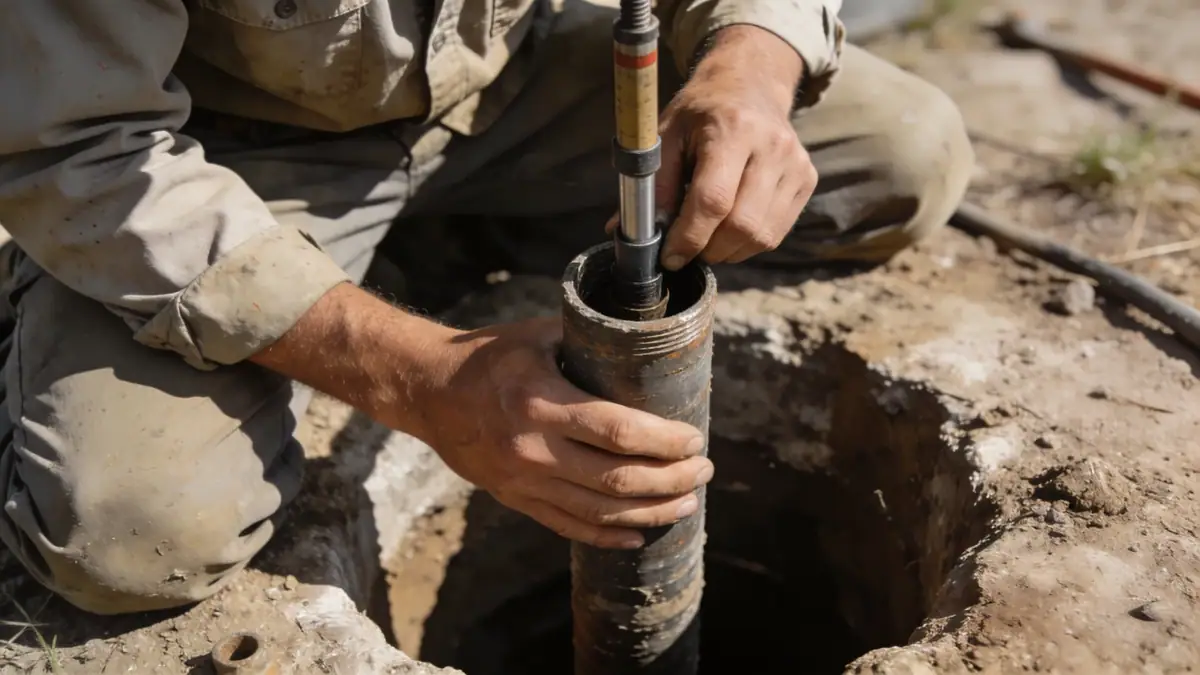
Methodology
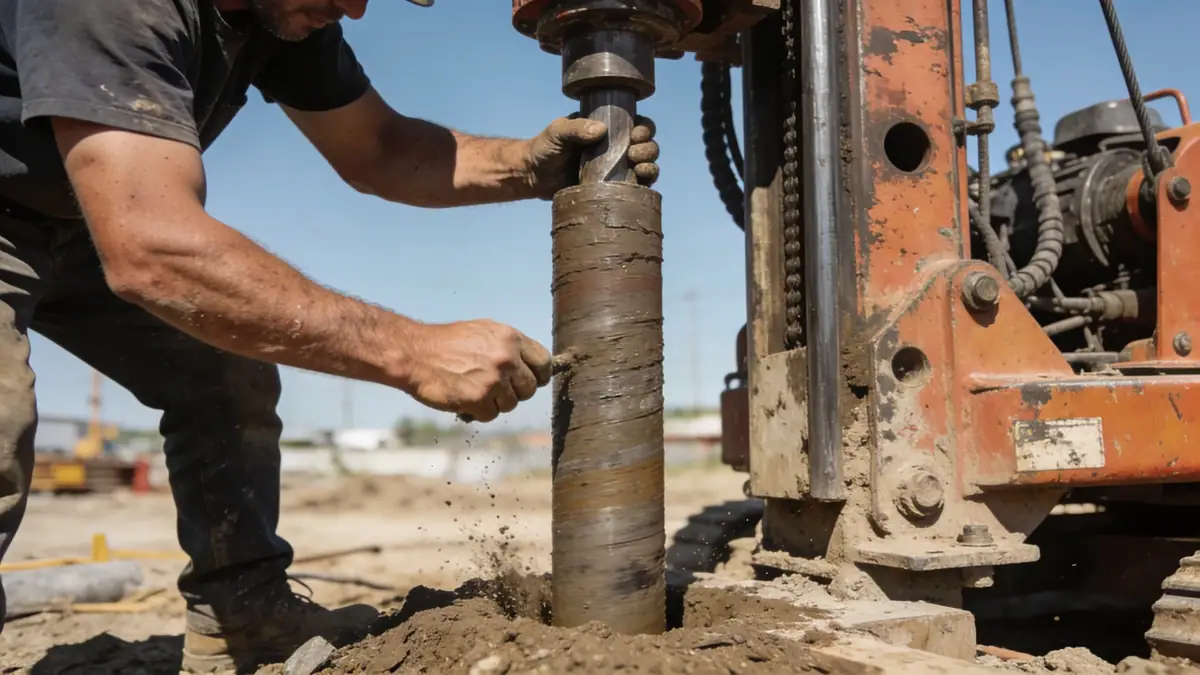
Our geotechnical approach in Denver begins with a thorough review of existing geological maps and subsurface data. We then conduct site-specific field investigations, including spt boring to obtain soil samples and measure N-values, as well as cone penetration testing (CPT) for continuous stratigraphic profiling. Laboratory testing on recovered samples follows ASTM standards, such as ASTM D1586 for SPT and ASTM D4318 for Atterberg limits. Our methodology integrates these findings with site-specific seismic hazard analysis per ASCE 7 and local building codes, providing a comprehensive understanding of soil behavior under static and dynamic loading. This systematic process ensures that our recommendations are grounded in verifiable data and local expertise.
Reference Technical Parameters
| Parameter | Reference Value |
|---|---|
| Predominant soil type | Silty clay and clayey sand (Denver Formation) |
| Maximum seismic acceleration (PGA) | 0.2g to 0.3g (ASCE 7, Site Class D) |
| Typical groundwater level | 10 to 25 feet below ground surface |
| Bedrock depth | 20 to 80 feet (Denver Formation) |
| Typical N60 range (silty clay) | 10 to 30 blows per foot |
Local Considerations — Denver
Denver's geology is dominated by the Denver Formation, a sequence of interbedded claystones, sandstones, and siltstones, often overlain by Quaternary alluvium in river valleys. Expansive clay soils are common in the eastern plains, while the foothills feature colluvial and residual soils over bedrock. Seismic design is critical, as Denver lies in a moderate seismic zone with PGA values up to 0.3g. The Denver Building Code references ASCE 7 for seismic loads, and the Colorado Geological Survey provides site-specific hazard maps. Typical projects require shallow foundations on competent claystone or deep foundations through soft clays. Our team integrates these factors into cost-effective designs, including slope stability analyses for hillside developments.
Request a Quote
Our team reviews your project and issues an initial report at no cost.
Or write us directly at [email protected]
Services in Denver
Locations covered in Denver
Applicable Standards
- ASTM D1586 (Standard Test Method for SPT)
- ASCE 7 (Minimum Design Loads for Buildings and Other Structures)
- Denver Building Code (Chapter 18, Soils and Foundations)
- Colorado Geological Survey guidelines
- ASTM D4318 (Atterberg Limits)
Frequently Asked Questions
What are the typical soil conditions in Denver?
Denver's soils consist mainly of the Denver Formation, with claystone, sandstone, and siltstone. In valleys, alluvial sands and gravels are common. Expansive clays are prevalent in the eastern area, requiring careful foundation design to mitigate swelling and shrinkage.
Does Denver have seismic design requirements?
Yes, Denver is in a moderate seismic zone. The Denver Building Code requires seismic design per ASCE 7, with peak ground accelerations of 0.2g to 0.3g depending on site class. Site-specific response spectra may be needed for critical facilities.
Are geotechnical investigations mandatory for construction in Denver?
For most commercial and multi-family residential projects, a geotechnical investigation is required by the Denver Building Code. Single-family homes may be exempt, but a geotechnical report is recommended to identify potential issues such as expansive soils or high groundwater.