Methodology
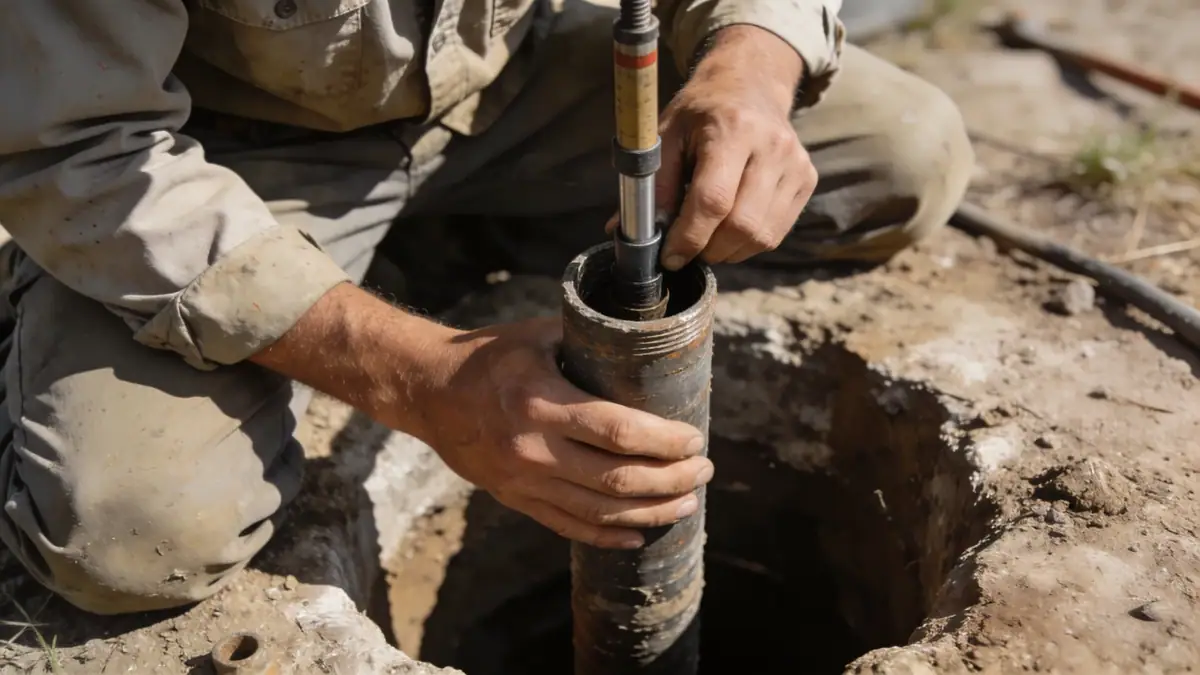
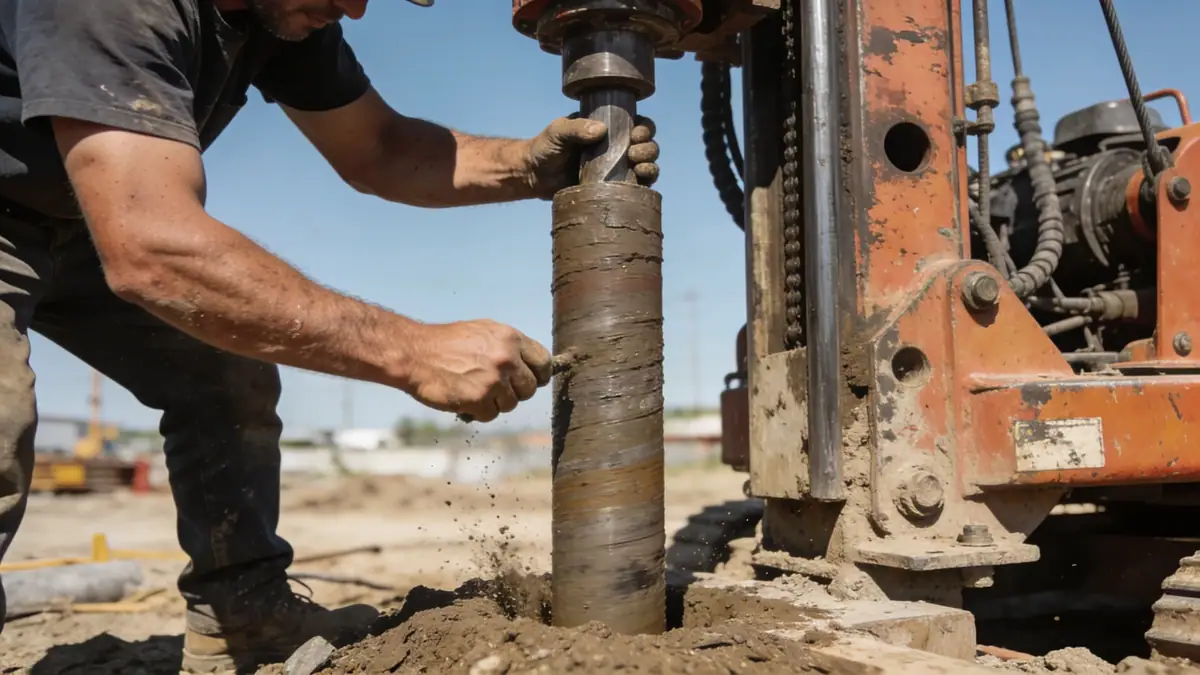
Our methodology in Cheyenne begins with a comprehensive site reconnaissance to evaluate topography, drainage, and existing structures. We then employ a combination of subsurface exploration techniques, including spt boring to obtain disturbed samples and measure standard penetration resistance (N-value) in accordance with ASTM D1586. Soil samples are subsequently analyzed in our soil mechanics laboratory to determine index properties, strength parameters, and consolidation characteristics. For projects with significant lateral earth pressures or slope stability concerns, we integrate advanced field testing and numerical modeling. This systematic approach ensures that our geotechnical recommendations are based on reliable data, mitigating risks associated with variable subsurface conditions across Cheyenne.
Reference Technical Parameters
| Parameter | Reference Value |
|---|---|
| Predominant soil type | Clay and claystone (Laramie Formation) with sand and gravel lenses |
| Maximum seismic acceleration (PGA) | 0.10 g to 0.14 g (ASCE 7-16, Site Class D) |
| Typical groundwater level | 3 to 8 meters below ground surface |
| Bedrock depth | 5 to 15 meters (Fox Hills Sandstone) |
| Typical N60 range (SPT) | 5 to 25 blows per 0.3 m (clayey soils); 20 to 50 (granular soils) |
Local Considerations — Cheyenne
Cheyenne's subsurface is characterized by the Laramie Formation, consisting of interbedded claystone, siltstone, and sandstone, with variable thicknesses of colluvium and alluvium in valley areas. The shallow groundwater table can complicate excavations, requiring dewatering considerations. Seismic design parameters, such as PGA of 0.10–0.14 g per ASCE 7-16, are moderate but critical for building codes. Expansive clay soils pose risks for slab-on-grade foundations, necessitating soil treatment or deep foundations in some neighborhoods. Our team integrates these local factors into every analysis, referencing our geotechnical engineering en Denver expertise for regional consistency.
Request a Quote
Our team reviews your project and issues an initial report at no cost.
Or write us directly at [email protected]
Services in Cheyenne
Applicable Standards
- ASTM D1586 – Standard Test Method for Standard Penetration Test (SPT)
- ASCE 7-16 – Minimum Design Loads and Associated Criteria for Buildings and Other Structures
- Wyoming State Building Code (IBC 2021 with amendments)
- ASTM D2487 – Classification of Soils for Engineering Purposes (Unified Soil Classification System)
Frequently Asked Questions
What are the predominant soil types in Cheyenne for foundation design?
Cheyenne's soils are primarily clay and claystone from the Laramie Formation, with local sand and gravel lenses. These expansive clays require careful evaluation of shrink-swell potential and may necessitate soil modification or deep foundations to mitigate differential movement.
Is a geotechnical investigation mandatory for residential construction in Cheyenne?
While not always mandatory for single-family homes, a geotechnical investigation is strongly recommended due to expansive soils and frost depth considerations (up to 1.2 m). Many local lenders and building officials require a geotechnical report for new subdivisions or custom homes.
How does seismic activity in Cheyenne affect foundation design?
Cheyenne has moderate seismic hazard (PGA 0.10–0.14 g) per ASCE 7-16. Site-specific response analysis is recommended for critical structures, especially on soft soils. Liquefaction potential is low due to high clay content, but lateral spreading near slopes should be evaluated.