Methodology
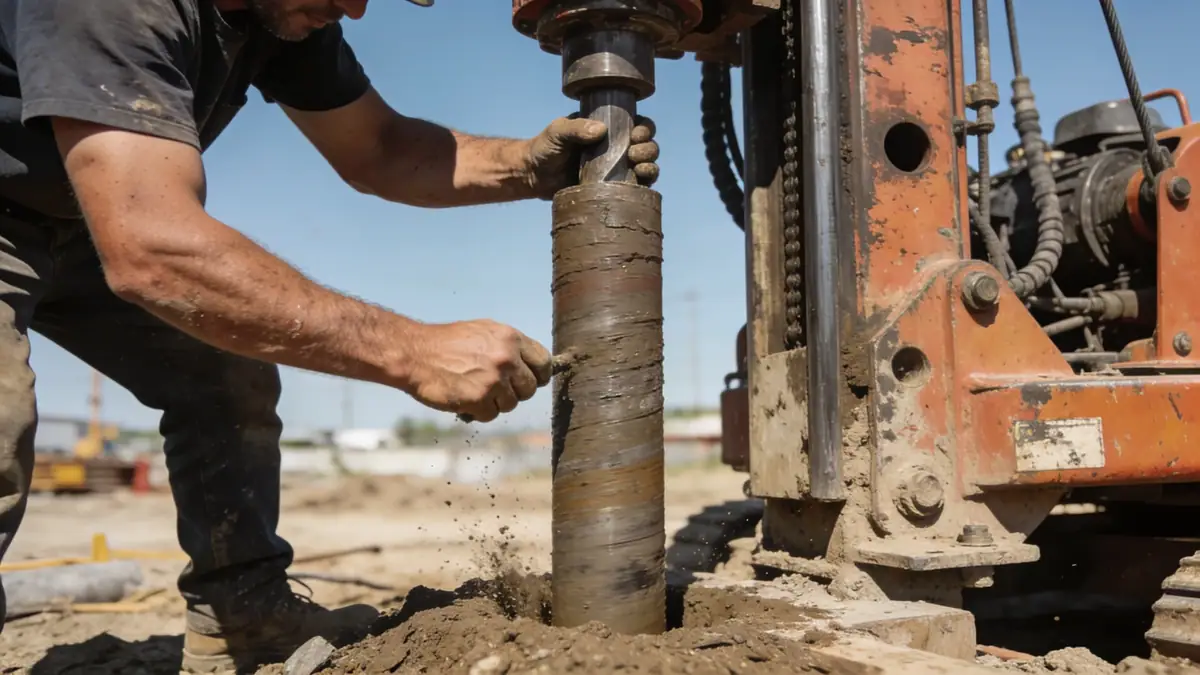
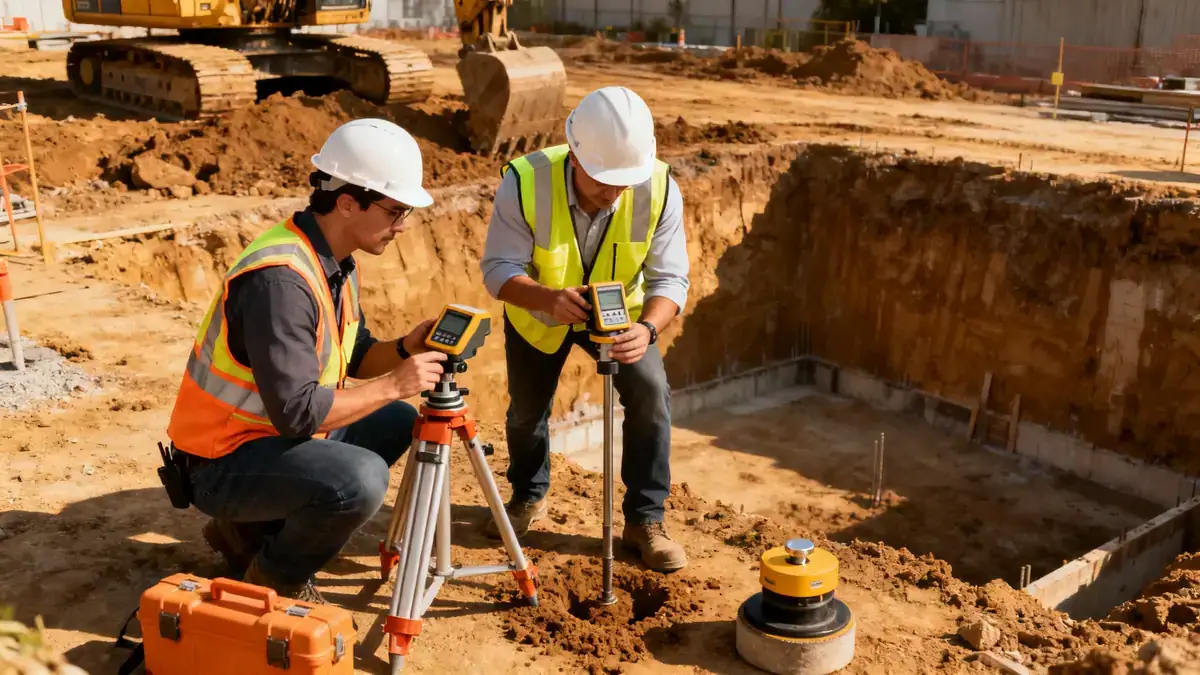
Our methodology in Phoenix begins with a thorough review of existing geological maps and records. We then perform field investigations including spt boring to characterize soil strata and groundwater conditions. Laboratory tests on recovered samples determine index properties, strength, and compressibility. Seismic hazard analysis follows ASCE 7-22 guidelines to establish design ground motions. All data is integrated into a geotechnical report with foundation recommendations, settlement estimates, and construction considerations. This systematic approach ensures compliance with local regulations and project-specific requirements, minimizing risk during construction.
Reference Technical Parameters
| Parameter | Reference Value |
|---|---|
| Predominant soil type | Silty sands (SM) and low-plasticity clays (CL) |
| Maximum seismic acceleration (PGA) | 0.33g (ASCE 7-22, Site Class D) |
| Typical groundwater level | 10–25 ft below surface (varies seasonally) |
| Bedrock depth | >500 ft (deep alluvial basin) |
| Typical N60 range | 5–40 blows/ft (variable with depth) |
Local Considerations — Phoenix
Phoenix lies within the Basin and Range Province, characterized by deep alluvial deposits from the Salt and Gila Rivers. Soils are predominantly silty sands and clays with high variability over short distances. Groundwater levels fluctuate between 10 and 25 feet, posing challenges for excavations and below-grade structures. Seismic hazard is moderate, with peak ground accelerations up to 0.33g per ASCE 7-22. In older downtown areas, fill and buried utilities complicate soil mechanics laboratory interpretations. New master-planned communities on the urban fringe often encounter collapsible soils, requiring specialized testing to assess settlement potential. Our firm's local experience ensures accurate characterization of these conditions.
Request a Quote
Our team reviews your project and issues an initial report at no cost.
Or write us directly at [email protected]
Services in Phoenix
Locations covered in Phoenix
Applicable Standards
- ASCE 7-22 (Minimum Design Loads for Buildings and Other Structures)
- IBC 2021 (International Building Code)
- ASTM D1586 (Standard Test Method for Standard Penetration Test (SPT) and Split-Barrel Sampling of Soils)
- ASTM D2487 (Standard Practice for Classification of Soils for Engineering Purposes (Unified Soil Classification System))
Frequently Asked Questions
What are the typical soil types found in Phoenix?
Phoenix soils are predominantly alluvial deposits consisting of silty sands (SM) and low-plasticity clays (CL), with occasional gravel layers. These soils are often loose near the surface and become denser with depth, but variability is high due to ancient river channels.
Is seismic design required for buildings in Phoenix?
Yes, Phoenix is in a moderate seismic zone per the IBC. ASCE 7-22 specifies a maximum considered earthquake (MCE) with peak ground acceleration of about 0.33g for Site Class D. Site-specific response spectra may be required for important structures.
Are geotechnical investigations mandatory for construction in Phoenix?
While not always required for small residential projects, most commercial and multi-family developments mandate a geotechnical report per IBC and local building departments. Lenders and insurers also often require subsurface investigations to mitigate risk.