Methodology
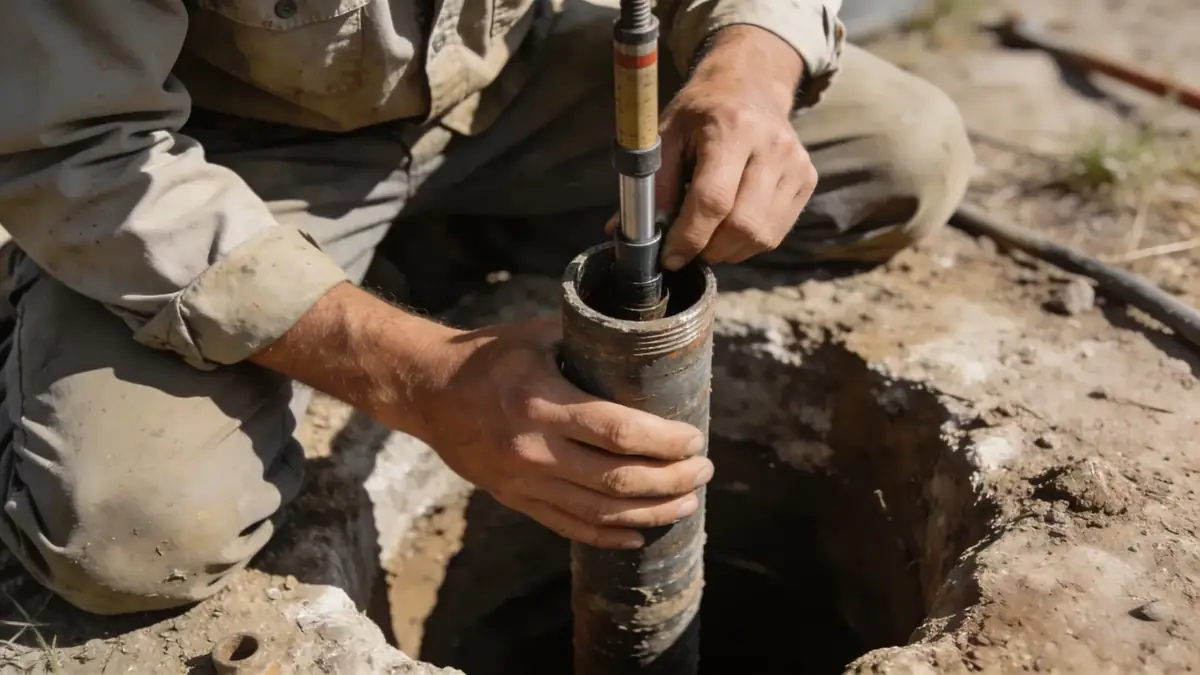
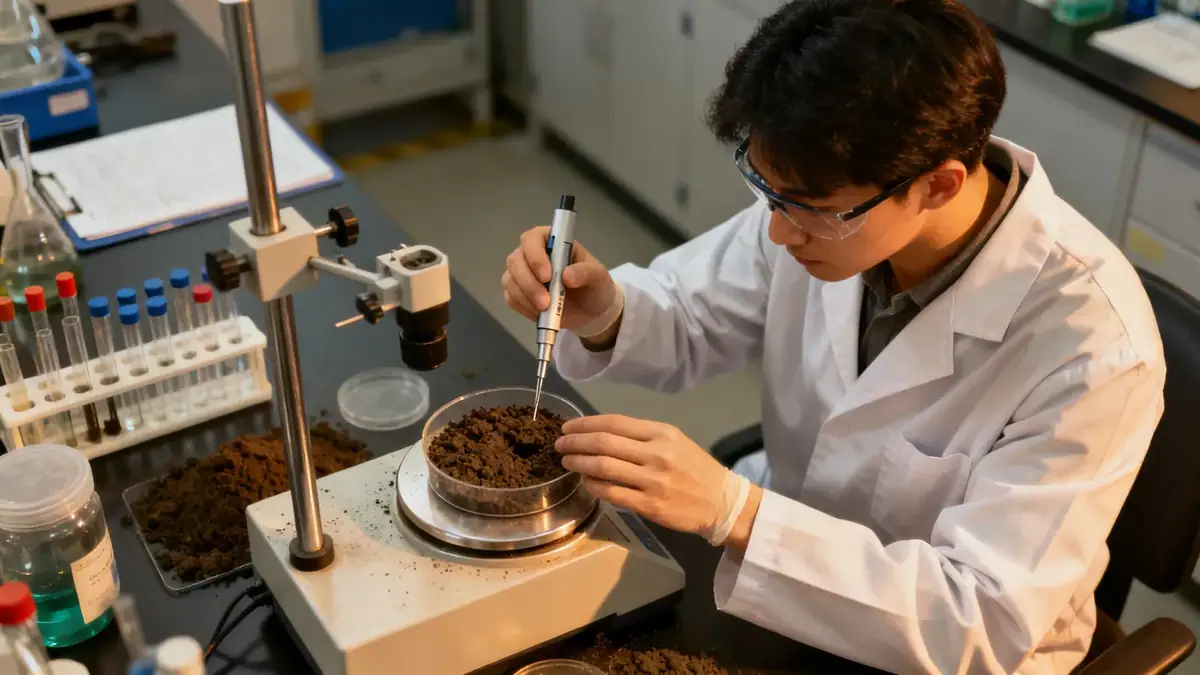
Our methodology for geotechnical investigations in El Paso follows ASTM standards and local building codes. We begin with a thorough review of existing geologic maps and subsurface data. Field exploration typically includes spt boring at intervals of 1.5 to 3 meters to depths of 10 to 30 meters, depending on the project. Standard Penetration Tests (ASTM D1586) are conducted to obtain N-values and undisturbed samples. Laboratory testing on recovered samples includes classification, moisture content, Atterberg limits, and unconfined compressive strength. For expansive soil sites, we perform free swell and swell pressure tests. Our reports provide foundation recommendations, seismic site classification, and mitigation measures for collapsible or heaving soils.
Reference Technical Parameters
| Parameter | Reference Value |
|---|---|
| Predominant soil type | Alluvial sands, silts, and clays with caliche layers |
| Maximum seismic acceleration (PGA) | 0.4g (ASCE 7-16, Seismic Design Category D) |
| Typical groundwater level | 3–15 m below ground surface, varies seasonally |
| Bedrock depth | 30–100 m, typically rhyolite or limestone |
| Typical N60 range (SPT) | 5–30 blows/ft in upper 10 m |
Local Considerations — El Paso
El Paso's arid climate leads to significant soil desiccation, causing expansive clays to shrink and crack, which can damage lightly loaded foundations. The Rio Grande alluvium contains loose sands that are susceptible to liquefaction under seismic loading. Downtown and older neighborhoods often have undocumented fill from historical construction, requiring careful investigation. Our team has extensive experience with the El Paso Building Code, which references the International Building Code with local amendments. For projects near the Franklin Mountains, we assess rockfall hazards and differential bedrock weathering. Interbedded caliche layers can pose drilling difficulties and affect bearing capacity. We collaborate closely with local geotechnical engineers and maintain a soil mechanics laboratory to perform site-specific tests for every project.
Request a Quote
Our team reviews your project and issues an initial report at no cost.
Or write us directly at [email protected]
Services in El Paso
Applicable Standards
- ASTM D1586 (Standard Penetration Test)
- ASCE 7-16 (Minimum Design Loads for Buildings)
- International Building Code (IBC) with El Paso amendments
- ASTM D2487 (Unified Soil Classification System)
- ASTM D3080 (Direct Shear Test)
Frequently Asked Questions
What are the predominant soil types in El Paso?
The predominant soils are alluvial sands, silts, and clays deposited by the Rio Grande, along with caliche layers. Expansive clays are common in the upper 3–6 meters, while loose sands may be found at depth.
What seismic design criteria apply in El Paso?
El Paso is in Seismic Design Category D per ASCE 7-16, with a maximum considered earthquake spectral response acceleration of 0.4g. Site-specific seismic analysis is often required for essential facilities and large structures.
Are geotechnical studies mandatory for all construction in El Paso?
The El Paso Building Code requires a geotechnical investigation for most new buildings, additions over 100 square meters, and any structure in areas with known soil hazards such as expansive soils or liquefaction potential.