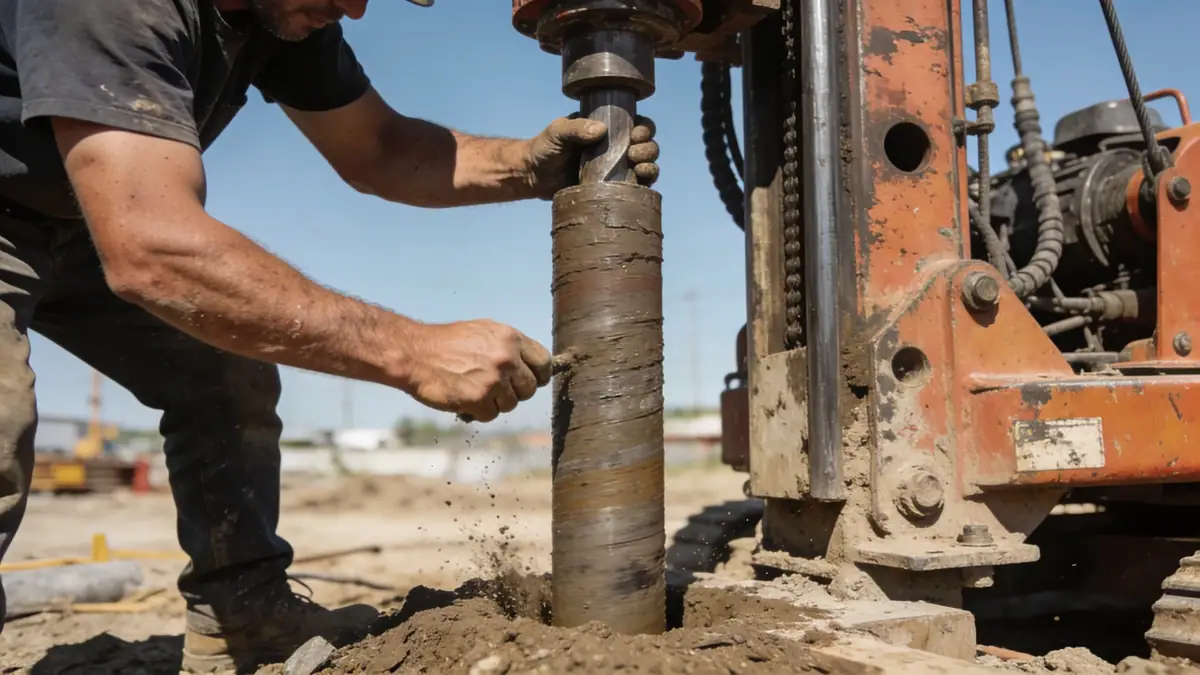
Methodology
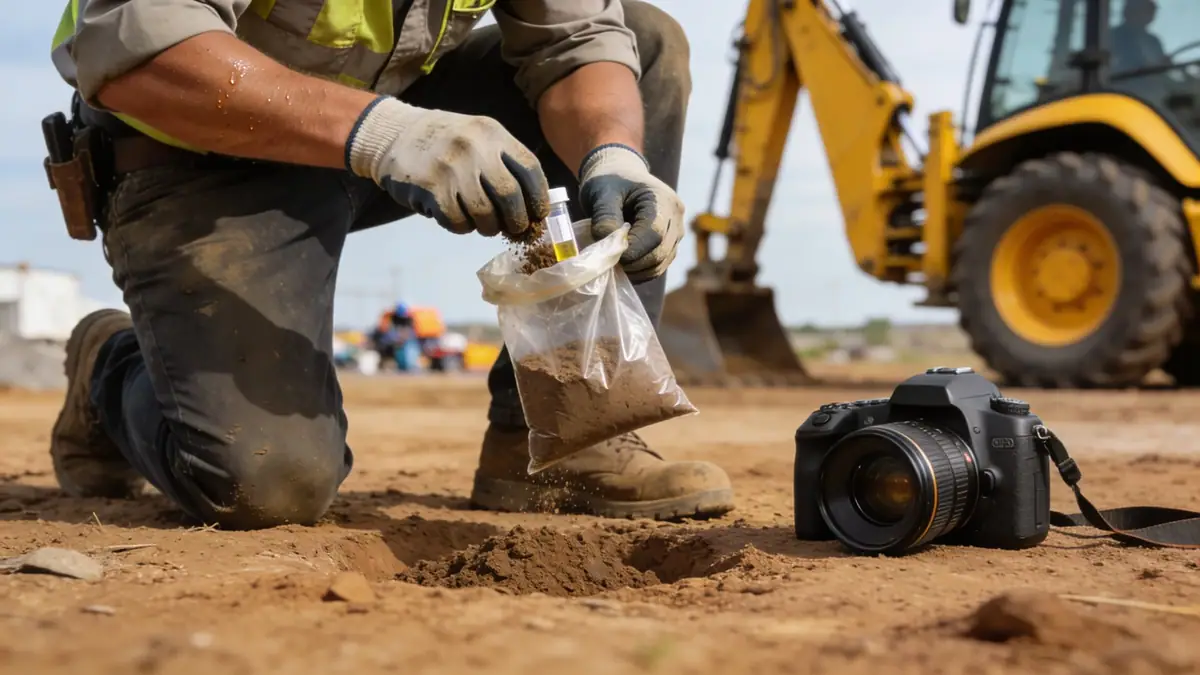
Our methodology for geotechnical engineering in Seattle begins with a comprehensive desk study of regional geology and historical data. We then conduct targeted field investigations, including spt boring following ASTM D1586, to characterize subsurface conditions. Laboratory testing on recovered samples provides key parameters such as strength, compressibility, and permeability. All data is integrated into a geotechnical model that informs foundation design, slope stability, and seismic considerations, ensuring our recommendations are both technically sound and locally applicable.
Reference Technical Parameters
| Parameter | Reference Value |
|---|---|
| Predominant Soil Type | Glacial till, sand, and clay with occasional peat lenses |
| Maximum Seismic Acceleration (PGA) | 0.3g to 0.5g (ASCE 7 site class D) |
| Typical Groundwater Level | 2 to 6 meters below ground surface |
| Bedrock Depth | 10 to 40 meters |
| Typical N60 Range | 10 to 50 blows per 0.3 m |
Local Considerations — Seattle
Seattle's subsurface is dominated by glacial deposits from the Vashon Stade, including dense tills and interbedded sands/clays. Shallow groundwater is common, requiring careful dewatering and drainage design. The region's high seismic hazard (PGA up to 0.5g) necessitates detailed liquefaction assessments per ASCE 7. Neighborhoods vary: downtown fill over soft soils, while hilltop areas feature dense tills. Typical projects include high-rises requiring deep foundations and hillside developments needing slope stability analyses.
Request a Quote
Our team reviews your project and issues an initial report at no cost.
Or write us directly at [email protected]
Services in Seattle
Locations covered in Seattle
Applicable Standards
- ASTM D1586 (Standard Penetration Test)
- ASCE 7 (Minimum Design Loads for Buildings)
- IBC (International Building Code)
- Seattle Building Code (Title 23)
Frequently Asked Questions
What are the typical soil types encountered in Seattle?
Seattle's soils are predominantly glacial till, sand, and clay, with localized peat deposits. The glacial till is dense and provides good bearing capacity, while soft clays and organic layers require careful evaluation for settlement and stability.
How does seismic risk affect geotechnical engineering in Seattle?
Seattle lies in a high-seismicity zone due to the Cascadia subduction zone and crustal faults. Geotechnical investigations must assess liquefaction potential, site amplification, and lateral spreading per ASCE 7 to ensure structures meet seismic design requirements.
Are geotechnical studies mandatory for construction in Seattle?
Yes, the Seattle Building Code requires a geotechnical report for most new construction and significant alterations, especially in areas with known soil hazards, steep slopes, or seismic concerns. Our firm ensures compliance with local regulations.