Methodology
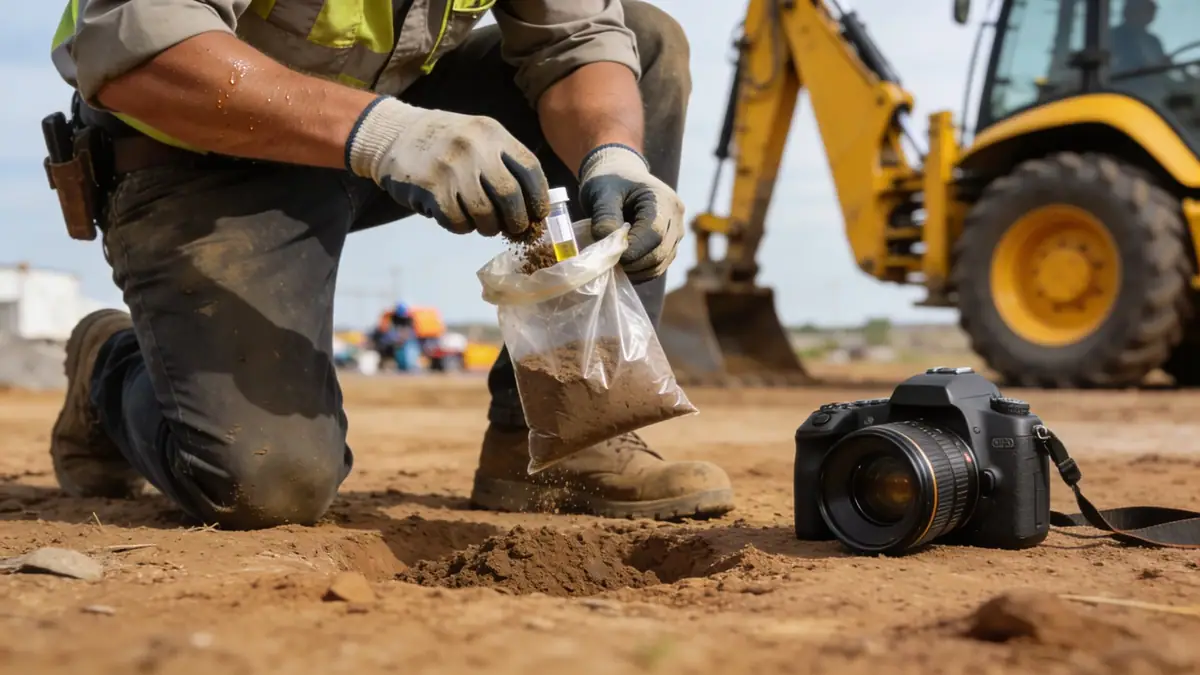
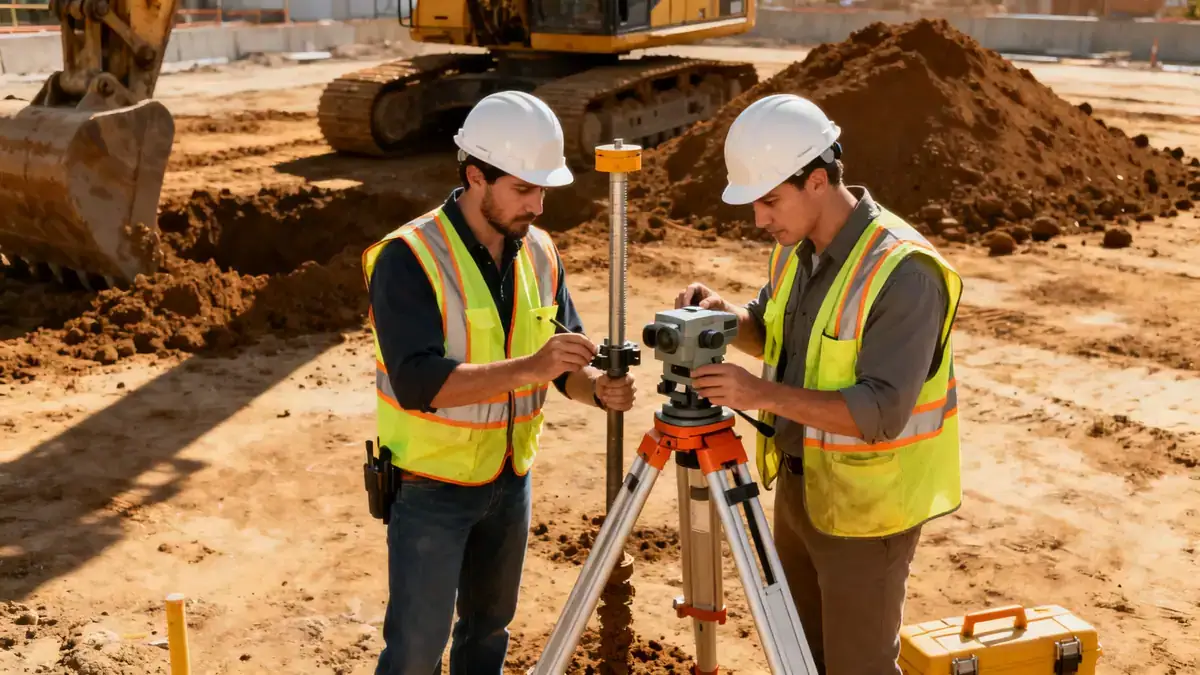
Our approach to geotechnical engineering in Tacoma begins with a thorough review of existing geological maps and historical data. We then conduct field investigations, including spt boring to standard penetration test (SPT) methods per ASTM D1586, to characterize subsurface conditions. Continuous sampling and in-situ testing provide critical data on soil strength, groundwater levels, and stratigraphy. Our team integrates this information with local seismic hazard assessments to develop tailored recommendations for foundations, earthworks, and retaining structures. Laboratory tests on recovered samples further refine parameters for design, ensuring compliance with Tacoma's regulatory framework.
Reference Technical Parameters
| Parameter | Reference Value |
|---|---|
| Predominant soil type | Glacial till, alluvial sands, and silty clays |
| Maximum seismic acceleration (PGA) | 0.25g to 0.35g (per ASCE 7 site class D) |
| Typical groundwater level | 5 to 15 feet below grade |
| Bedrock depth | Variable; 20 to 100+ feet in most areas |
| Typical N60 range (SPT) | 10 to 50 blows per foot, depending on soil type |
Local Considerations — Tacoma
Tacoma's geology is dominated by glacial deposits from the Vashon Stade, overlain by alluvial sediments in low-lying areas. The region's high seismicity, with potential for magnitude 6.5–7.0 earthquakes on the Cascadia subduction zone and local faults, requires rigorous analysis of liquefaction and lateral spreading. Groundwater levels are shallow near the Puyallup River and Commencement Bay, often within 5 feet of the surface. The contrast between the compact glacial till in the north and softer alluvial soils in the south demands tailored approaches. Our team has addressed challenges such as settlement of structures on fill and slope stability in the steep ravines. For broader regional context, see geotechnical engineering in Seattle.
Request a Quote
Our team reviews your project and issues an initial report at no cost.
Or write us directly at [email protected]
Services in Tacoma
Applicable Standards
- ASTM D1586 (Standard Penetration Test)
- ASCE 7 (Minimum Design Loads for Buildings and Other Structures)
- IBC (International Building Code) with Washington State Amendments
- Eurocode 7 (Geotechnical Design) for international projects
Frequently Asked Questions
What are the typical soil conditions for geotechnical engineering in Tacoma?
Tacoma features a mix of glacial till, alluvial sands, and silty clays. Glacial deposits provide high bearing capacity, while alluvial areas near water bodies may have softer soils and high groundwater, requiring careful evaluation for foundations and liquefaction potential.
How does seismic activity affect geotechnical engineering in Tacoma?
Tacoma is in a high-seismicity zone due to the Cascadia subduction zone. Peak ground accelerations can reach 0.35g. Geotechnical engineering must assess liquefaction, lateral spreading, and site amplification per ASCE 7 to ensure structures withstand earthquakes.
Is a geotechnical investigation required for construction in Tacoma?
Yes, Tacoma's building code mandates geotechnical investigations for most projects, especially in areas with known soil hazards. Our firm provides site-specific studies to meet code requirements and reduce construction risks.