Methodology
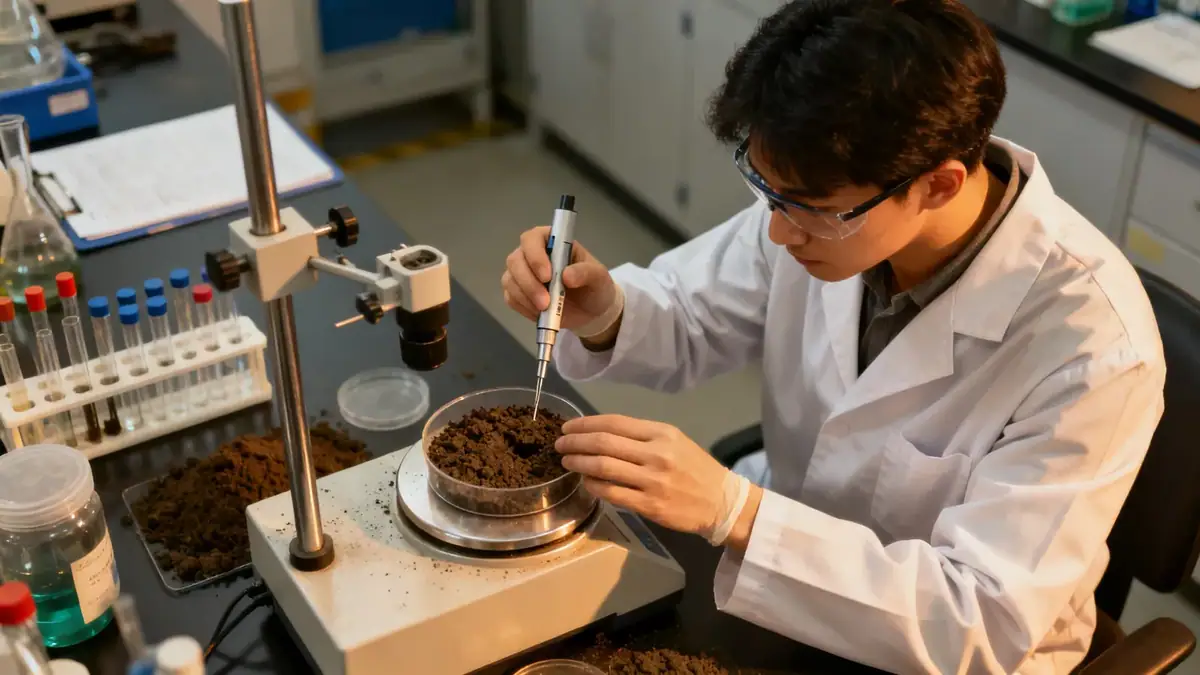
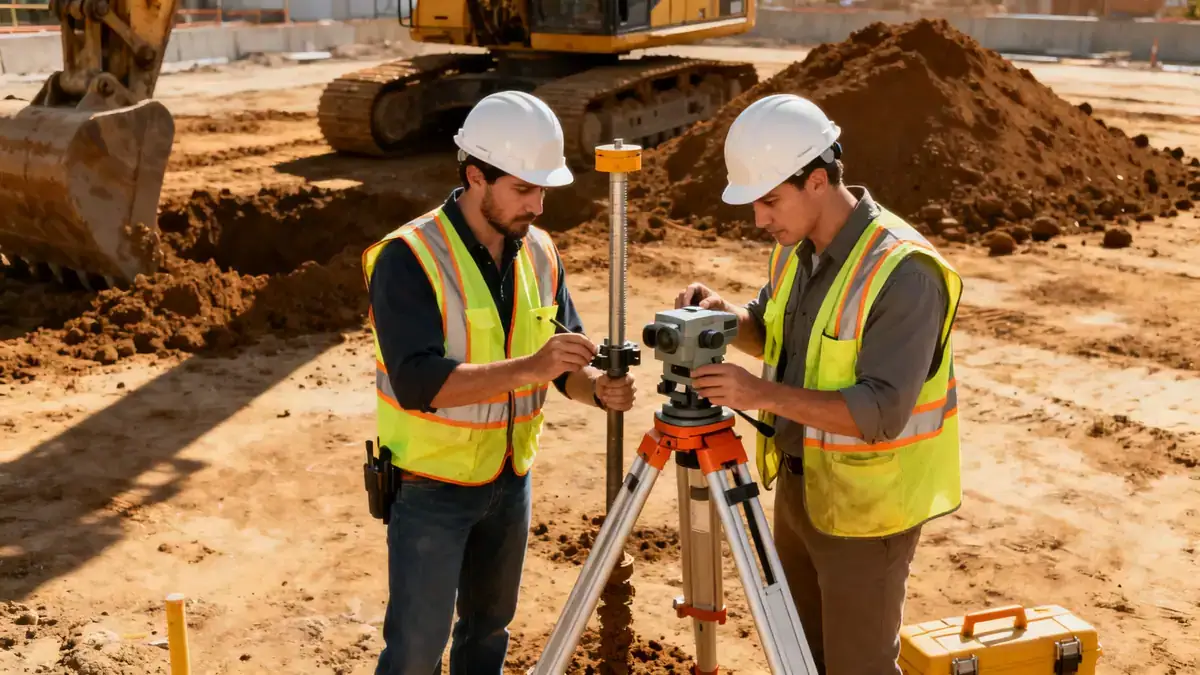
Our methodology for geotechnical engineering in Houston integrates field investigation, laboratory testing, and analytical modeling. Field programs include spt boring performed in accordance with ASTM D1586, with sampling intervals every 1.0 to 1.5 meters to capture stratigraphic changes. Soil samples are transported to our laboratory for classification, strength, and compressibility testing. Analytical models incorporate local seismic parameters per ASCE 7 to evaluate liquefaction potential and settlement. This systematic approach supports foundation design and earthwork recommendations tailored to Houston's conditions.
Reference Technical Parameters
| Parameter | Reference Value |
|---|---|
| Predominant soil type | Expansive clay (Beaumont Formation), alluvial sands near waterways |
| Maximum seismic acceleration (PGA) | 0.10–0.15 g (ASCE 7, Site Class D) |
| Typical groundwater level | 3–6 m below surface (varies seasonally) |
| Bedrock depth | >300 m (Tertiary sedimentary rock) |
| Typical N60 range | 5–15 in clays, 20–50 in sands (SPT, ASTM D1586) |
Local Considerations — Houston
Houston's geology is dominated by the Beaumont Formation, characterized by high-plasticity clays prone to volume changes with moisture. The shallow groundwater table, typically 3–6 m deep, influences excavation stability and foundation drainage. Seismic hazard is low to moderate, with PGA values of 0.10–0.15 g per ASCE 7, yet site amplification from soft soils warrants detailed response analysis. Contrasting conditions between the clay-rich western areas and the sandy terraces near the Ship Channel require distinct approaches for slope stability and retaining wall design. Common challenges include foundation heave in expansive clays and settlement in fill areas.
Request a Quote
Our team reviews your project and issues an initial report at no cost.
Or write us directly at [email protected]
Services in Houston
Locations covered in Houston
Applicable Standards
- ASTM D1586 (Standard Penetration Test)
- ASCE 7 (Minimum Design Loads for Buildings and Other Structures)
- IBC (International Building Code)
- City of Houston Public Works Design Manual
Frequently Asked Questions
What soil types are common in Houston?
Houston's soils are primarily expansive clays from the Beaumont Formation, with alluvial sands and silts along rivers. These clays exhibit high plasticity and significant shrink-swell potential, requiring careful foundation design.
Does Houston have seismic design requirements?
Yes, ASCE 7 classifies Houston as a low-to-moderate seismic zone with PGA values of 0.10–0.15 g. Site-specific ground motion analysis may be required for critical structures due to soft soil amplification.
Are geotechnical studies mandatory for construction in Houston?
While not universally required for all projects, the City of Houston and many lenders mandate geotechnical reports for commercial buildings, subdivisions, and infrastructure to mitigate risks from expansive soils and settlement.