Methodology
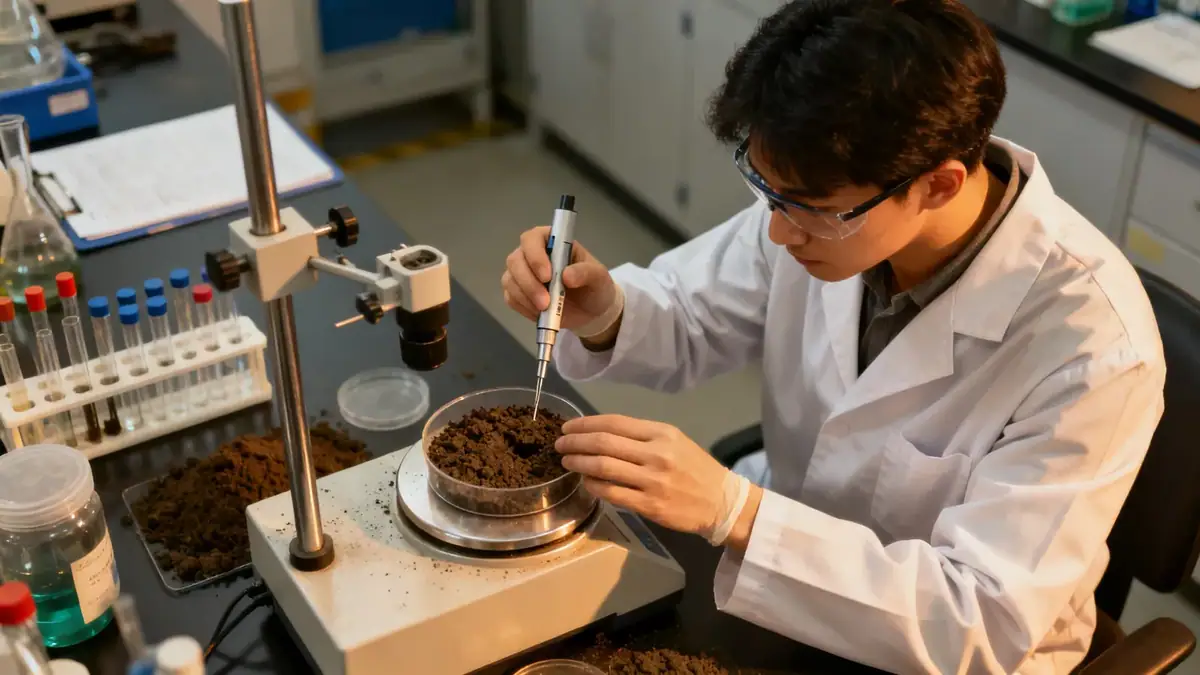
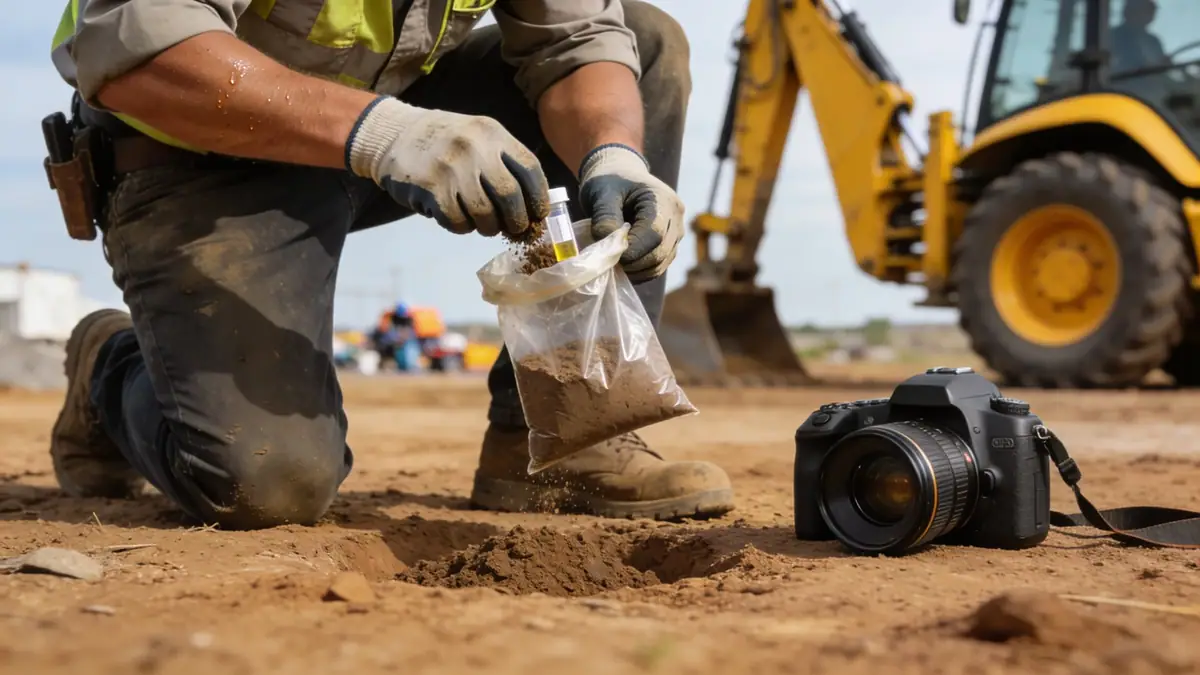
Our methodology in Frisco Texas follows a systematic approach aligned with ASTM D1586 for standard penetration testing. We begin with a thorough review of existing geotechnical data and site history, followed by a field exploration program that includes soil borings and sampling at depths determined by project requirements. Laboratory testing on recovered samples assesses index properties, strength, and consolidation characteristics. Our team integrates this data with local seismic considerations per ASCE 7 to develop site-specific recommendations. For complex sites, we employ advanced techniques such as spt boring to characterize subsurface variability and inform foundation design.
Reference Technical Parameters
| Parameter | Reference Value |
|---|---|
| Predominant soil type | Clay (expansive) and clayey sand |
| Maximum seismic acceleration (PGA) | 0.10g (ASCE 7-16) |
| Typical groundwater level | 10–20 ft below grade |
| Bedrock depth | >100 ft (Austin Chalk formation) |
| Typical N60 range | 5–15 (clay), 20–40 (sand) |
Local Considerations — Frisco Texas
Frisco Texas is underlain by Cretaceous-age marine sediments, primarily the Eagle Ford Group and Austin Chalk, resulting in clay-rich soils with high shrink-swell potential. Groundwater levels fluctuate seasonally, typically encountered between 10 and 20 feet. Seismic hazard is low (PGA ~0.10g) per ASCE 7, but liquefaction potential exists in loose sandy zones. The city's rapid growth contrasts older neighborhoods with variable fill quality; new developments often require deep foundations or soil improvement. Typical projects include residential slab-on-grade and commercial structures up to 10 stories. Our team leverages extensive local knowledge, with support from our services in Houston for specialized analyses.
Request a Quote
Our team reviews your project and issues an initial report at no cost.
Or write us directly at [email protected]
Services in Frisco Texas
Applicable Standards
- ASTM D1586 (Standard Penetration Test)
- ASCE 7 (Minimum Design Loads)
- IBC 2021 (International Building Code)
- City of Frisco Technical Standards
Frequently Asked Questions
What soil conditions are common in Frisco Texas?
Frisco's soils are predominantly high-plasticity clays derived from the Eagle Ford Formation, with interbedded sand layers. These expansive clays pose challenges for slab-on-grade foundations, requiring moisture control and sometimes deep foundation systems. Sandy zones may have liquefaction potential under seismic loading.
Does Frisco Texas have specific seismic design requirements?
Frisco is in Seismic Design Category B per ASCE 7, with a mapped PGA of approximately 0.10g. While moderate, geotechnical reports must address site class and liquefaction potential for critical structures. The IBC 2021, adopted by the city, references ASCE 7 for seismic loads.
Are geotechnical studies mandatory for new construction in Frisco?
Yes, the City of Frisco requires a geotechnical investigation for most new building permits, as outlined in its Technical Standards. Reports must include borings, laboratory testing, and foundation recommendations, typically following ASTM standards. Exceptions may apply for minor additions.