Methodology
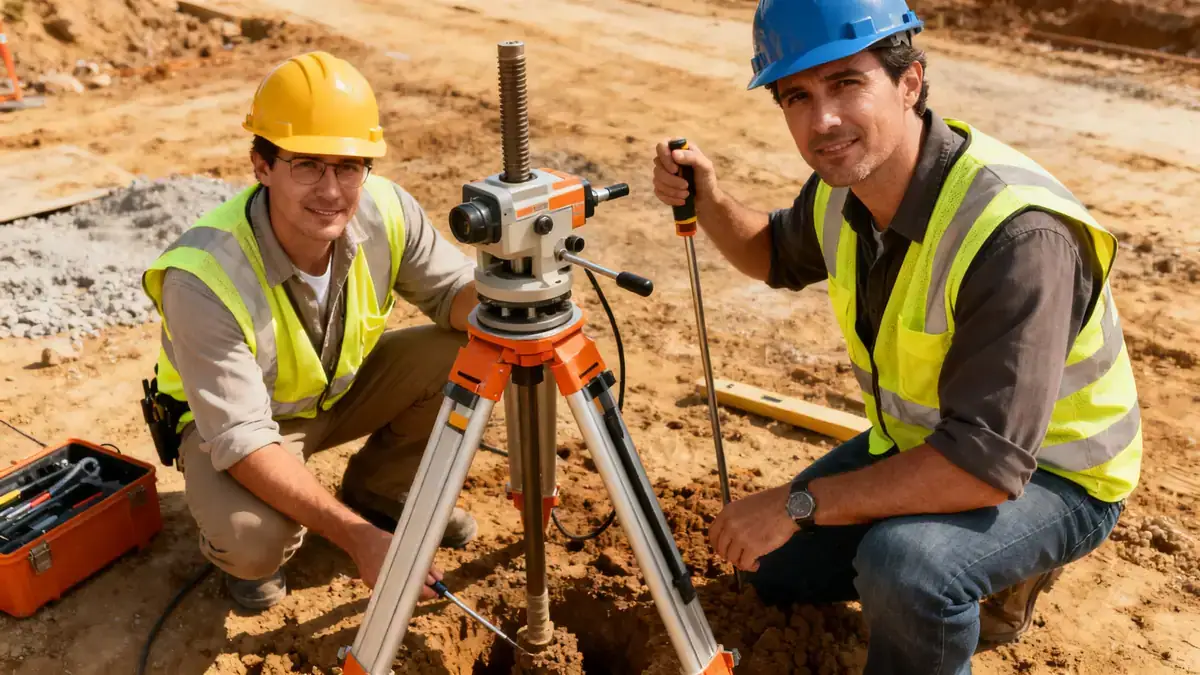
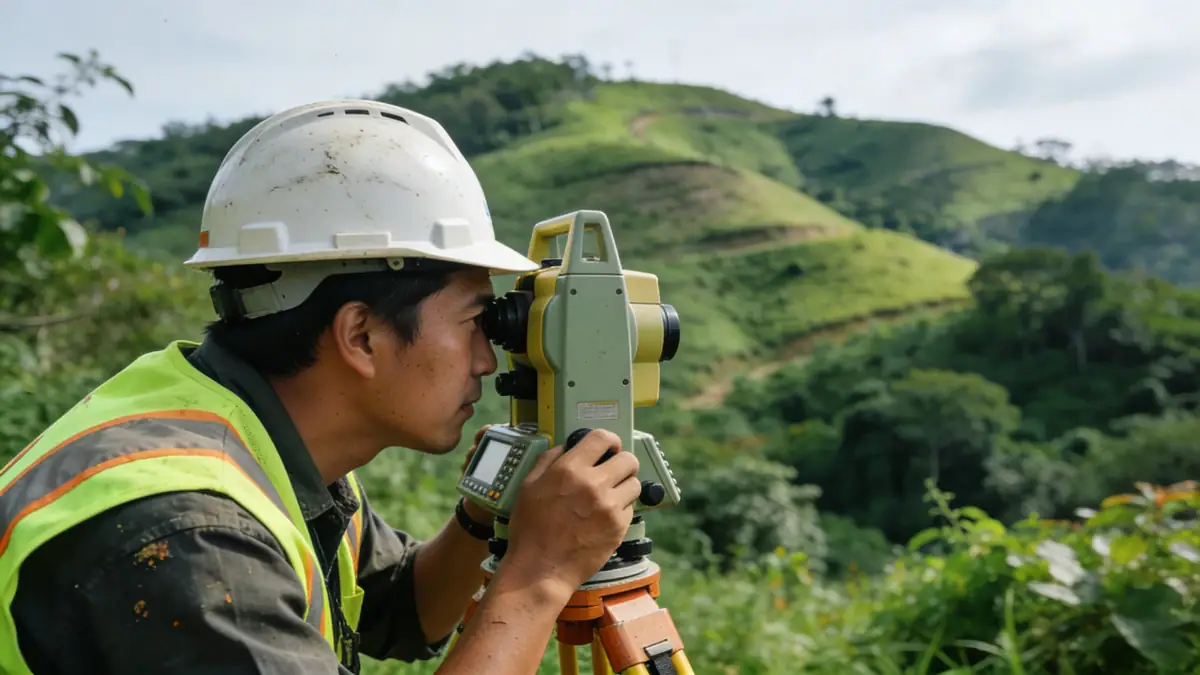
Our slope stability methodology follows a systematic approach combining field investigation, laboratory testing, and numerical analysis. Initially, we conduct a site reconnaissance and review existing geological maps. Subsurface exploration includes SPT borings per ASTM D1586, with typical depths ranging from 10 to 30 meters depending on slope height. Soil samples are tested in our Soil Mechanics Laboratory for shear strength parameters (cohesion and friction angle) via direct shear and triaxial tests. Using limit equilibrium methods (e.g., Bishop, Morgenstern-Price) and finite element software (PLAXIS 2D/3D), we compute factors of safety under static and seismic conditions (ASCE 7). Our analyses incorporate groundwater monitoring, surcharge loads, and stabilization recommendations such as soil nails, retaining walls, or drainage systems.
Reference Technical Parameters
| Parameter | Reference Value |
|---|---|
| Shear Strength (Cohesion) | 0–150 kPa (typical range) |
| Friction Angle | 20°–45° (typical range) |
| Factor of Safety (Static) | ≥ 1.5 (design criterion) |
| Factor of Safety (Seismic) | ≥ 1.1 (per ASCE 7) |
| SPT N-value | 4–50 blows/0.3 m (typical) |
Local Considerations — USA
Slope stability requirements vary significantly across the United States due to differences in geology, climate, and seismic activity. In regions like the Pacific Northwest (e.g., Seattle, Portland) and California (e.g., Los Angeles, San Francisco), high rainfall and seismic hazards demand advanced analyses per ASCE 7. In the Gulf Coast (e.g., Houston, New Orleans), soft clays and high water tables necessitate careful drainage and stabilization. Our team adapts each project to local conditions—for example, in Anchorage, permafrost influences shear strength; in Albuquerque, arid soils require erosion control measures. We have completed projects in over 100 cities nationwide, ensuring site-specific solutions.
Request a Quote
Our team reviews your project and issues an initial report at no cost.
Or write us directly at [email protected]
Applicable Standards
- ASTM D1586: Standard Test Method for Standard Penetration Test (SPT)
- ASCE 7: Minimum Design Loads and Associated Criteria for Buildings and Other Structures
- ASTM D3080: Standard Test Method for Direct Shear Test of Soils Under Consolidated Drained Conditions
- USGS Seismic Hazard Maps
Frequently Asked Questions
What is the typical factor of safety required for slope stability in the United States?
For static conditions, a factor of safety (FoS) of 1.5 is commonly required by building codes and geotechnical standards. Under seismic loading, a minimum FoS of 1.1 is typical per ASCE 7. Higher values may be specified for critical infrastructure or where consequences of failure are severe.
What methods are used to analyze slope stability in your firm?
Our firm employs limit equilibrium methods (Bishop, Janbu, Morgenstern-Price) and finite element analysis (PLAXIS 2D/3D). We incorporate site-specific soil parameters from laboratory tests (direct shear, triaxial) and groundwater conditions. For seismic cases, we use pseudo-static or dynamic analysis per ASCE 7.
How long does a typical slope stability study take?
A standard study for a moderate slope (5–15 m height) takes 4–6 weeks from initial site visit to final report. This includes field exploration (2–3 days), laboratory testing (2 weeks), and numerical analysis (1–2 weeks). Complex projects with multiple failure modes or deep-seated sliding may require 8–12 weeks.
How much does slope stability analysis cost in the USA?
The cost ranges from $1,260 to $4,200 depending on slope complexity, depth of investigation, number of borings, and laboratory tests. Additional factors include site accessibility and seismic requirements. For an accurate quote, please contact us with project details.