Methodology
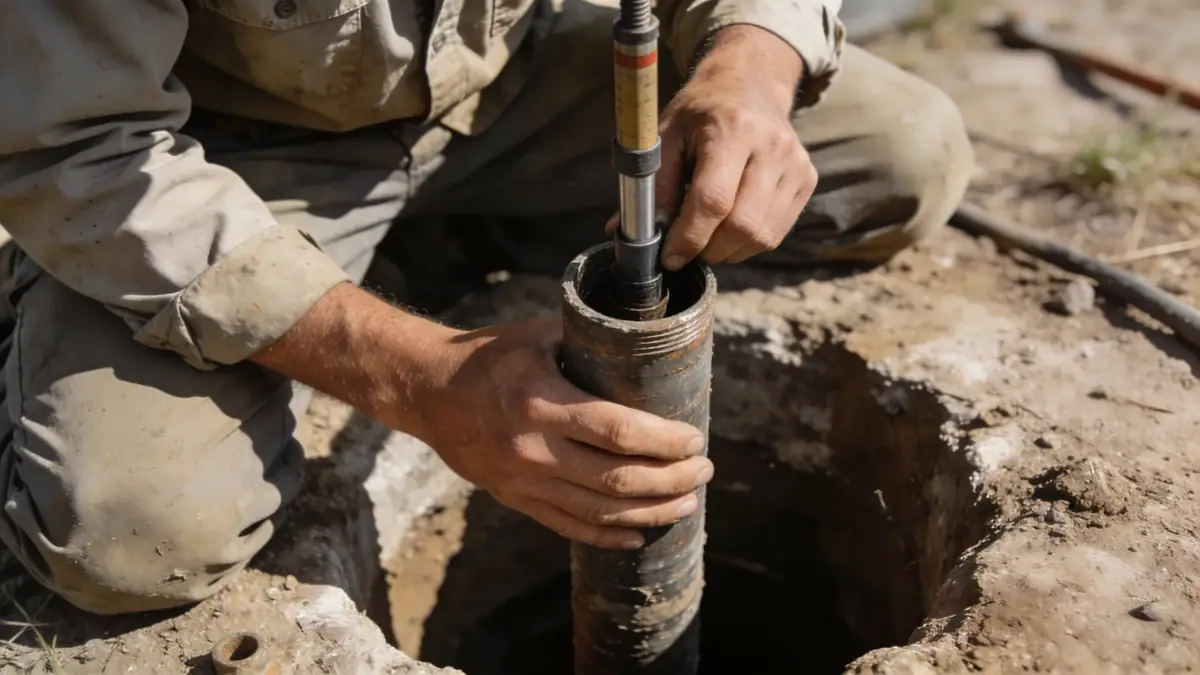
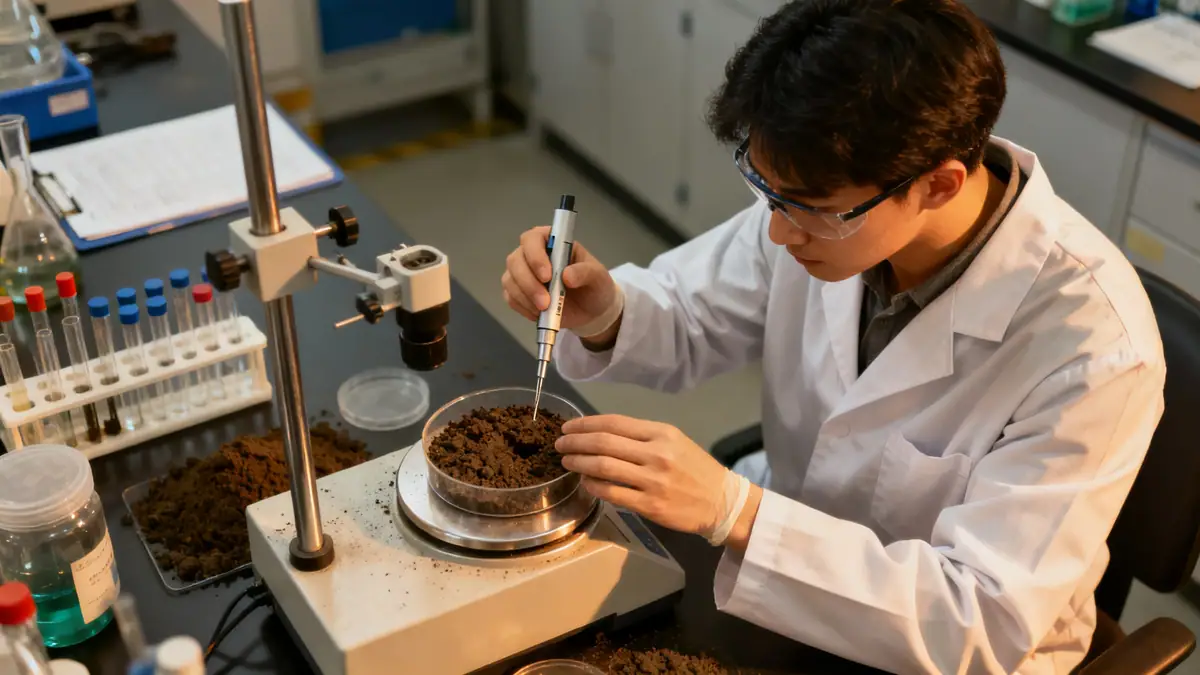
Our methodology for geotechnical engineering in Albuquerque begins with a comprehensive review of regional geology and site-specific geohazards. We employ spt boring as a primary tool, following ASTM D1586 with sampling intervals of 1.0 to 1.5 meters to obtain N60 values typical of the area. Laboratory testing on recovered samples includes grain size analysis, Atterberg limits, and consolidation tests per ASTM D698 and D2435. This data supports foundation design, slope stability, and earthwork recommendations, ensuring compliance with local building codes and standards such as ASCE 7.
Reference Technical Parameters
| Parameter | Reference Value |
|---|---|
| Predominant Soil Type | Alluvial sand, gravel, and clay (Rio Grande Rift deposits) |
| Maximum Seismic Acceleration (PGA) | 0.20g to 0.40g (ASCE 7 Site Class C/D) |
| Typical Groundwater Level | 10 to 30 meters below grade (variable by location) |
| Bedrock Depth | Exceeds 100 meters in central valley |
| Typical N60 Range | 10 to 40 blows per foot (sand and gravel) |
Local Considerations — Albuquerque
Albuquerque's geology is dominated by the Rio Grande Rift, with deep alluvial deposits that vary significantly across the city. In the West Mesa area, caliche layers and cemented sands are common, while the North Valley features higher groundwater and finer-grained soils. Our team has extensive experience with foundation design on expansive clays and collapsible soils, common in the East Mountains. For projects requiring advanced analysis, we recommend slope stability studies in areas with steep terrain. Additionally, our geotechnical engineering en Denver hub provides regional expertise across the southwestern US.
Request a Quote
Our team reviews your project and issues an initial report at no cost.
Or write us directly at [email protected]
Services in Albuquerque
Applicable Standards
- ASTM D1586 (Standard Test Method for Standard Penetration Test)
- ASCE 7 (Minimum Design Loads for Buildings and Other Structures)
- IBC (International Building Code) with New Mexico Amendments
Frequently Asked Questions
What are the predominant soil types in Albuquerque?
Albuquerque soils consist primarily of alluvial sands, gravels, and clays deposited by the Rio Grande and its tributaries. Caliche layers and cemented sands are common in the West Mesa, while the North Valley has finer-grained soils with higher groundwater. These variations require site-specific investigation.
Does Albuquerque have significant seismic risk?
Yes, Albuquerque is in a region of moderate to high seismic hazard, with peak ground accelerations (PGA) ranging from 0.20g to 0.40g per ASCE 7. The Rio Grande Rift contributes to active faulting, so seismic site classification and liquefaction assessment are critical for design.
Are geotechnical studies mandatory for construction in Albuquerque?
Yes, most jurisdictions in the Albuquerque area require a geotechnical investigation for new buildings and major renovations, per the New Mexico Building Code. Studies must address foundation support, seismic design, and soil expansion potential to obtain permits.