Methodology
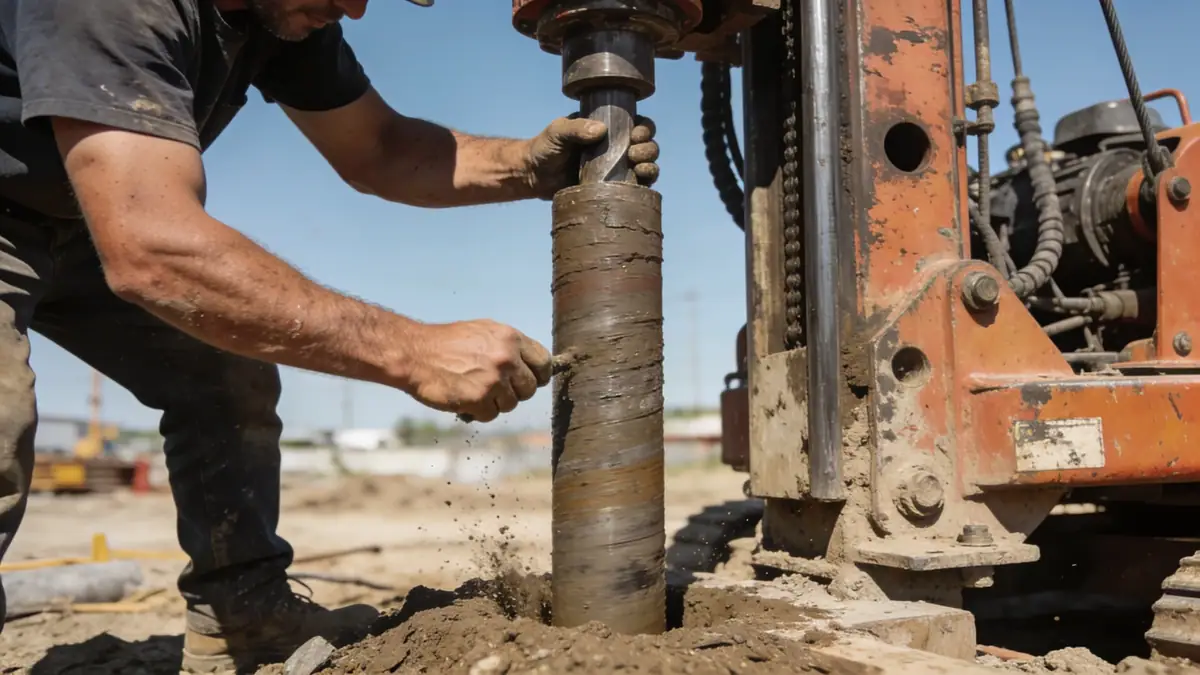
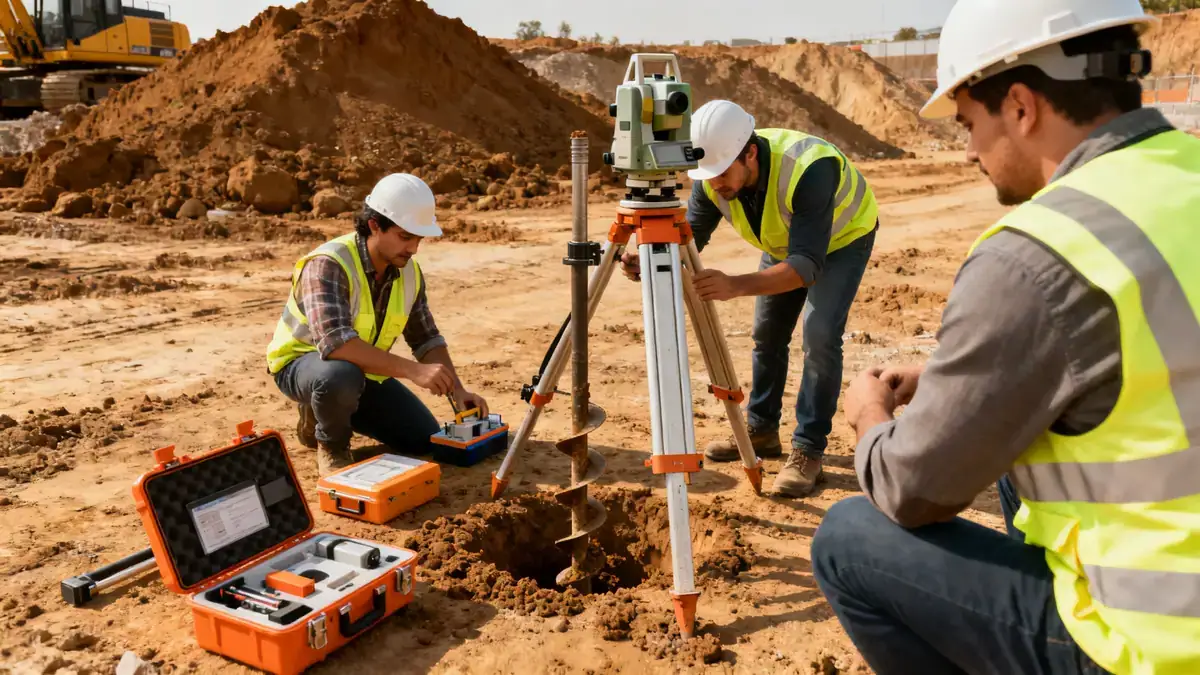
Our methodology integrates advanced field and laboratory techniques tailored to Chicago's conditions. We perform spt boring to characterize soil strata and groundwater levels, complemented by in-situ testing and sampling. Laboratory analyses include classification, strength, and consolidation tests to develop site-specific design parameters. This systematic approach supports reliable foundation engineering and slope stability assessments.
Reference Technical Parameters
| Parameter | Reference Value |
|---|---|
| Predominant soil type | Glacial till (clay, silt, sand, gravel) |
| Maximum seismic acceleration (PGA) | 0.15g (per ASCE 7-16) |
| Typical groundwater level | 3-6 m below surface |
| Bedrock depth | 30-90 m (dolomite/limestone) |
| Typical N60 range | 10-50 blows/0.3m (varies with till) |
Local Considerations — Chicago
Chicago's subsurface consists of glacial tills, lacustrine clays, and outwash sands over deep bedrock. The shallow groundwater table requires dewatering considerations. Seismic site classification (per ASCE 7) typically ranges from C to D. Variations in fill thickness in industrial areas contrast with natural till in residential zones. Our soil mechanics laboratory provides site-specific data for foundation design and excavation support.
Request a Quote
Our team reviews your project and issues an initial report at no cost.
Or write us directly at [email protected]
Services in Chicago
Locations covered in Chicago
Applicable Standards
- ASTM D1586
- ASCE 7-16
- IBC 2021
- Chicago Building Code (Title 14B)
Frequently Asked Questions
What are the typical soil conditions in Chicago?
Chicago's soils are predominantly glacial tills—dense mixtures of clay, silt, sand, and gravel—overlying deep dolomite bedrock. Lacustrine clays and outwash sands are also present near Lake Michigan and former glacial lakes.
What seismic design requirements apply in Chicago?
Per ASCE 7-16, Chicago is in Seismic Design Category B or C, with a maximum PGA of 0.15g. The Chicago Building Code adopts IBC 2021, requiring site-specific response spectra for certain structures.
Are geotechnical studies mandatory for construction in Chicago?
Yes, the Chicago Building Code requires subsurface investigations for most new buildings and major renovations. The scope depends on structure size and complexity, typically including borings and laboratory testing.