Methodology
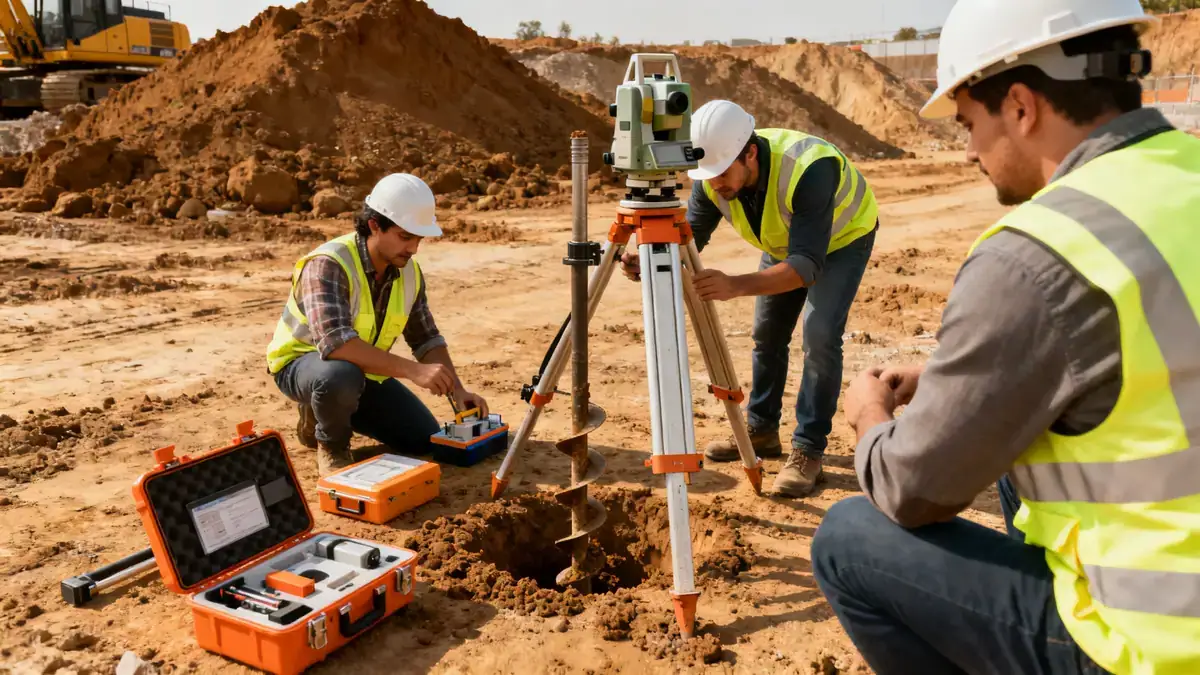
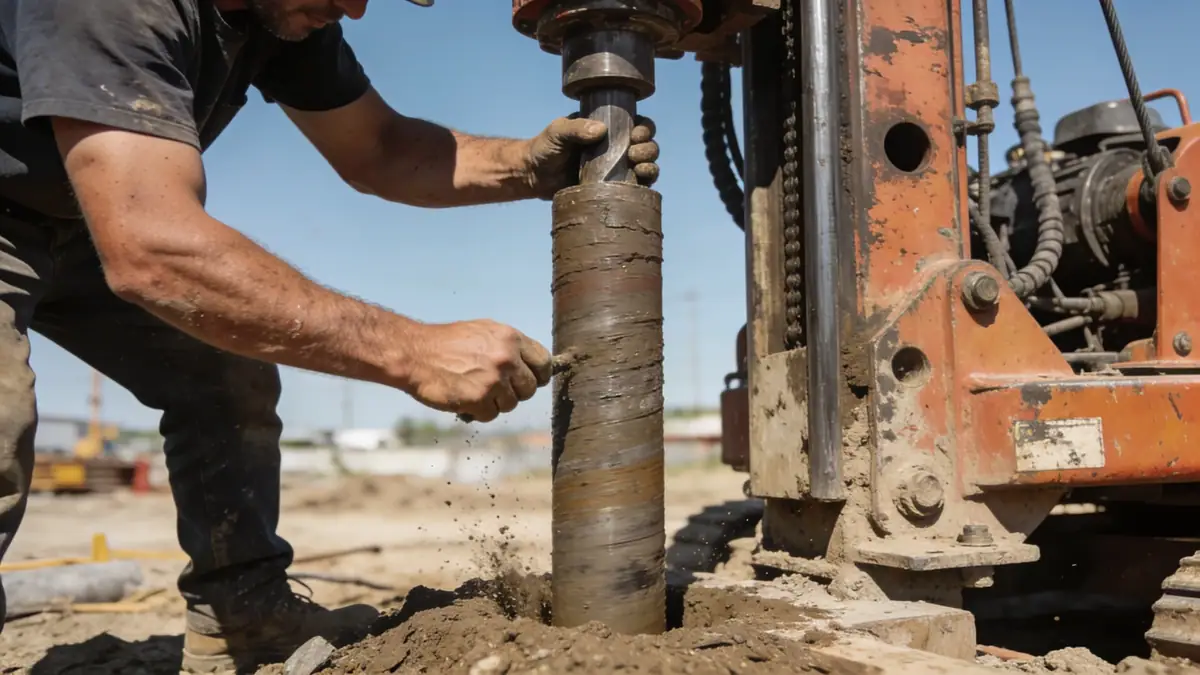
Our methodology for geotechnical engineering in Springfield Missouri follows a systematic approach. We begin with a thorough review of existing geologic maps and subsurface data specific to the Springfield Plateau. Field investigations include standard penetration testing (SPT) in accordance with ASTM D1586, with sampling intervals typically every 1.5 meters. We also conduct cone penetration tests (CPT) for continuous soil profiling. In our soil mechanics laboratory, we perform index tests, strength tests (unconfined compression, direct shear), and consolidation tests to characterize soil behavior. Our team analyzes slope stability using limit equilibrium methods for sites near the Ozark escarpment. All work adheres to local building codes and ASCE 7 seismic provisions, ensuring robust foundation designs.
Reference Technical Parameters
| Parameter | Reference Value |
|---|---|
| Predominant soil type | Chert-rich clay and silty clay (residual soil over limestone) |
| Maximum seismic acceleration (PGA) | 0.10g to 0.15g (ASCE 7 Site Class C/D) |
| Typical groundwater level | 5–10 m below ground surface, variable seasonally |
| Bedrock depth | 1–15 m (karst features cause high variability) |
| Typical N60 range | 5–15 blows/0.3 m in residual soils; >50 in weathered bedrock |
Local Considerations — Springfield Missouri
Springfield Missouri lies within the Springfield Plateau, characterized by chert-rich residual soils overlying Mississippian limestone. Karst features such as sinkholes and solution channels are common, requiring careful subsurface exploration. The Ozark region has moderate seismicity, with a peak ground acceleration of 0.10g to 0.15g per ASCE 7. Urban areas like downtown Springfield may have fill or disturbed soils, while undeveloped sites retain natural soil profiles. Groundwater levels fluctuate with seasons, typically encountered at 5–10 m depth. Typical projects include residential subdivisions, commercial buildings, and highway infrastructure. For broader context, we offer geotechnical engineering services from Chicago, where similar karst conditions are present.
Request a Quote
Our team reviews your project and issues an initial report at no cost.
Or write us directly at [email protected]
Services in Springfield Missouri
Applicable Standards
- ASTM D1586 (Standard Penetration Test)
- ASCE 7 (Minimum Design Loads and Associated Criteria for Buildings and Other Structures)
- International Building Code (IBC) – adopted by Missouri
- Missouri Department of Transportation (MoDOT) standard specifications
- ASTM D2487 (Classification of Soils for Engineering Purposes)
Frequently Asked Questions
What soil types are commonly found in Springfield Missouri?
Springfield Missouri predominantly has residual soils derived from chert-bearing limestone. These are typically silty clays with high chert content, often classified as CL or CH per ASTM D2487. The soils are variable in thickness due to karst topography, with bedrock depths ranging from 1 to 15 meters.
Is seismic design required in Springfield Missouri?
Yes, per ASCE 7, Springfield Missouri falls within a moderate seismic zone with a peak ground acceleration of 0.10g to 0.15g. Site classification (typically C or D) and seismic design category influence foundation and structural requirements. Geotechnical investigations must provide shear wave velocity or SPT N-values for site classification.
Are geotechnical studies mandatory for construction in Springfield?
While not explicitly mandated by state law, most local jurisdictions in Greene County require a geotechnical report for commercial and multi-family structures as part of the building permit process. The IBC adopted by Missouri recommends site characterization to address soil variability and karst hazards. Lenders and insurers also often require such studies.