Methodology
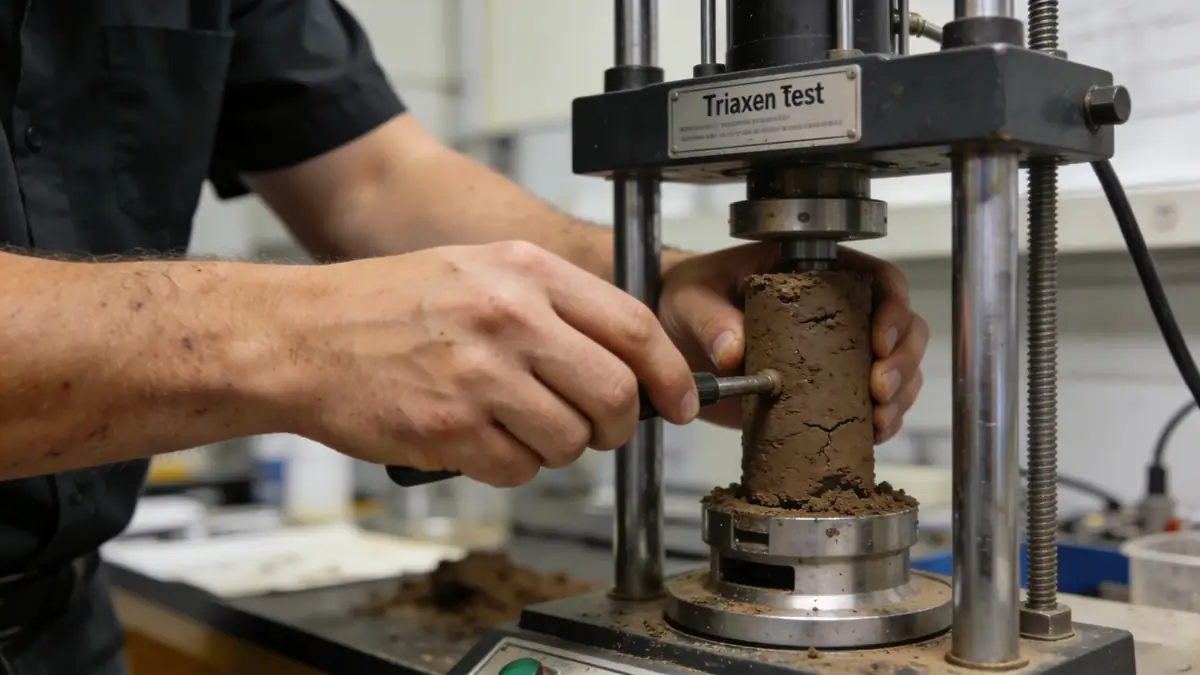
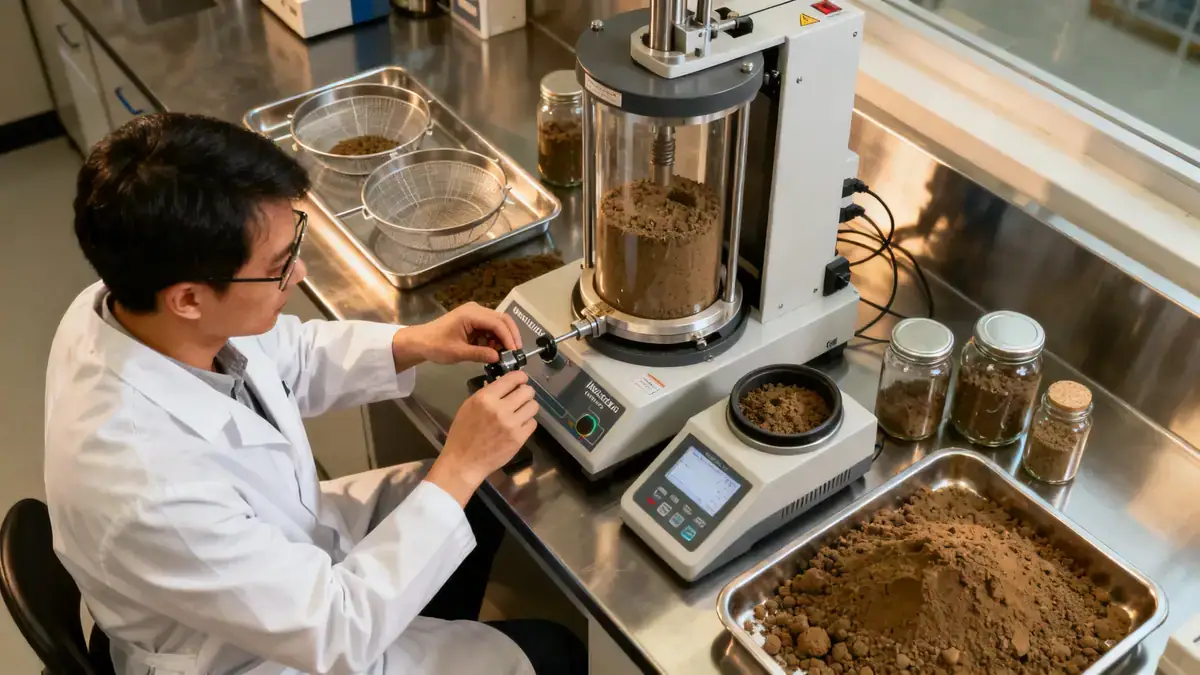
Our soil mechanics testing methodology adheres to ASTM D1586 for Standard Penetration Test (SPT) and ASTM D2487 for soil classification. We perform index properties tests (water content, Atterberg limits, grain size analysis) and mechanical tests (triaxial compression, direct shear, consolidation). For example, we routinely conduct unconfined compression tests on cohesive soils up to 200 psi strength. Our procedure includes sample extrusion, trimming, saturation, and shearing at controlled strain rates. Data acquisition systems record pore pressure and axial load at 0.1% strain intervals. Results are correlated with field observations to refine soil profiles. For projects requiring in-situ strength evaluation, we integrate our laboratory data with SPT boring results.
Reference Technical Parameters
| Parameter | Reference Value |
|---|---|
| Standard Penetration Test (SPT) N-value | 0–100 blows/ft |
| Unconfined Compressive Strength (qu) | 0.5–10 ksf |
| Liquid Limit (LL) | 20–80% |
| Plasticity Index (PI) | 5–50% |
| Coefficient of Consolidation (cv) | 0.01–10 ft²/day |
Local Considerations — USA
The United States presents a wide spectrum of geotechnical conditions that directly influence soil laboratory testing. In regions like Akron and Albuquerque, glacial till and arid alluvial soils require careful evaluation of compaction characteristics and collapse potential. Along the Gulf Coast, such as in Anchorage and Arlington, soft clays and organic soils demand advanced consolidation testing for settlement predictions. In seismic zones like Allentown and Anaheim, cyclic triaxial tests are essential for liquefaction assessment. Our firm tailors the test suite to local geology and project requirements, ensuring compliance with state-specific building codes and national standards. We maintain mobile laboratories to serve remote sites and urban centers alike, reducing turnaround time without compromising quality.
Request a Quote
Our team reviews your project and issues an initial report at no cost.
Or write us directly at [email protected]
Applicable Standards
- ASTM D1586 – Standard Test Method for Standard Penetration Test (SPT)
- ASTM D2487 – Standard Practice for Classification of Soils for Engineering Purposes (Unified Soil Classification System)
- ASTM D2166 – Standard Test Method for Unconfined Compressive Strength of Cohesive Soil
- ASTM D2435 – Standard Test Methods for One-Dimensional Consolidation Properties of Soils
Frequently Asked Questions
What types of soil samples are required for laboratory testing?
We accept both undisturbed tube samples (Shelby tubes, thin-walled) and disturbed bag samples. Undisturbed samples are needed for strength and consolidation tests, while disturbed samples suffice for index properties and classification. Samples must be properly sealed, labeled, and transported to maintain in-situ moisture and structure.
How long does a typical soil mechanics laboratory test program take?
Standard index tests (water content, Atterberg limits, grain size) can be completed within 3–5 business days. Advanced tests such as triaxial shear or consolidation require 2–4 weeks depending on soil type and number of load stages. We provide expedited services for critical-path projects.
Which ASTM standards govern your soil testing procedures?
Our laboratory follows ASTM D1586 for SPT, ASTM D2487 for classification, ASTM D2166 for unconfined compression, ASTM D2435 for consolidation, and ASTM D4767 for consolidated undrained triaxial tests. All equipment is calibrated per ASTM E74, and technicians are certified by NICET or equivalent.
How much does soil mechanics laboratory testing cost in the United States?
Costs vary based on number and type of tests, sample depth, and site accessibility. A typical program including classification, compaction, and strength tests ranges from $3,150 to $5,250. This estimate covers laboratory fees only; field sampling and mobilization are additional. We recommend requesting a project-specific quote for accurate pricing.