Methodology
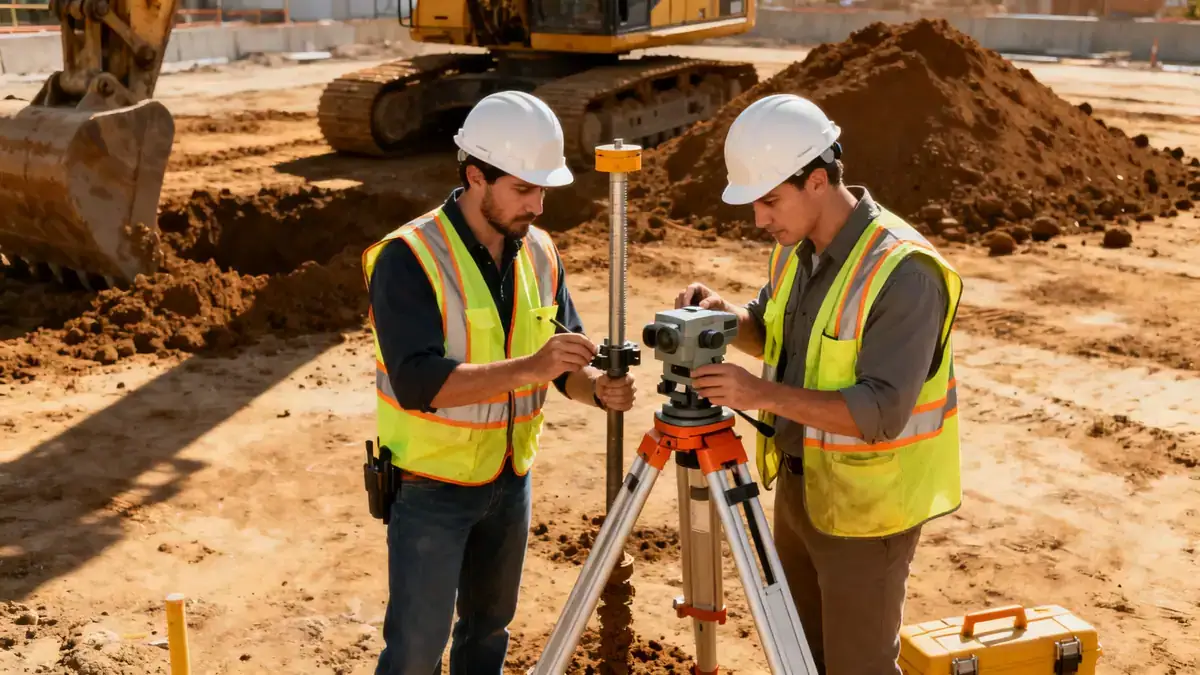
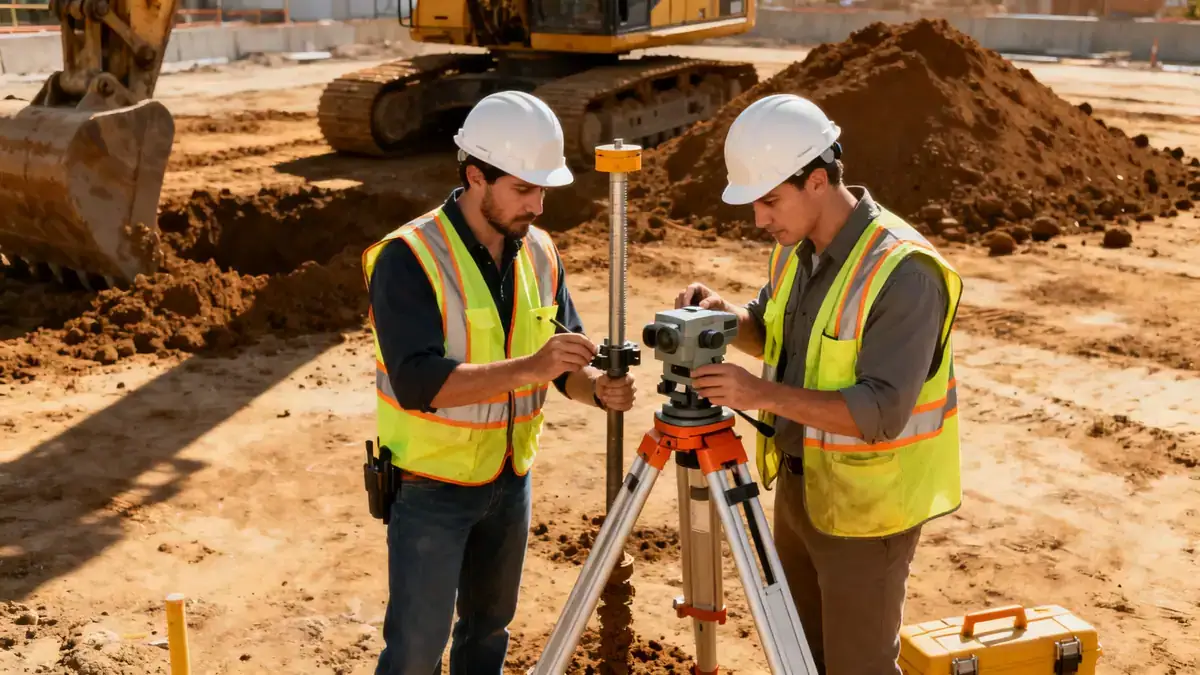
Our methodology for geotechnical engineering in New York begins with a thorough review of existing geological maps and historical project data. We then conduct targeted field investigations, including spt boring to retrieve disturbed and undisturbed samples, and perform in-situ testing such as cone penetration tests (CPT) and standard penetration tests (SPT) in accordance with ASTM D1586. Laboratory testing follows, assessing index properties, strength, and consolidation characteristics. All data are synthesized into a geotechnical report that addresses bearing capacity, settlement, and seismic site classification as per ASCE 7-16. This systematic approach ensures that our recommendations are tailored to the specific soil and groundwater conditions of each New York site.
Reference Technical Parameters
| Parameter | Reference Value |
|---|---|
| Predominant soil type | Glacial till, sand, and silt with occasional clay layers |
| Maximum seismic acceleration (PGA) | 0.2–0.3 g (Site Class B–C per ASCE 7-16) |
| Typical groundwater level | 3–6 m below grade in coastal areas; deeper inland |
| Bedrock depth | 5–30 m, with shallow rock in northern Bronx and Manhattan schist |
| Typical N60 range | 10–50 blows/0.3 m, depending on soil type and compaction |
Local Considerations — New York
New York's subsurface is characterized by glacially derived soils over a bedrock profile that varies significantly across boroughs. In Manhattan, shallow schist bedrock often allows for deep foundations, while Brooklyn and Queens feature deeper glacial till and outwash sands with intermittent clay lenses. Groundwater is typically encountered at shallow depths near the coast, requiring dewatering considerations for excavations. Seismic design follows ASCE 7-16 with site-specific ground motion analysis for critical structures. Our experience includes projects in dense urban settings where adjacent structures and utilities demand careful monitoring and protection. For detailed analysis of soil behavior under various conditions, refer to our soil mechanics laboratory services.
Request a Quote
Our team reviews your project and issues an initial report at no cost.
Or write us directly at [email protected]
Services in New York
Locations covered in New York
Applicable Standards
- ASTM D1586 (Standard Penetration Test)
- ASCE 7-16 (Minimum Design Loads and Associated Criteria for Buildings and Other Structures)
- New York City Building Code (Chapter 18 – Soils and Foundations)
- ASTM D2487 (Classification of Soils for Engineering Purposes)
Frequently Asked Questions
What are the most common soil types encountered in New York?
New York soils are predominantly glacial till, sand, silt, and clay, with occasional organic deposits in historic wetlands. Bedrock depth varies, with shallow schist in Manhattan and deeper sediments in outer boroughs. Understanding these variations is critical for foundation design.
How does seismic design apply to geotechnical engineering in New York?
New York is in a moderate seismic zone per ASCE 7-16, with peak ground accelerations of 0.2–0.3 g. Site-specific response spectra are required for certain structures. Our team performs site classification and liquefaction assessments to ensure compliance with the New York City Building Code.
Are geotechnical investigations mandatory for construction in New York?
Yes, the New York City Building Code mandates subsurface investigations for most new buildings and additions. The scope, including number of borings and laboratory tests, depends on structure size and soil variability. Our firm provides investigations that meet all regulatory requirements.