Methodology
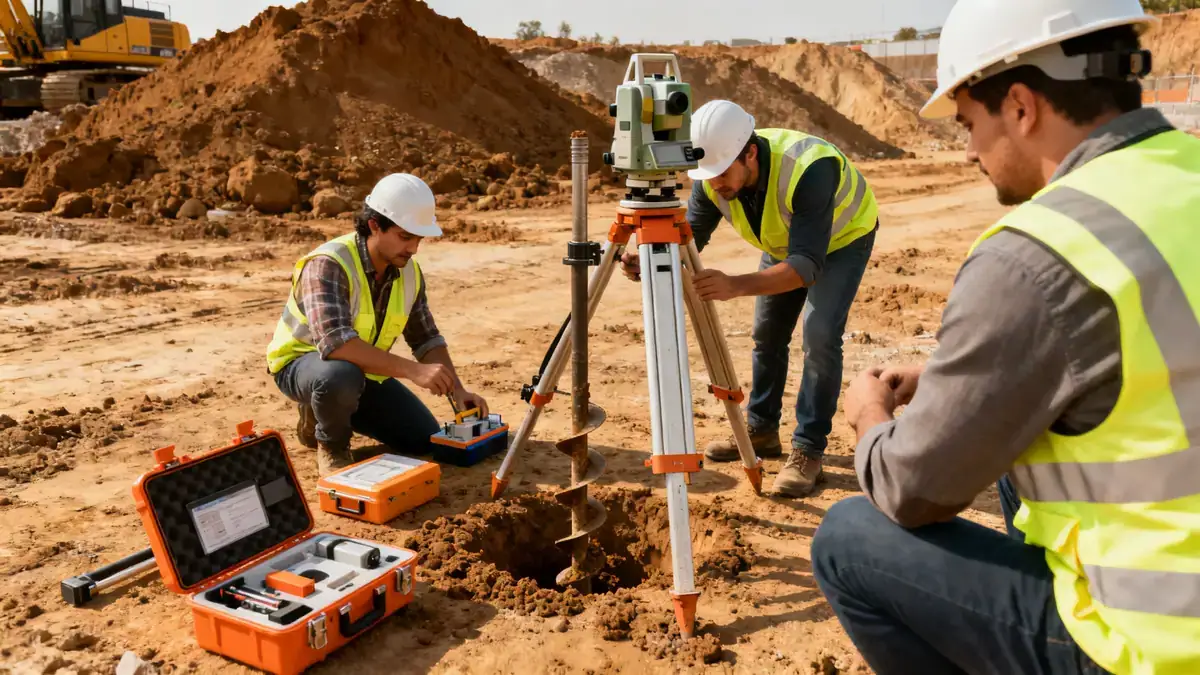
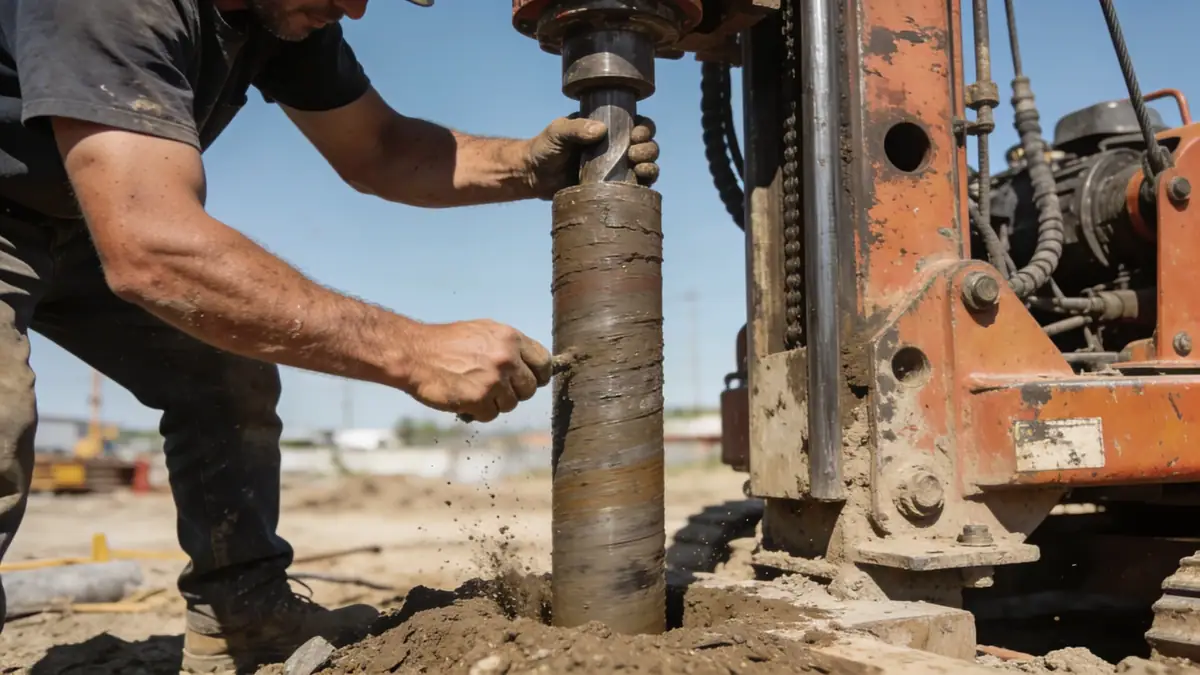
Our methodology for geotechnical engineering in Worcester integrates field investigation and laboratory testing tailored to the region's glacial soils. We perform standard penetration tests per ASTM D1586, with sampling intervals of 1.0–1.5 m, to obtain N60 values and undisturbed samples. Our soil mechanics laboratory conducts index properties, strength, and consolidation tests to support foundation design. This systematic approach ensures reliable data for slope stability and retaining wall analysis.
Reference Technical Parameters
| Parameter | Reference Value |
|---|---|
| Predominant Soil Type | Glacial till (silty sand with gravel) and stratified drift (sand and gravel) |
| Maximum Seismic Acceleration (PGA) | 0.15 g (ASCE 7-16, Site Class C) |
| Typical Groundwater Level | 3–6 m below ground surface |
| Bedrock Depth | 5–15 m in downtown; >30 m in some areas |
| Typical N60 Range | 10–40 blows/0.3 m in till; 20–60 in dense sand/gravel |
Local Considerations — Worcester
Worcester's geology presents distinct challenges: (1) Glacial till with cobbles can impede sampling and increase drilling costs; (2) Shallow groundwater in low-lying areas requires dewatering considerations; (3) Seismic design per ASCE 7-16 with PGA up to 0.15 g; (4) Urban infill sites often have undocumented fill; (5) Steep slopes in parts of the city necessitate slope stability analysis. Our team addresses these factors to deliver cost-effective foundations. For broader regional context, see our geotechnical engineering en New York page.
Request a Quote
Our team reviews your project and issues an initial report at no cost.
Or write us directly at [email protected]
Services in Worcester
Applicable Standards
- ASTM D1586 (Standard Penetration Test)
- ASCE 7-16 (Minimum Design Loads for Buildings and Other Structures)
- Massachusetts State Building Code (9th Edition)
- ASTM D2487 (Classification of Soils for Engineering Purposes)
Frequently Asked Questions
What soil types are common in Worcester?
Worcester predominantly features glacial till (silty sand with gravel) and stratified drift (sand and gravel). Bedrock is typically granite or gneiss, with depths varying from 5 m downtown to over 30 m in outlying areas. These soils require careful evaluation for foundation design.
Does Worcester have seismic design requirements?
Yes, Worcester is in Seismic Design Category B per ASCE 7-16, with a maximum considered earthquake spectral response acceleration (S_MS) of about 0.3 g for Site Class C. Seismic analysis is required for most commercial and multi-story residential buildings.
When is a geotechnical study mandatory in Worcester?
Geotechnical studies are required for all new buildings with more than 3 stories, structures in floodplains or on steep slopes, and any project involving deep foundations. The Massachusetts State Building Code mandates site-specific subsurface investigations to ensure public safety.