Methodology
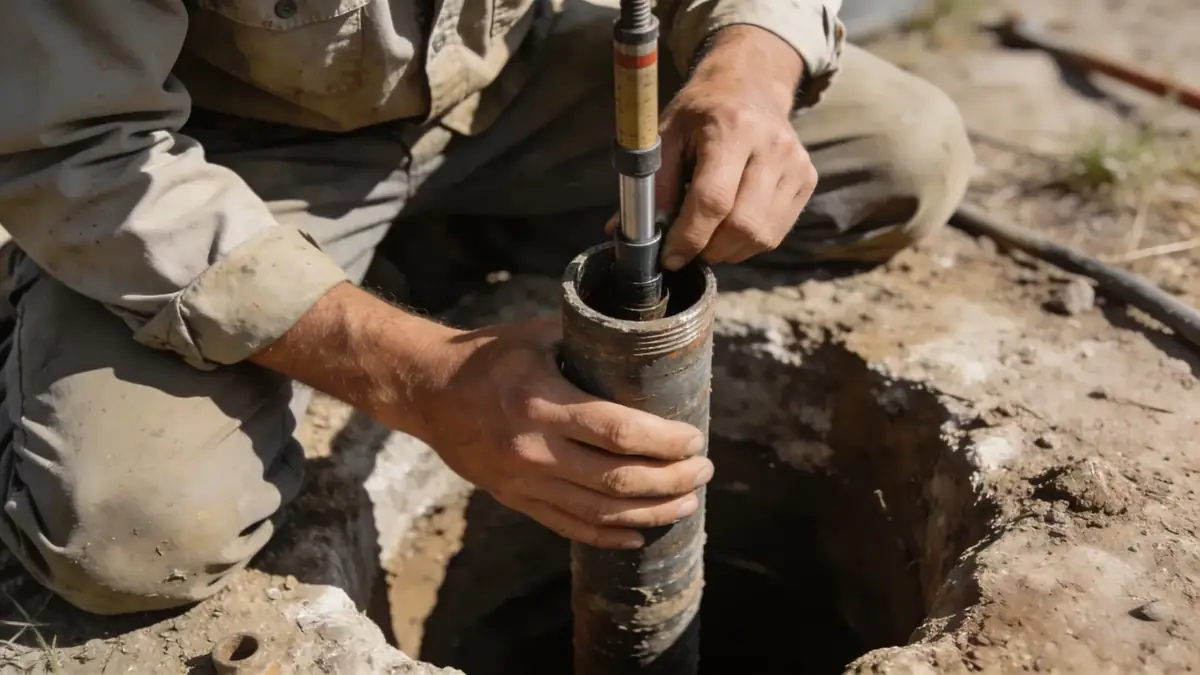
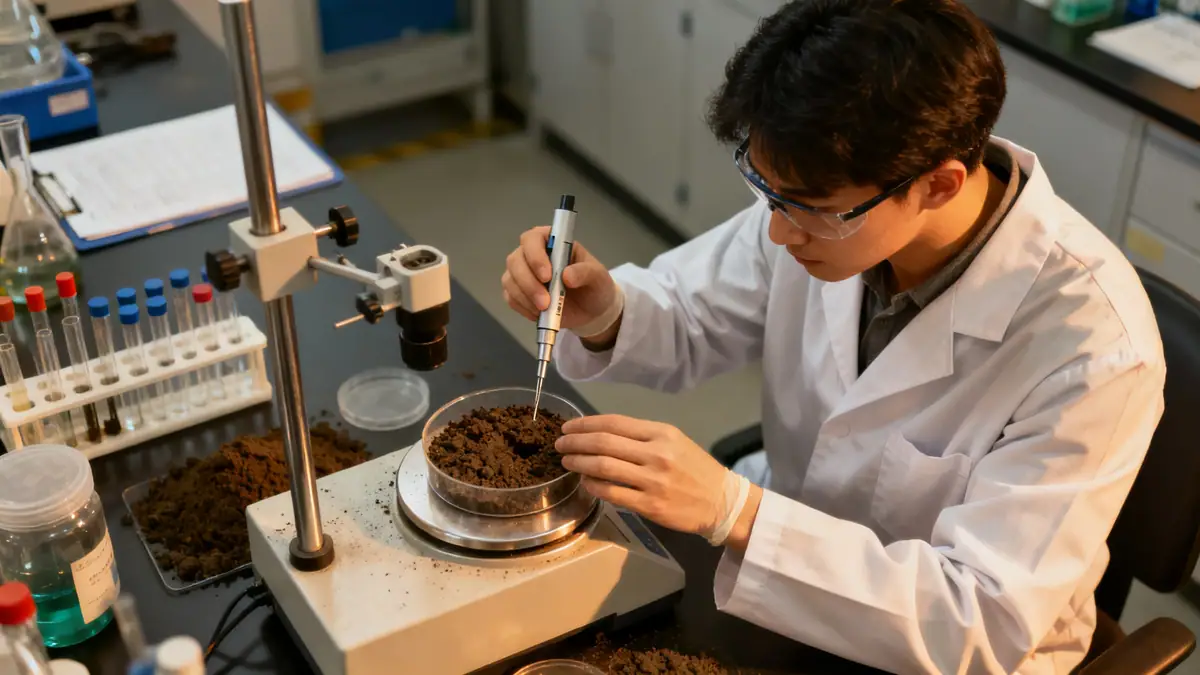
Our approach to geotechnical engineering in Boston begins with a comprehensive review of existing subsurface data and applicable codes. We then conduct field investigations, including spt boring and cone penetration testing, to characterize soil profiles and groundwater conditions. In the laboratory, samples are tested for index properties, strength, and consolidation parameters per ASTM standards. Our analyses integrate these data with local seismic hazard considerations, following ASCE 7 for site classification and liquefaction assessment. This systematic methodology supports robust foundation and earthwork designs tailored to Boston's unique subsurface conditions.
Reference Technical Parameters
| Parameter | Reference Value |
|---|---|
| Predominant soil type | Glacial till, marine clay (Boston Blue Clay), sand, and fill |
| Maximum seismic acceleration (PGA) | 0.15g to 0.22g (ASCE 7 Site Class D) |
| Typical groundwater level | 2–5 ft below ground surface (varies seasonally) |
| Bedrock depth | Variable; 20–100 ft (glacial till over bedrock) |
| Typical N60 range | 4–10 (soft clay); 15–40 (dense sand/till) |
Local Considerations — Boston
Boston's subsurface is dominated by glacial till and the compressible Boston Blue Clay, often overlain by artificial fill. Groundwater is shallow—typically 2 to 5 feet deep—requiring dewatering considerations for excavations. Seismic hazard is moderate (PGA 0.15g–0.22g), with liquefaction potential in loose sand and fill layers. The contrast between dense till in the downtown area and soft clay in the Back Bay and South End demands tailored foundation solutions. Our team frequently addresses deep foundations and settlement mitigation, and we maintain close coordination with local permitting authorities. For projects requiring specialized analysis, we also offer slope stability studies where topography or excavations present risks.
Request a Quote
Our team reviews your project and issues an initial report at no cost.
Or write us directly at [email protected]
Services in Boston
Applicable Standards
- Massachusetts State Building Code (9th Edition)
- ASCE 7-22 (Minimum Design Loads and Associated Criteria for Buildings and Other Structures)
- ASTM D1586 (Standard Test Method for Standard Penetration Test (SPT) and Split-Barrel Sampling of Soils)
- ASTM D2487 (Standard Practice for Classification of Soils for Engineering Purposes (Unified Soil Classification System))
- Eurocode 7 (for international projects adapted to local conditions)
Frequently Asked Questions
What are the predominant soil types in Boston and how do they affect construction?
Boston's soils consist of glacial till, Boston Blue Clay (a highly compressible marine clay), sand, and anthropogenic fill. These layers present challenges such as settlement in clay, liquefaction in loose sand, and variable bearing capacity. Site-specific geotechnical investigations are critical to design appropriate foundations.
Does Boston have specific seismic design requirements?
Yes. The Massachusetts State Building Code adopts ASCE 7 seismic provisions. Boston falls in Seismic Design Category B or C, with peak ground accelerations of 0.15g–0.22g. Site class (typically D or E) must be determined via subsurface data to compute design spectra and evaluate liquefaction potential.
Are geotechnical studies mandatory for all construction projects in Boston?
For most building permits, the Massachusetts State Building Code requires a geotechnical investigation report. The scope depends on project size and complexity. Our firm ensures compliance with local regulations and provides the necessary documentation for permit approval.