
Methodology
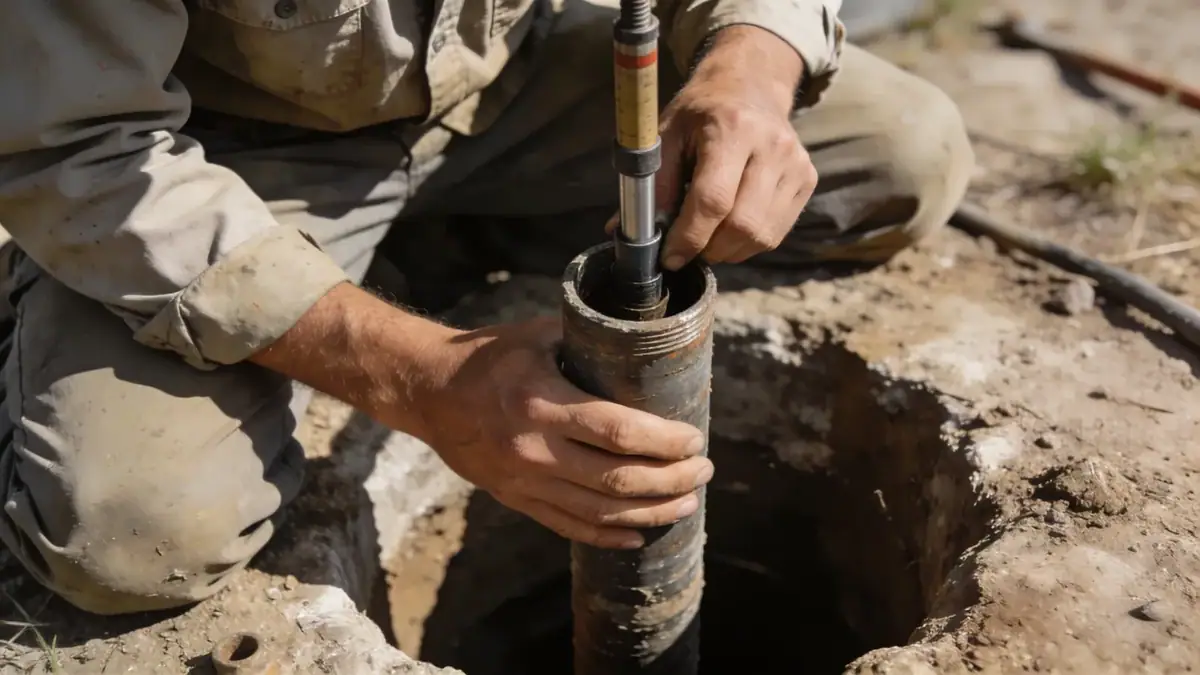
Our methodology for geotechnical engineering in Providence begins with a thorough review of existing geological maps and records. We then conduct field investigations, including spt boring to characterize subsurface conditions at depth. Soil samples are analyzed in our soil mechanics laboratory to determine physical and mechanical properties. This data informs our analyses of bearing capacity, settlement, and slope stability. We adhere to ASTM D1586 for standard penetration testing and apply local building codes to ensure robust foundation designs.
Reference Technical Parameters
| Parameter | Reference Value |
|---|---|
| Predominant soil type | Glacial till, marine clay, and fill |
| Maximum seismic acceleration (PGA) | 0.15g to 0.20g (ASCE 7-16) |
| Typical groundwater level | 2 to 6 feet below surface |
| Bedrock depth | 10 to 50 feet |
| Typical N60 range | 4 to 30 blows per foot |
Local Considerations — Providence
Providence's subsurface is shaped by glacial and post-glacial processes. The city sits on a mix of glacial till, stratified drift, and marine clay from the former Lake Narragansett. Urban fill is common in the downtown area, often with variable composition and thickness. The water table is shallow, typically 2 to 6 feet deep, requiring dewatering considerations. Seismic hazard is moderate, with peak ground accelerations of 0.15g to 0.20g per ASCE 7. For projects requiring specialized analysis, our team offers slope stability studies and retaining wall design tailored to local conditions. Our office coordinates with local authorities to meet Providence-specific permitting requirements.
Request a Quote
Our team reviews your project and issues an initial report at no cost.
Or write us directly at [email protected]
Services in Providence
Applicable Standards
- ASTM D1586
- ASCE 7-16
- Rhode Island State Building Code
- Providence Zoning Ordinance
Frequently Asked Questions
What are the typical soil conditions in Providence?
Providence soils consist primarily of glacial till, marine clay, and urban fill. Glacial till is dense and variable, while marine clay can be soft and compressible. Fill materials are often heterogeneous and may contain debris. These conditions require careful geotechnical investigation and analysis.
Is seismic design required for projects in Providence?
Yes, Providence is in a moderate seismic zone per ASCE 7-16. Peak ground accelerations range from 0.15g to 0.20g. Seismic design is mandatory for most structures, and our firm evaluates site-specific soil response and liquefaction potential as part of our geotechnical engineering in Providence.
When is a geotechnical study mandatory in Providence?
A geotechnical study is typically required for new buildings, additions, and significant renovations in Providence. The Rhode Island State Building Code mandates subsurface investigations for structures with a design load exceeding certain thresholds. Our team can help determine the requirements for your project.