Methodology
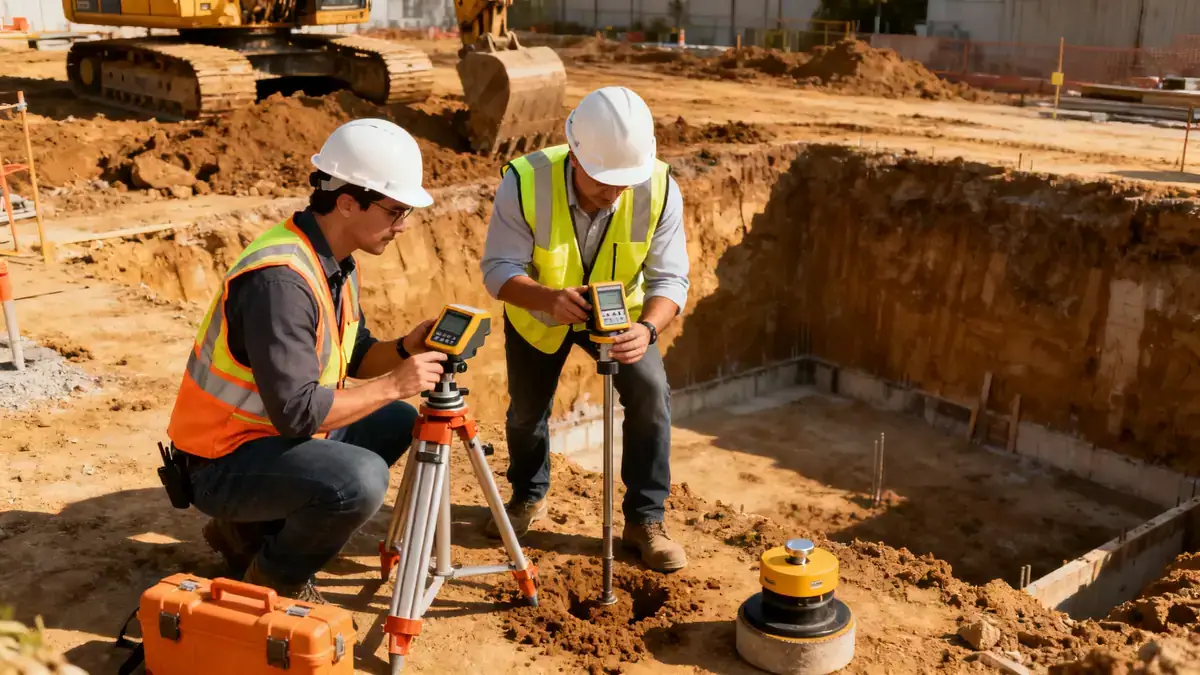
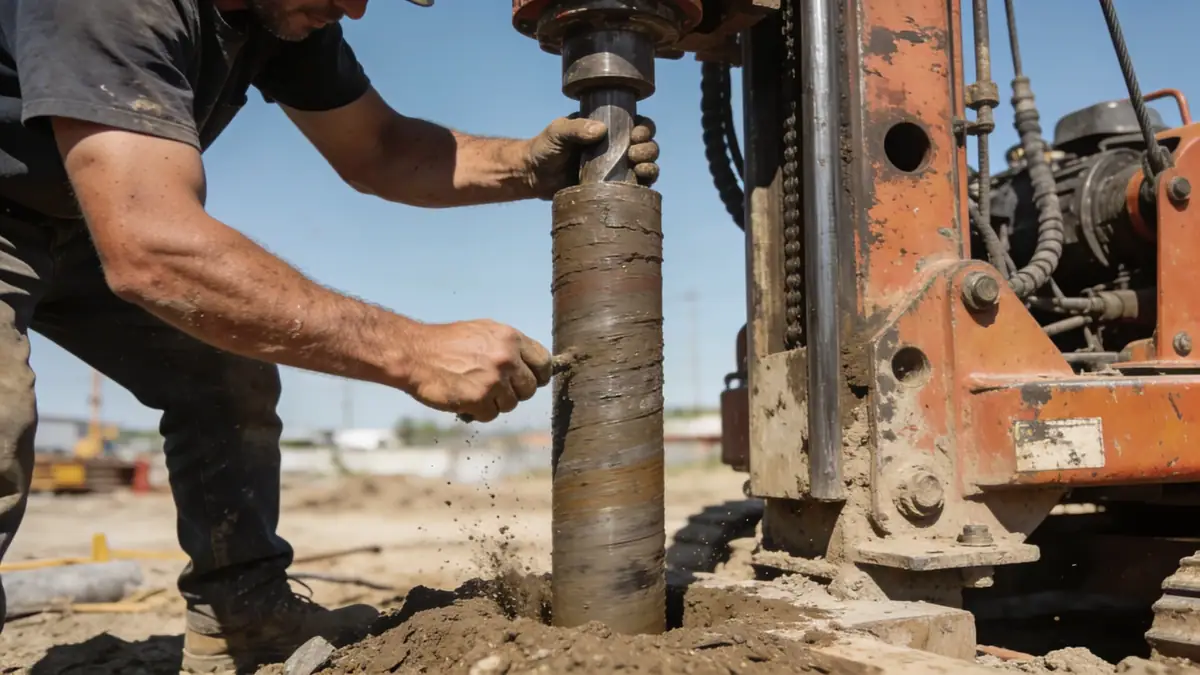
Our methodology for geotechnical engineering in Jersey City begins with a comprehensive desk study of historical maps and previous boring logs to identify potential fill zones and buried structures. We then perform site-specific field investigations, including spt boring in accordance with ASTM D1586, to characterize soil strata and obtain representative samples. Our team integrates this data with laboratory testing—such as Atterberg limits and triaxial shear—to develop soil parameters for settlement and bearing capacity analyses. We model groundwater levels using long-term monitoring wells and apply slope stability analyses where needed. This systematic approach ensures reliable recommendations tailored to Jersey City's urban environment.
Reference Technical Parameters
| Parameter | Reference Value |
|---|---|
| Predominant soil type | Glacial till and urban fill over sedimentary bedrock |
| Maximum seismic acceleration (PGA) | 0.18g (ASCE 7-16, Site Class D) |
| Typical groundwater level | 3–15 ft below grade, varies with season and tidal influence |
| Bedrock depth | 50–200 ft (diabase and sandstone) |
| Typical N60 range (fill/till) | 4–15 blows/ft for fill; 30–50 blows/ft for till |
Local Considerations — Jersey City
Jersey City's geology is defined by glacial till overlying sedimentary rocks of the Newark Basin, with urban fill prevalent along the waterfront. Seismic site classification per ASCE 7 typically yields Site Class D due to medium-dense sands and stiff clays. Groundwater levels are influenced by tidal fluctuations from the Hudson River, particularly in low-lying areas like Paulus Hook and Liberty State Park. Our team has experience with deep foundations for high-rise projects in the Newport district and slope stability issues near the Palisades. For comprehensive services, explore our soil mechanics laboratory capabilities to support your project's geotechnical needs. We also coordinate with our main office offering geotechnical engineering en New York for cross-regional consistency.
Request a Quote
Our team reviews your project and issues an initial report at no cost.
Or write us directly at [email protected]
Services in Jersey City
Applicable Standards
- ASTM D1586 (Standard Test Method for Standard Penetration Test)
- ASCE 7-16 (Minimum Design Loads and Associated Criteria for Buildings and Other Structures)
- New Jersey Residential Site Improvement Standards (RSIS)
- International Building Code (IBC) – NJ Edition
Frequently Asked Questions
What are the predominant soil types found in Jersey City?
Jersey City's soils consist mainly of glacial till—a heterogeneous mix of clay, silt, sand, gravel, and boulders—overlain by urban fill in developed areas. Along the waterfront, soft organic silts and clays are common. These variations require site-specific borings to characterize the soil profile accurately.
How does seismic design apply to projects in Jersey City?
Per ASCE 7-16, Jersey City falls within Seismic Design Category B or C, with a mapped maximum considered earthquake (MCE) spectral acceleration of 0.18g for Site Class D. Our team incorporates site-specific response spectra and liquefaction assessments for critical structures, ensuring compliance with NJ building codes.
Are geotechnical investigations mandatory for construction in Jersey City?
Yes, the New Jersey Residential Site Improvement Standards (RSIS) and IBC require subsurface investigations for most new construction and major renovations. The scope depends on project size and complexity. Our firm provides investigations that meet all local regulatory requirements, from single-family homes to high-rises.