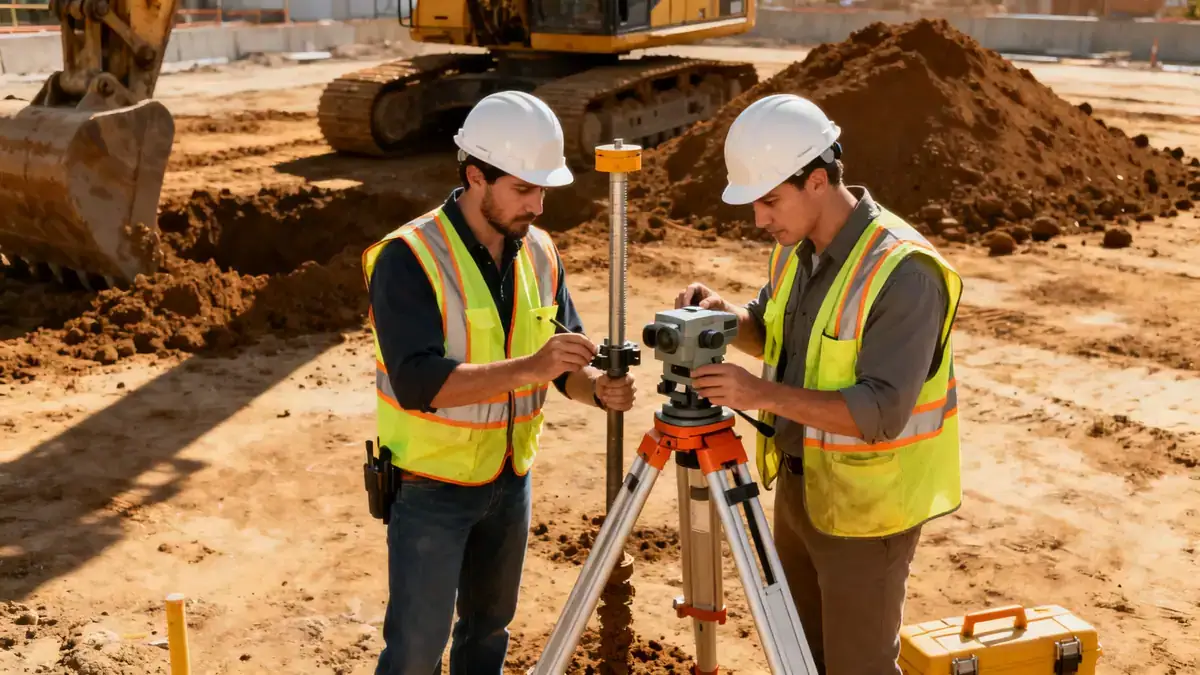
Methodology
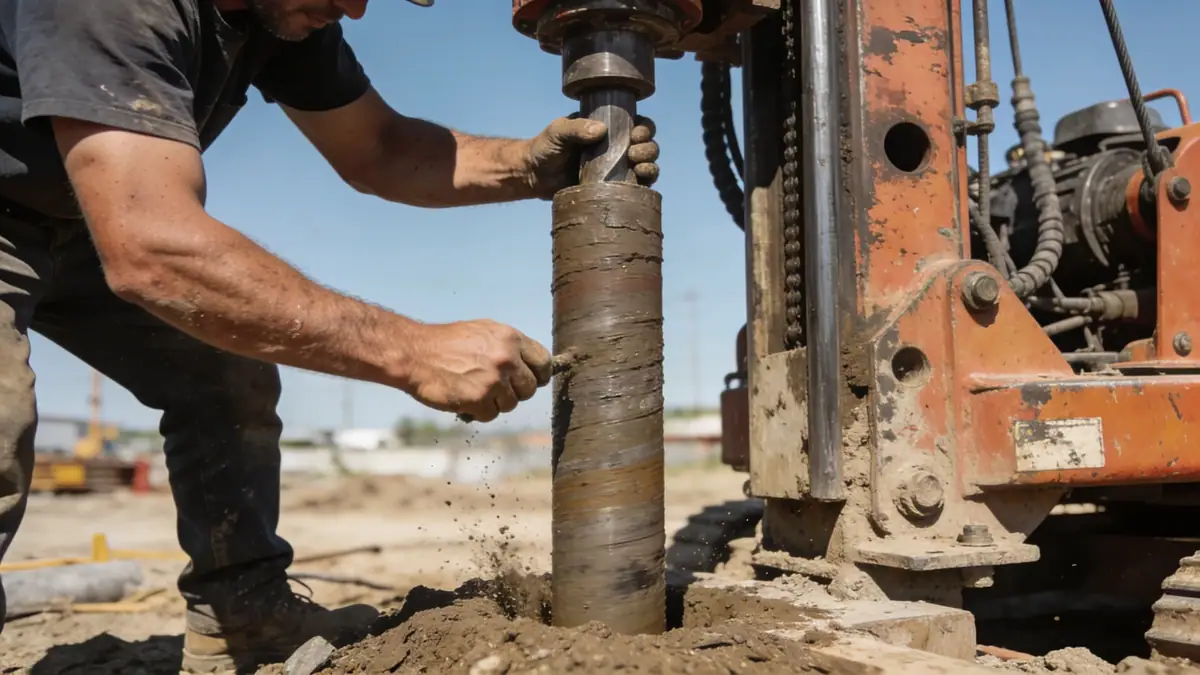
Our methodology for geotechnical engineering in Omaha begins with a thorough review of existing geological maps and subsurface data. We then conduct a targeted field investigation program, typically including spt boring at intervals of 1.0 to 1.5 meters per ASTM D1586, supplemented by undisturbed sampling for laboratory testing. Soil classification, strength, and consolidation parameters are determined in our accredited laboratory. For each project, we develop a site-specific model that accounts for the local stratigraphy, groundwater conditions, and seismic hazards. Our analytical approach combines empirical correlations with numerical modeling to provide robust foundation and earthwork recommendations.
Reference Technical Parameters
| Parameter | Reference Value |
|---|---|
| Predominant soil type | Glacial till (silty clay with sand and gravel) and alluvial deposits |
| Maximum seismic acceleration (PGA) | 0.15g to 0.25g (ASCE 7-16 risk-targeted MCE_R) |
| Typical groundwater level | 3 to 8 meters below ground surface (variable seasonally) |
| Bedrock depth | 20 to 50 meters (Pennsylvanian limestone and shale) |
| Typical N60 range | 10 to 40 blows per 0.3 m (SPT in till) |
Local Considerations — Omaha
Omaha's subsurface is dominated by glacial till, a heterogeneous mix of clay, silt, sand, and gravel deposited during the Pleistocene. This till often contains cobbles and boulders, complicating drilling and pile driving. Along the Missouri River, alluvial sands and silts with high groundwater levels pose liquefaction risks during seismic events. The city lies in a moderate seismic zone (ASCE 7 Seismic Design Category B to C), with historical earthquakes up to M5.0. Neighborhoods like Dundee and Aksarben exhibit variable till thickness, while downtown fill materials require careful compaction. Typical projects include deep foundations for high-rises and slope stabilization for river bluffs. For broader regional context, our geotechnical engineering in Chicago office addresses similar glacial geology.
Request a Quote
Our team reviews your project and issues an initial report at no cost.
Or write us directly at [email protected]
Services in Omaha
Applicable Standards
- ASTM D1586 (Standard Penetration Test)
- ASCE 7-16 (Minimum Design Loads for Buildings)
- International Building Code (IBC) 2021
- Omaha Municipal Code (Title 23, Zoning and Subdivision)
Frequently Asked Questions
What are the typical soil conditions encountered in Omaha?
Omaha soils are predominantly glacial till, a dense mixture of clay, silt, sand, and gravel. Along the Missouri River, alluvial deposits of loose sands and silts with high groundwater are common. The till often contains cobbles and boulders, requiring careful drilling techniques.
Does Omaha have seismic design requirements?
Yes, Omaha falls under Seismic Design Category B to C per ASCE 7, with peak ground accelerations of 0.15g to 0.25g. Site-specific response spectra may be required for essential facilities. Liquefaction assessment is critical for alluvial sites near the river.
Are geotechnical studies mandatory for construction in Omaha?
The Omaha Municipal Code requires a geotechnical report for most new buildings and additions, especially those with deep foundations or significant earthwork. The report must address soil bearing capacity, settlement, and seismic hazards, signed by a licensed professional engineer.