Methodology

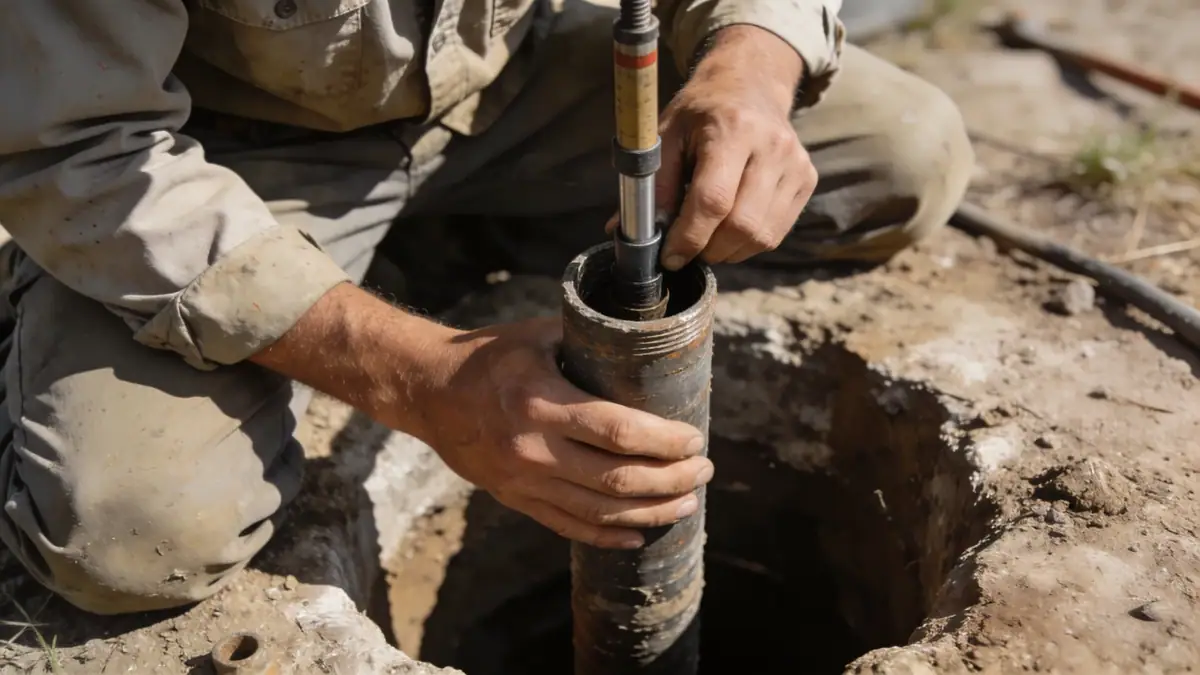
Our methodology for geotechnical engineering in Cleveland follows a phased approach. We begin with a comprehensive desk study of regional geology and existing boring logs. Field investigations include spt boring at intervals per ASTM D1586, with sample recovery for laboratory classification. We assess groundwater levels with standpipe piezometers and conduct seismic refraction surveys to estimate bedrock depth. Laboratory testing covers index properties, strength parameters, and consolidation characteristics. All data is synthesized into a site model that informs foundation design, slope stability, and earthwork specifications, ensuring compliance with local building codes.
Reference Technical Parameters
| Parameter | Reference Value |
|---|---|
| Predominant soil type | Glacial till, lacustrine clay, and outwash sand |
| Maximum seismic acceleration (PGA) | 0.10g to 0.15g (ASCE 7-16) |
| Typical groundwater level | 3 to 8 meters below ground surface |
| Bedrock depth | 15 to 40 meters (Devonian shale and limestone) |
| Typical N60 range | 4 to 30 blows/ft (sands); 8 to 20 blows/ft (till) |
Local Considerations — Cleveland
Cleveland's geology is dominated by glacial till and lacustrine clays from the Pleistocene Lake Maumee. These deposits can be highly variable, with lenses of sand and gravel affecting drainage and bearing capacity. The water table is often shallow, requiring dewatering considerations for excavations. Seismic hazard is low to moderate, with PGA values around 0.10g, but soft soils may amplify shaking. In older industrial districts, fill and buried structures pose challenges. Our team has extensive experience with these conditions, coordinating with local authorities for safe development. We also collaborate with our geotechnical engineering en Chicago office on regional projects.
Request a Quote
Our team reviews your project and issues an initial report at no cost.
Or write us directly at [email protected]
Services in Cleveland
Applicable Standards
- ASTM D1586 (Standard Penetration Test)
- ASCE 7-16 (Minimum Design Loads and Associated Criteria for Buildings and Other Structures)
- Ohio Building Code (OBC) Chapter 18 (Soils and Foundations)
- ASTM D2487 (Classification of Soils for Engineering Purposes)
Frequently Asked Questions
What are the typical soil conditions in Cleveland for foundation design?
Cleveland soils are primarily glacial till, lacustrine clays, and outwash sands. Till offers moderate bearing capacity, while clays may settle under load. Groundwater is often shallow, requiring drainage measures. Our geotechnical reports classify soils per ASTM D2487 and provide allowable bearing pressures.
Is seismic design required for buildings in Cleveland?
Yes, per ASCE 7-16, Cleveland falls in Seismic Design Category B or C depending on site soil class. Peak ground acceleration is 0.10g to 0.15g. Soft soil sites may require site-specific response spectra analysis. Our seismic hazard assessments comply with the Ohio Building Code.
Are geotechnical investigations mandatory for new construction in Cleveland?
The Ohio Building Code requires a geotechnical investigation for most structures, especially those with shallow foundations, retaining walls, or in areas with suspected fill. Local jurisdictions may have additional requirements. Our firm provides compliant reports that streamline permit approvals.