Methodology
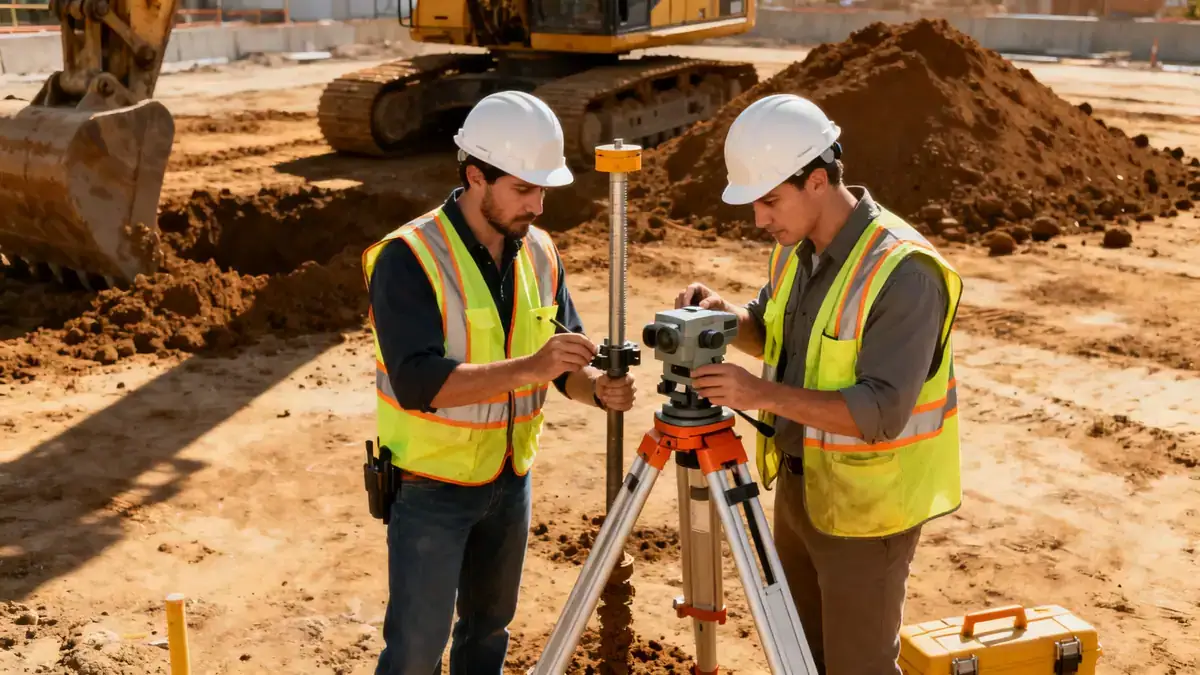
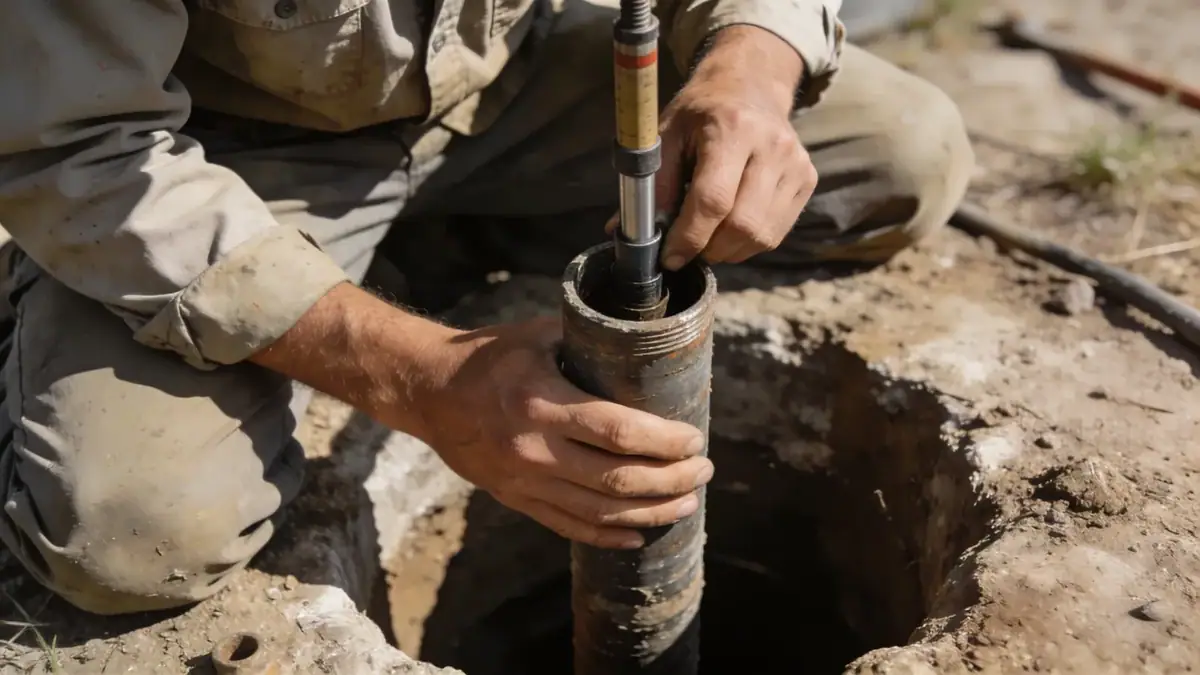
Our methodology for geotechnical engineering in Indianapolis begins with a detailed desk study of published soil maps and borehole logs from the Indiana Geological Survey. We then perform spt boring at strategic locations to recover disturbed and undisturbed samples, typically advancing borings to depths of 8–15 m for residential projects and up to 30 m for commercial structures. Standard Penetration Tests (SPT) are conducted at 1.5 m intervals following ASTM D1586, providing N-values for bearing capacity and liquefaction assessment. Groundwater levels are monitored during drilling and with standpipes. All samples are transported to our soil mechanics laboratory for classification, moisture content, Atterberg limits, and strength testing. This integrated approach ensures that our recommendations are based on site-specific data rather than regional averages.
Reference Technical Parameters
| Parameter | Reference Value |
|---|---|
| Predominant soil type | Glacial till (silty clay with sand and gravel) |
| Maximum seismic acceleration (PGA) | 0.15–0.20 g (Site Class D, IBC 2018) |
| Typical groundwater level | 3–6 m below grade |
| Bedrock depth | 30–60 m (shale and limestone) |
| Typical N60 range (SPT) | 10–30 blows/300 mm (upper 6 m) |
Local Considerations — Indianapolis
Indianapolis lies within the Tipton Till Plain, characterized by glacial deposits overlying Paleozoic bedrock. The predominant soils are glacial tills—dense silty clays with sand and gravel—interbedded with lenses of outwash sand. Groundwater levels are generally shallow (3–6 m) due to the low permeability of the till, requiring dewatering considerations for deep excavations. Seismically, the city falls in IBC Site Class D, with a peak ground acceleration of 0.15–0.20 g from the Wabash Valley Seismic Zone. Local building codes mandate site-specific seismic response analysis for structures exceeding certain height or occupancy. Our team has extensive experience navigating these conditions, from downtown high-rises to suburban subdivisions. For broader regional context, see geotechnical engineering in Chicago. Additionally, our slope stability services address the risks of landslides along the White River bluffs.
Request a Quote
Our team reviews your project and issues an initial report at no cost.
Or write us directly at [email protected]
Services in Indianapolis
Applicable Standards
- ASTM D1586 (Standard Penetration Test)
- IBC 2018 (International Building Code)
- ASCE 7-16 (Minimum Design Loads and Associated Criteria for Buildings and Other Structures)
- Indiana Administrative Code (Building Code)
Frequently Asked Questions
What are the typical soil conditions in Indianapolis?
Indianapolis soils are largely glacial till—dense silty clay with sand and gravel—underlain by shale and limestone bedrock. Alluvial deposits occur along waterways. These soils generally have moderate bearing capacity but can be variable, requiring site-specific testing.
Is seismic design required in Indianapolis?
Yes, Indianapolis is in IBC Seismic Design Category C due to the Wabash Valley Seismic Zone. Peak ground acceleration ranges from 0.15 to 0.20 g. Seismic analysis, including liquefaction potential, is required for most commercial and multi-story residential buildings.
Do I need a geotechnical investigation for a residential project in Indianapolis?
While not always mandatory for single-family homes, a geotechnical investigation is strongly recommended to identify soil variability, groundwater, and potential settlement issues. Many local lenders and insurers now require it for new construction.