Methodology
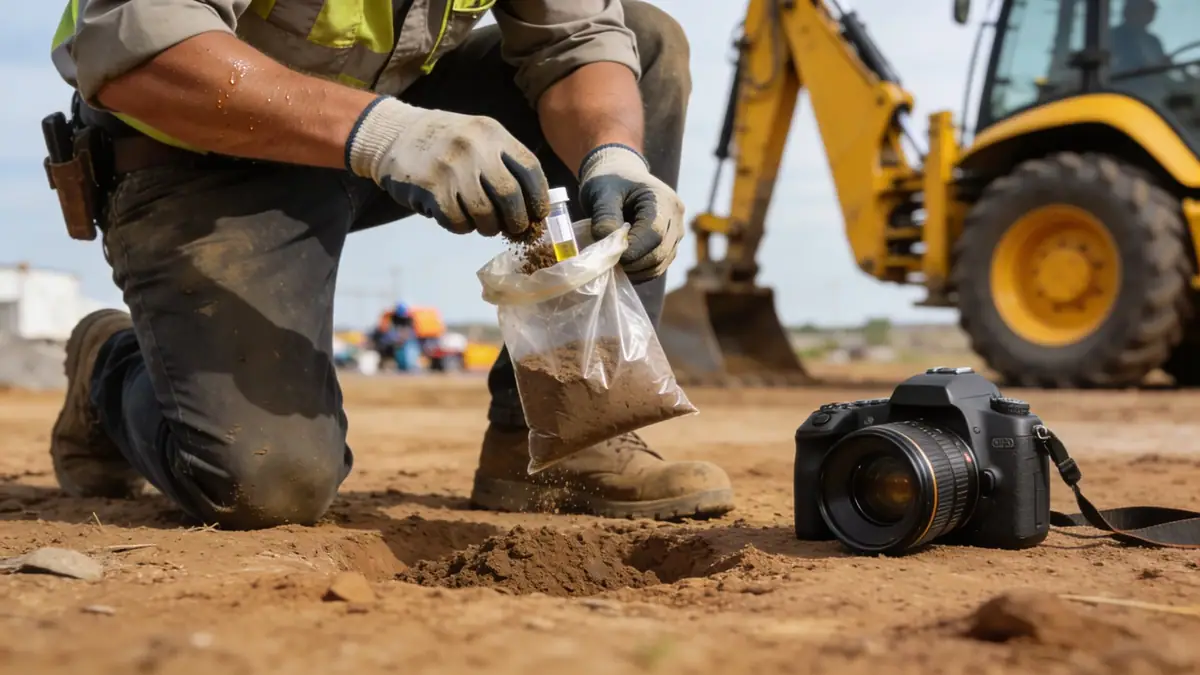
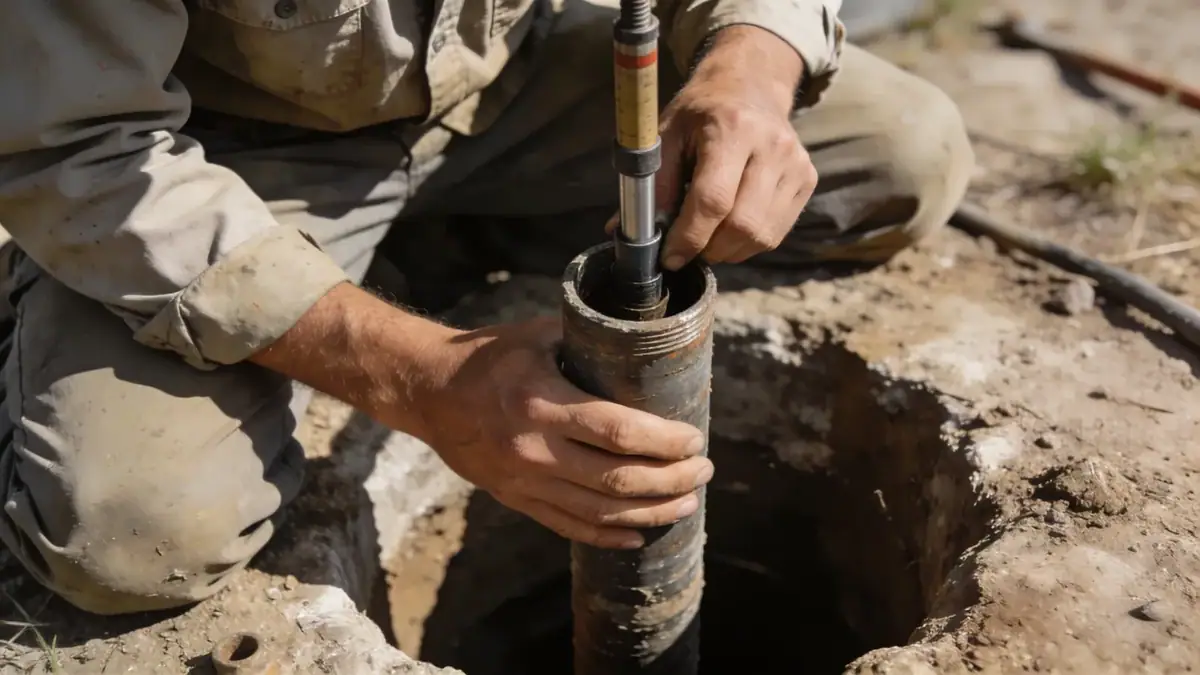
Our approach to geotechnical engineering in St Louis begins with a thorough review of existing geological maps and previous subsurface data for the site vicinity. We then develop a site-specific exploration plan that typically includes a combination of spt boring and soil sampling to characterize soil stratigraphy and engineering properties. Fieldwork is conducted in accordance with ASTM D1586 for standard penetration tests, with sampling intervals every 1.0 to 1.5 meters. Recovered soil samples are transported to our laboratory for classification, strength, and consolidation testing. All data are analyzed using industry-standard methods to develop design parameters for foundations, retaining walls, and slope stability. Our final reports provide clear recommendations aligned with local building codes and project requirements.
Reference Technical Parameters
| Parameter | Reference Value |
|---|---|
| Predominant soil type | Clay, silt, sand, and gravel (alluvial); glacial till; residual clay over limestone |
| Maximum seismic acceleration (PGA) | 0.15 g (ASCE 7-16, Site Class D) |
| Typical groundwater level | 3 to 6 m below ground surface (variable near rivers) |
| Bedrock depth | 10 to 30 m in river valleys; 1 to 5 m on uplands |
| Typical N60 range | 5 to 15 (clay); 10 to 40 (sand); 30 to 80 (till) |
Local Considerations — St Louis
St Louis sits on a complex sequence of Mississippi River alluvium, glacial deposits, and bedrock (primarily limestone and shale). In downtown and riverfront areas, deep alluvial soils (sands, silts, and clays) can extend over 20 meters, requiring deep foundations or ground improvement. Upland areas such as Clayton and Ladue typically have shallow bedrock (1–5 m) with residual clay and glacial till. Seismic hazard is moderate (PGA ~0.15 g per ASCE 7), and liquefaction potential exists in saturated loose sands near the river. Our team has experience with both driven piles and drilled shafts in alluvial zones, as well as spread footings on rock in western areas. For further information, see our expertise in geotechnical engineering en Chicago, where similar geological challenges are addressed.
Request a Quote
Our team reviews your project and issues an initial report at no cost.
Or write us directly at [email protected]
Services in St Louis
Applicable Standards
- ASTM D1586 (Standard Penetration Test)
- ASCE 7-16 (Minimum Design Loads for Buildings)
- IBC 2021 (International Building Code)
- City of St Louis Building Code (Chapter 18 – Soils and Foundations)
- ASTM D2487 (Unified Soil Classification System)
Frequently Asked Questions
What are the typical soil types encountered in St Louis?
St Louis soils include Mississippi River alluvium (clay, silt, sand, gravel) in lowlands, glacial till (clayey silt with sand and gravel) in uplands, and residual clay over limestone bedrock. The variability requires site-specific exploration.
Is a geotechnical study mandatory for building permits in St Louis?
Yes, for most commercial and multi-family residential projects. The City of St Louis Building Code requires a geotechnical report for structures with foundations, retaining walls, or earthwork. Single-family homes may require studies if soil conditions are questionable.
What seismic design considerations apply in St Louis?
According to ASCE 7-16, St Louis is in Seismic Design Category B (PGA 0.15 g). For Site Class D (typical), spectral accelerations are moderate. Liquefaction assessment is needed for sites with loose saturated sands near the Mississippi River.