Methodology
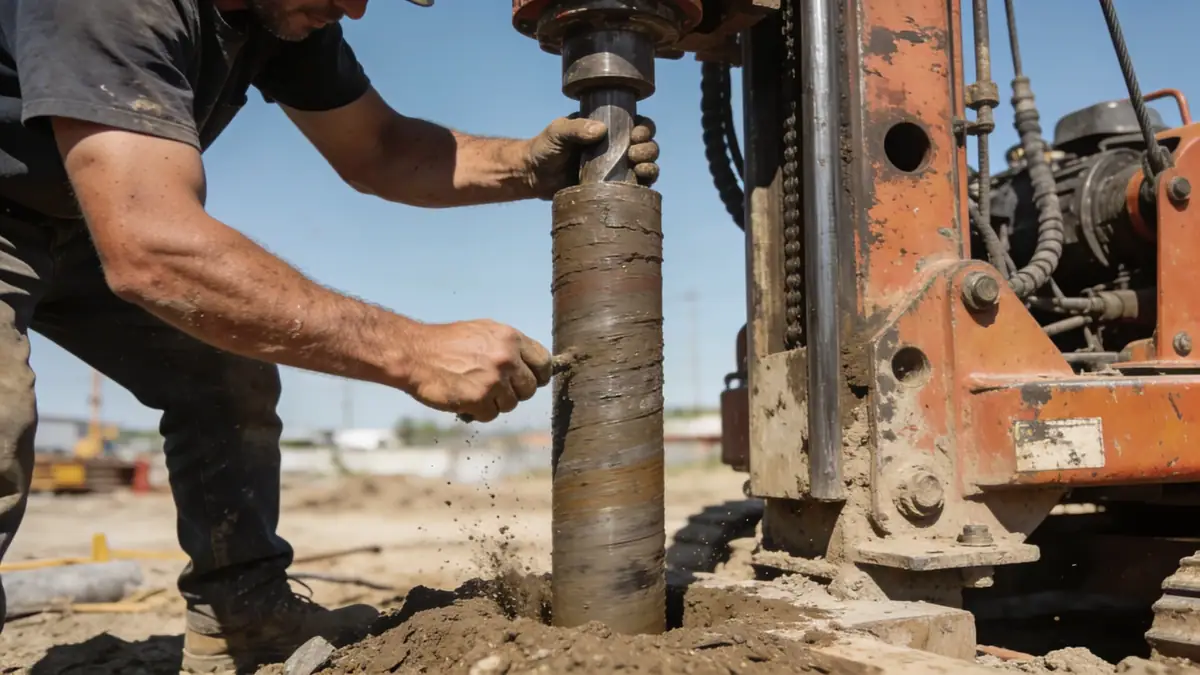
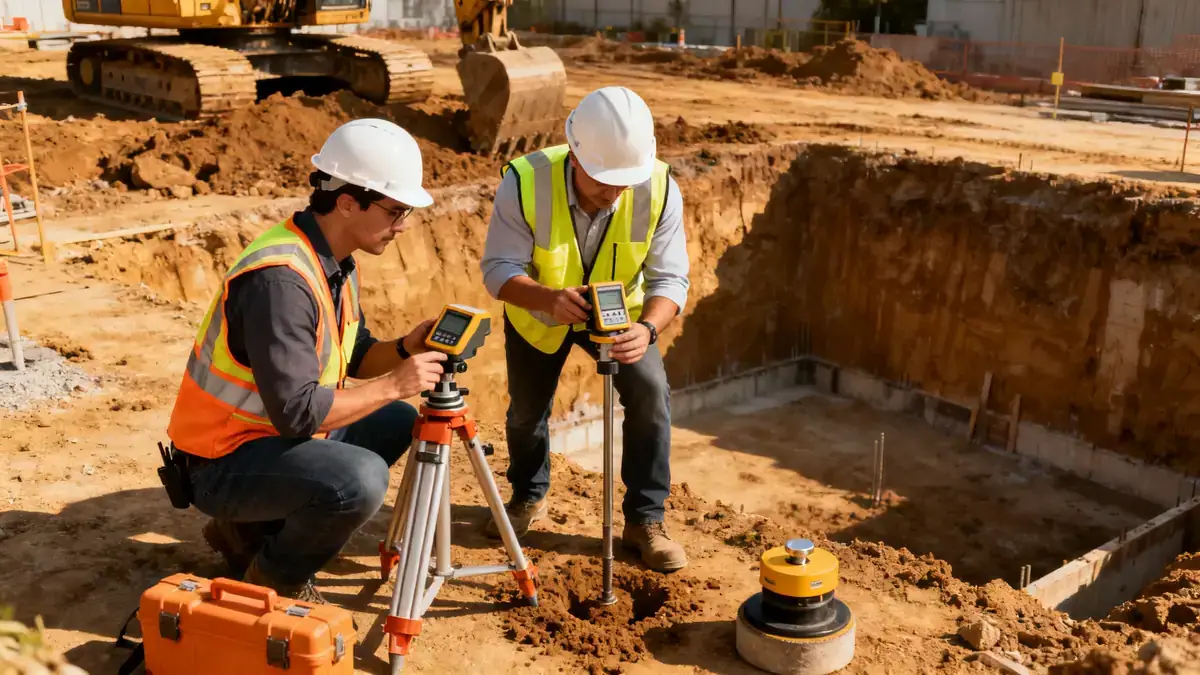
Our methodology for geotechnical engineering in Kansas City integrates field investigations and laboratory testing tailored to local geology. We perform standard penetration tests (SPT) per ASTM D1586 with sampling intervals every 1.5 meters, typically advancing borings to depths of 8 to 15 meters for residential structures and up to 30 meters for commercial projects. Soil samples are analyzed in our soil mechanics laboratory for index properties, strength, and consolidation. This data informs foundation recommendations and slope stability assessments, ensuring compliance with Kansas City building codes.
Reference Technical Parameters
| Parameter | Reference Value |
|---|---|
| Predominant soil type | Glacial till and loess |
| Maximum seismic acceleration (PGA) | 0.2g (MCE, ASCE 7) |
| Typical groundwater level | 10–25 ft below ground surface |
| Bedrock depth | 30–60 ft (limestone/shale) |
| Typical N60 range | 10–30 blows/ft (loess/till) |
Local Considerations — Kansas City
Kansas City's loess soils are highly erodible and prone to collapse upon saturation, requiring careful compaction and drainage design. The karstic limestone bedrock beneath parts of the city can create voids, complicating foundation bearing. Our team addresses these challenges through targeted site investigations and recommendations for shallow or deep foundations. For broader context, our geotechnical engineering en Chicago office provides similar expertise for the Midwest region. We also offer slope stability analysis for the area's cut slopes and embankments.
Request a Quote
Our team reviews your project and issues an initial report at no cost.
Or write us directly at [email protected]
Services in Kansas City
Applicable Standards
- ASTM D1586
- ASCE 7
- International Building Code (IBC)
- Kansas City Building Code
Frequently Asked Questions
What are the typical soil conditions for geotechnical engineering in Kansas City?
Soils are primarily glacial till and loess, underlain by limestone and shale bedrock. Loess can be collapsible when wet, and till provides variable bearing capacity. Groundwater is generally at 10–25 ft depth.
What seismic design requirements apply to Kansas City?
Kansas City is in seismic design Category C per ASCE 7, with a PGA of 0.2g. Structures must be designed for moderate ground shaking, requiring geotechnical evaluation of liquefaction potential and site class.
Are geotechnical studies mandatory for construction in Kansas City?
Yes, for most commercial and multi-family projects. The Kansas City Building Code requires a geotechnical report to determine foundation design, soil bearing capacity, and seismic parameters. Single-family homes often require only a basic soil test.