Methodology
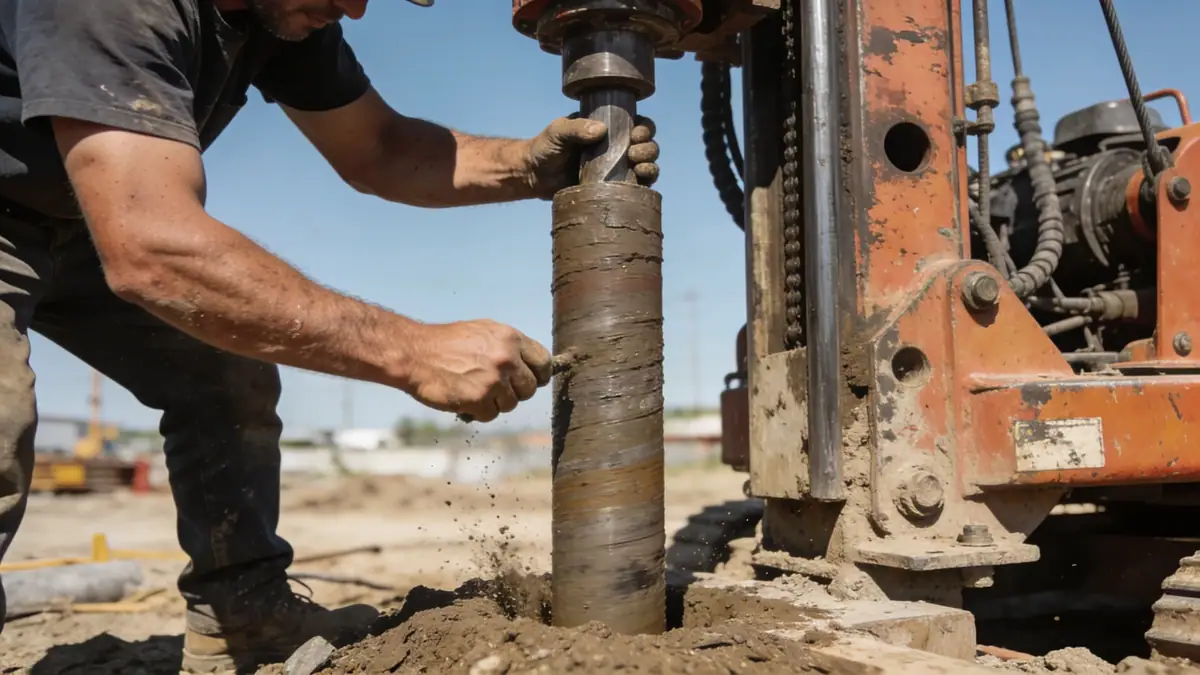
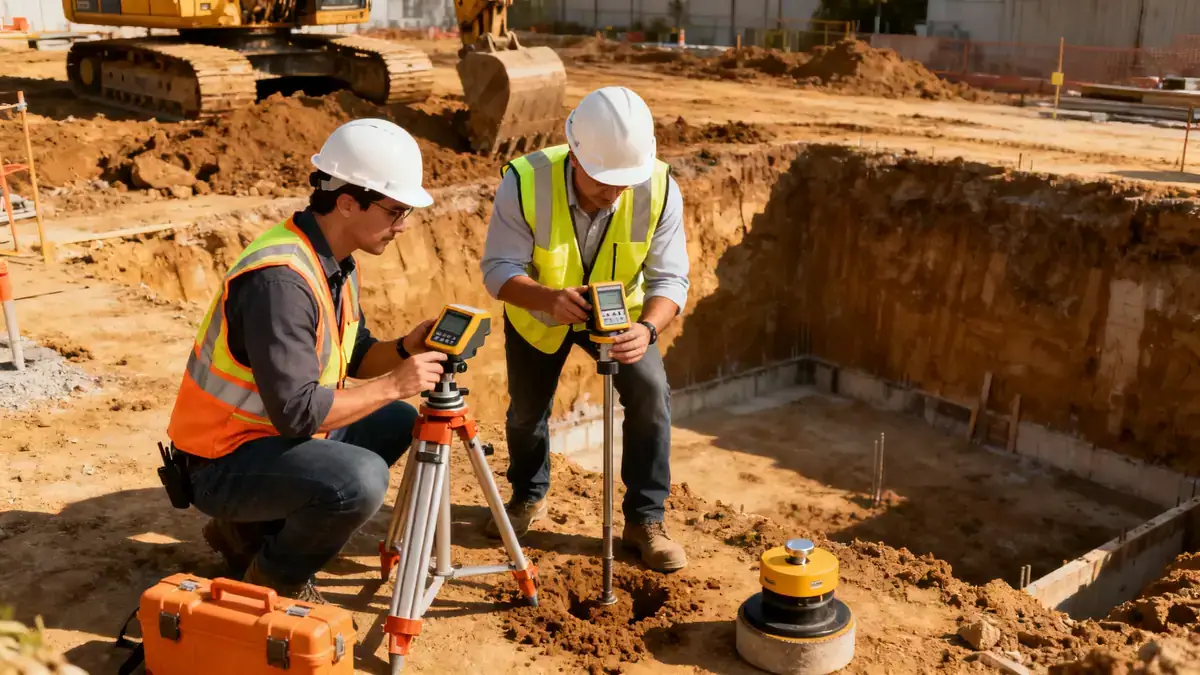
Our methodology for geotechnical engineering in Aurora Illinois integrates field investigation, laboratory testing, and analysis. We perform spt boring per ASTM D1586 at typical depths of 8–15 m for residential projects and up to 30 m for industrial sites, with sampling intervals of 1.0–1.5 m. Soil mechanics laboratory testing includes grain size distribution (ASTM D6913), Atterberg limits, and Proctor compaction (ASTM D698). For slope stability and retaining wall design, we evaluate shear strength via direct shear (ASTM D3080) and consolidation (ASTM D2435). Our approach ensures compliance with local codes and project-specific criteria.
Reference Technical Parameters
| Parameter | Reference Value |
|---|---|
| Predominant soil type | Glacial till (silty clay/clayey silt) with sand and gravel lenses |
| Maximum seismic acceleration (PGA) | 0.15–0.25 g (ASCE 7-22, Site Class C/D) |
| Typical groundwater level | 1.5–4.5 m below ground surface |
| Bedrock depth | 20–60 m (dolomite/shale) |
| Typical N60 range | 10–35 blows/0.3 m (cohesionless); 4–15 blows/0.3 m (cohesive) |
Local Considerations — Aurora Illinois
Aurora's geology is dominated by Wisconsinan glacial deposits, including lacustrine silts and clays along the Fox River floodplain. The western and eastern areas feature thicker till sequences. High groundwater levels (1.5–3 m) require dewatering considerations for excavations. Seismic design per ASCE 7-22 with Site Class C/D is typical, with PGA up to 0.25 g. Our soil mechanics laboratory provides tailored testing for local soils. For regional context, our geotechnical engineering services from Chicago support Aurora projects.
Request a Quote
Our team reviews your project and issues an initial report at no cost.
Or write us directly at [email protected]
Services in Aurora Illinois
Applicable Standards
- ASTM D1586 (Standard Penetration Test)
- ASCE 7-22 (Minimum Design Loads for Buildings)
- IBC 2021 (International Building Code)
- Illinois Department of Transportation (IDOT) Geotechnical Manual
Frequently Asked Questions
What are the typical soil types in Aurora Illinois?
Aurora soils are predominantly glacial till consisting of silty clay and clayey silt with interbedded sand and gravel lenses. Lacustrine deposits occur near the Fox River. These soils have moderate bearing capacity but can be sensitive to moisture changes, requiring careful compaction control.
Is seismic design required for projects in Aurora Illinois?
Yes, Aurora is in a moderate seismic zone per ASCE 7-22. Site-specific ground motion analysis may be required for critical structures. Typical PGA values range from 0.15 to 0.25 g, with Site Class C or D common. Seismic assessments are necessary for buildings in Risk Category II or higher.
Are geotechnical studies mandatory for new construction in Aurora?
While not always legally mandated for small residential projects, the City of Aurora and most lending institutions require a geotechnical report for commercial, industrial, and multi-family developments. Proper soil investigation reduces foundation failure risks and ensures compliance with IBC 2021.