Methodology
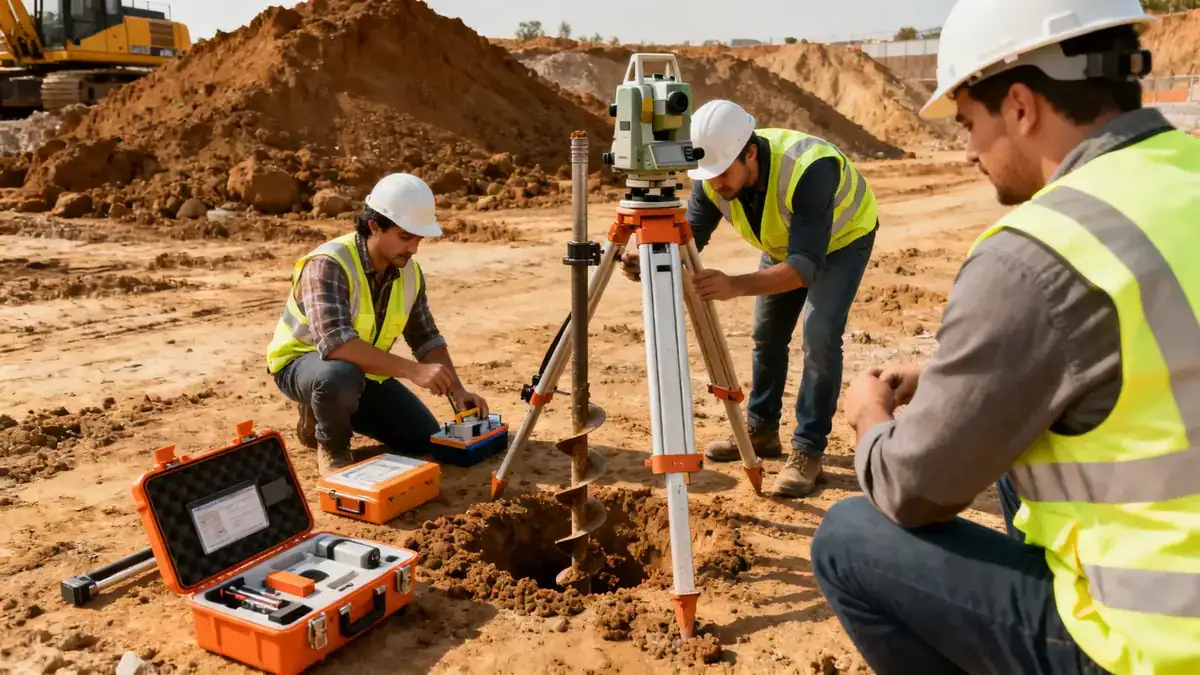
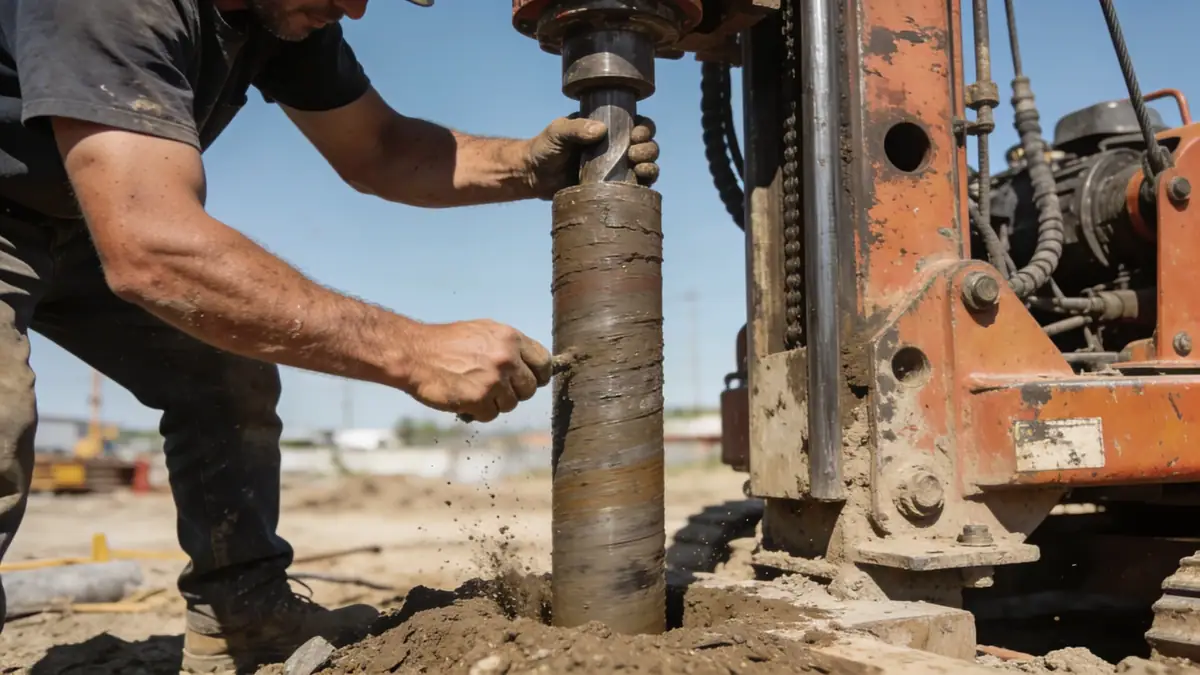
Our approach to geotechnical engineering in Springfield Illinois begins with a thorough review of existing geologic maps and records. We then perform controlled field investigations, including spt boring at strategic locations to obtain soil samples and measure standard penetration resistance (N60) per ASTM D1586. In our soil mechanics laboratory, we classify soils, determine moisture-density relationships (Proctor), and assess strength parameters through direct shear and consolidation tests. This integrated methodology provides a complete subsurface profile, enabling our engineers to develop site-specific foundation recommendations that address bearing capacity, settlement, and seismic design parameters for projects across Springfield.
Reference Technical Parameters
| Parameter | Reference Value |
|---|---|
| Predominant soil type | Glacial till (silty clay with sand and gravel) and loess |
| Maximum seismic acceleration (PGA) | 0.15g to 0.20g per ASCE 7-16 |
| Typical groundwater level | 10 to 25 feet below ground surface |
| Bedrock depth | 100 to 200 feet (Pennsylvanian shale and limestone) |
| Typical N60 range | 8 to 30 blows per foot in till |
Local Considerations — Springfield Illinois
Springfield Illinois lies within the Central Lowland physiographic province, underlain by glacial deposits of the Wisconsinan stage. Loess caps the till in upland areas, while alluvial sediments fill the Sangamon River valley. The region experiences low to moderate seismic hazard, with peak ground accelerations of 0.15–0.20g per ASCE 7-16. Groundwater levels are generally deep but can be shallow near waterways. Foundation designs must account for variable soil stiffness and potential for differential settlement. For regional context, our geotechnical engineering en Chicago team addresses similar glacial conditions but with higher seismic demands and deeper urban fill.
Request a Quote
Our team reviews your project and issues an initial report at no cost.
Or write us directly at [email protected]
Services in Springfield Illinois
Applicable Standards
- ASTM D1586 (Standard Penetration Test)
- ASCE 7-16 (Minimum Design Loads for Buildings and Other Structures)
- International Building Code (IBC) 2021
- Illinois Department of Transportation (IDOT) Geotechnical Manual
Frequently Asked Questions
What are the typical soil conditions for foundation design in Springfield Illinois?
Springfield Illinois soils are predominantly glacial till (silty clay with sand and gravel) capped by loess in uplands. These soils generally offer moderate bearing capacity but can be variable. Deep foundations may be required for heavy loads due to compressible loess or soft alluvial deposits near river valleys.
What seismic design parameters apply to Springfield Illinois?
Per ASCE 7-16, Springfield Illinois has a peak ground acceleration (PGA) of 0.15g to 0.20g for the maximum considered earthquake (MCE). Site class D is typical for glacial till. Seismic design categories range from B to C depending on soil properties and building occupancy.
Are geotechnical investigations mandatory for new construction in Springfield Illinois?
While the International Building Code (IBC) does not explicitly mandate geotechnical investigations for all structures, most local jurisdictions in Illinois require a site-specific soils report for commercial and multi-family projects. The Illinois Department of Transportation (IDOT) also requires subsurface exploration for all public infrastructure projects.