Methodology

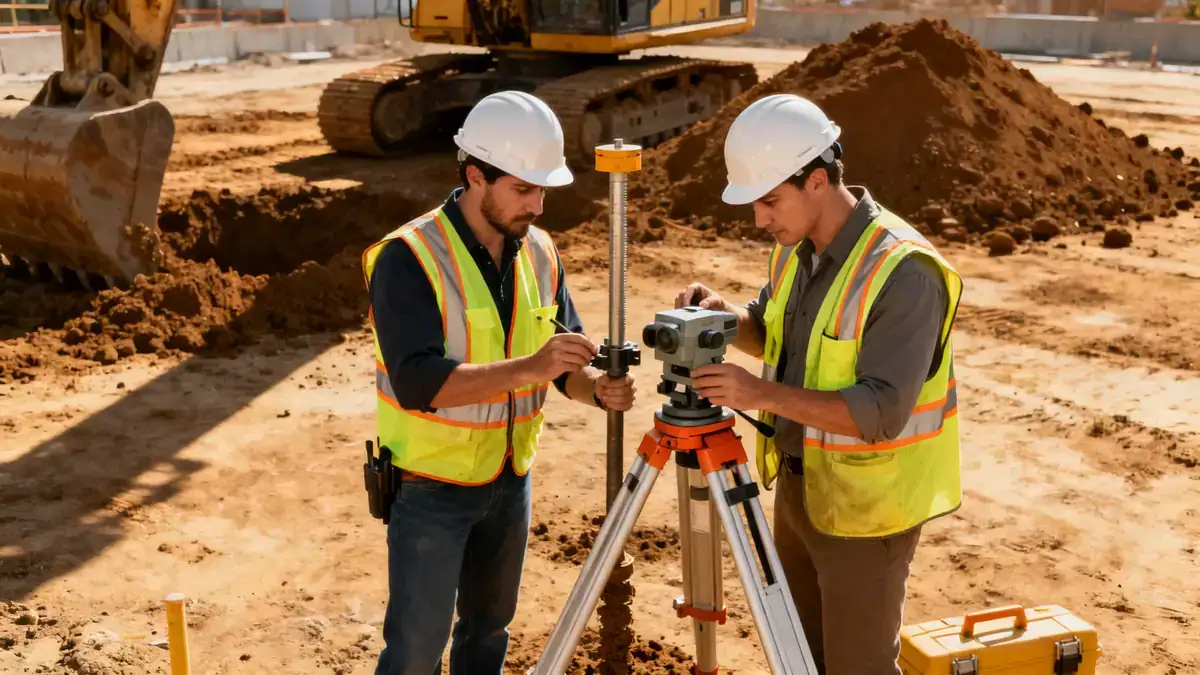
Our approach in Fargo follows a systematic geotechnical investigation protocol. We begin with a thorough review of existing geologic maps and boring logs, followed by field exploration using spt boring to sample soils at regular intervals. Laboratory testing determines index properties, strength, and consolidation characteristics. All procedures adhere to ASTM standards, including ASTM D1586 for SPT and ASTM D2487 for soil classification. Data analysis yields design parameters for bearing capacity, settlement, and seismic site classification.
Reference Technical Parameters
| Parameter | Reference Value |
|---|---|
| Predominant soil type | Lean clay (CL), fat clay (CH), and silty sand (SM) |
| Maximum seismic acceleration (PGA) | 0.15–0.25 g (ASCE 7-16) |
| Typical groundwater level | 2–6 ft below ground surface |
| Bedrock depth | 100–300 ft (buried glacial drift) |
| Typical N60 range | 4–15 blows/ft (clay), 10–30 blows/ft (sand) |
Local Considerations — Fargo
Fargo lies within the Red River Valley, underlain by deep glacial lacustrine deposits of clay and silt. The high water table, often within 2–6 ft of the surface, poses challenges for excavations and foundations. Seismic hazard is low to moderate, with a PGA of 0.15–0.25 g per ASCE 7. Soil variability exists between downtown (fill and sand lenses) and suburban areas (thick clay). Common issues include expansive clays and frost heave. For broader context, our geotechnical engineering en Chicago operations provide analogous expertise in similar glacial terrains.
Request a Quote
Our team reviews your project and issues an initial report at no cost.
Or write us directly at [email protected]
Services in Fargo
Applicable Standards
- ASTM D1586 (Standard Penetration Test)
- ASTM D2487 (Unified Soil Classification System)
- ASCE 7 (Minimum Design Loads for Buildings)
- IBC (International Building Code)
- Fargo Municipal Code (Chapter 20, Building Regulations)
Frequently Asked Questions
What are the typical soil conditions in Fargo?
Fargo soils are primarily glacial lacustrine clays (CL, CH) and silty sands, with high plasticity and low permeability. The water table is shallow, often within 2–6 ft of the surface, requiring careful drainage and foundation design.
Is seismic design required for structures in Fargo?
Yes, per ASCE 7, Fargo falls in Seismic Design Category B to C, with a PGA of 0.15–0.25 g. Site-specific response spectra are recommended for critical structures, though standard code provisions often suffice for typical buildings.
Are geotechnical studies mandatory for construction in Fargo?
The Fargo Building Code requires a geotechnical report for all commercial and multi-family structures. For single-family homes, a report is recommended but not always mandatory, though prudent due to variable soil conditions.