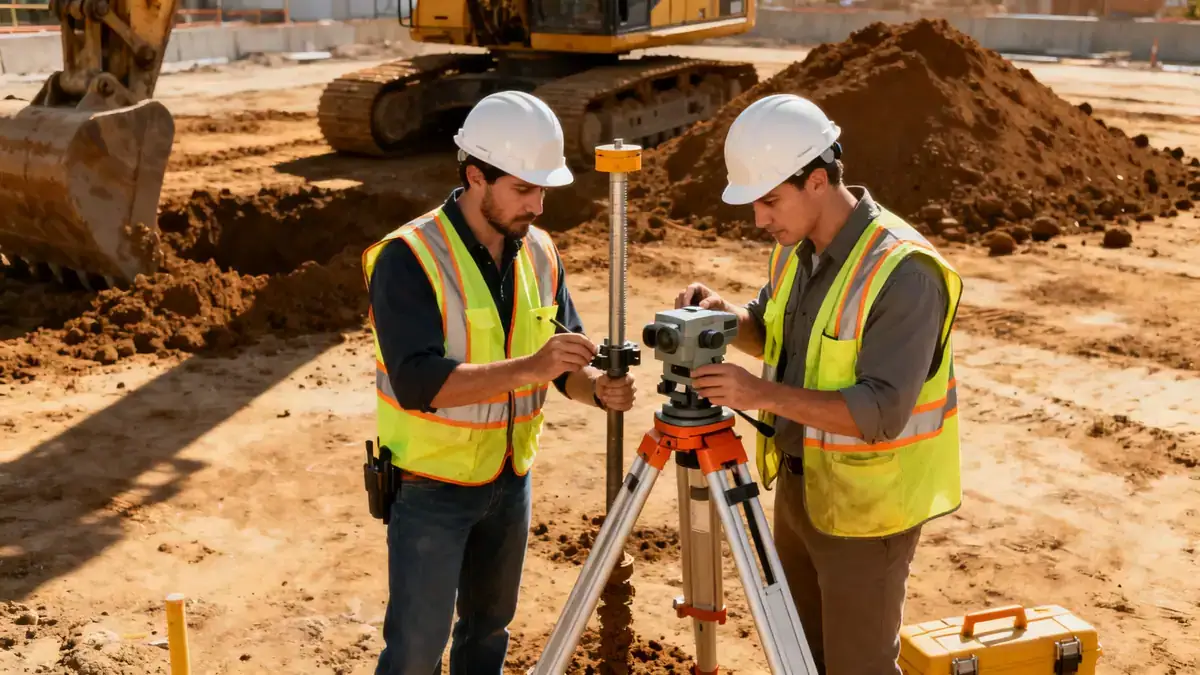
Methodology
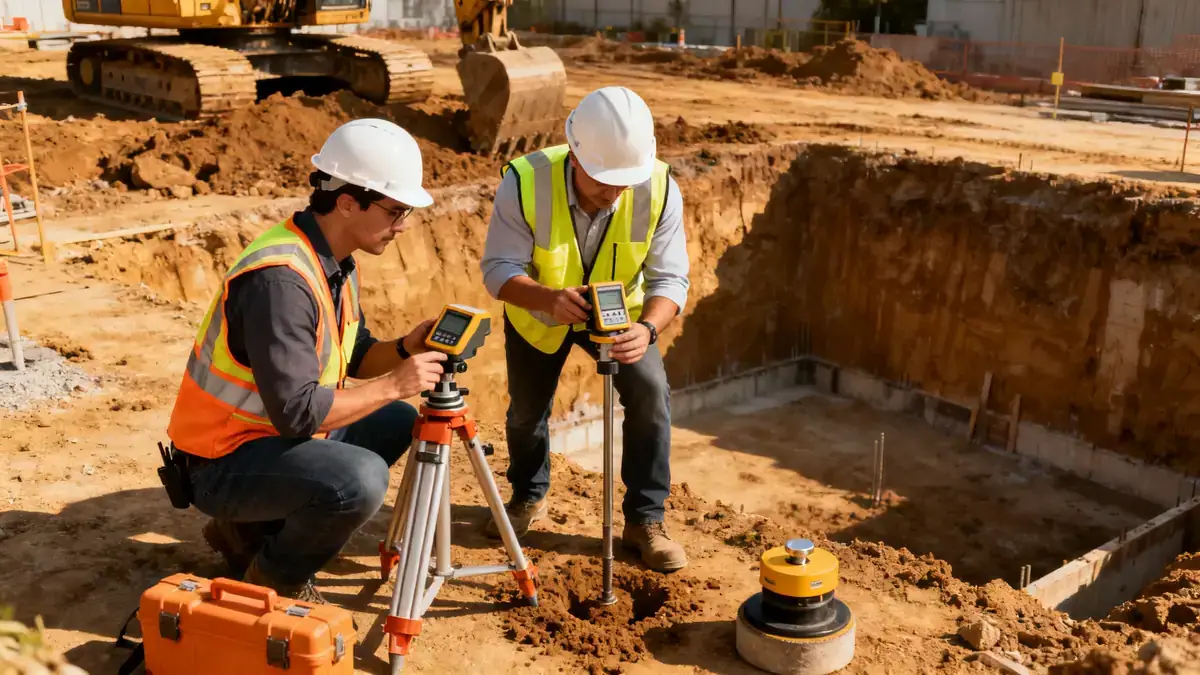
Our approach to geotechnical engineering in Overland Park begins with a comprehensive review of existing geologic maps and nearby project records. We then perform targeted field investigations, including spt boring at depths sufficient to penetrate weathered shale and reach competent bedrock. Soil samples are retrieved for classification and strength testing in our laboratory. Seismic site classification per ASCE 7-16 is determined based on shear wave velocity correlations from SPT N-values. This methodology ensures that our design parameters reflect actual subsurface conditions and comply with local building codes.
Reference Technical Parameters
| Parameter | Reference Value |
|---|---|
| Predominant soil type | Glacial till (silty clay with sand and gravel) |
| Maximum seismic acceleration (PGA) | 0.12g (ASCE 7-16, Site Class C) |
| Typical groundwater level | 10–20 ft below grade |
| Bedrock depth | 30–50 ft (Pennsylvanian shale/limestone) |
| Typical N60 range | 10–30 blows/ft in till; >50 in weathered rock |
Local Considerations — Overland Park
Overland Park lies within the Osage Plains, underlain by glacial till over Pennsylvania bedrock. The till is dense, with moderate plasticity, but can contain cobbles that challenge drilling. Groundwater is generally deep, though perched water may occur after heavy rains. Seismic hazard is low to moderate (PGA 0.12g), but site amplification due to soil stiffness must be evaluated per ASCE 7. For projects requiring deep foundations, our slope stability analyses consider the till's cohesion and friction angle. Nearby excavations and utility trenches should be designed with shoring, as till can stand vertically temporarily but may slough. Our firm coordinates with local geotechnical data from adjacent sites to refine parameters, ensuring cost-effective yet safe designs.
Request a Quote
Our team reviews your project and issues an initial report at no cost.
Or write us directly at [email protected]
Services in Overland Park
Applicable Standards
- ASCE 7-16 (Minimum Design Loads and Associated Criteria for Buildings and Other Structures)
- ASTM D1586 (Standard Test Method for Standard Penetration Test (SPT) and Split-Barrel Sampling of Soils)
- International Building Code (IBC) 2018
Frequently Asked Questions
What are the typical soil conditions found in Overland Park?
Overland Park soils are predominantly glacial till, consisting of silty clay with sand and gravel. This dense till overlies Pennsylvanian shale and limestone bedrock at depths of 30–50 ft. Groundwater is typically deep, but perched water may exist in sandy layers.
Are geotechnical studies required for residential projects in Overland Park?
Yes, most local jurisdictions require a geotechnical report for new residential construction, especially for slab-on-grade or basement foundations. The report must address bearing capacity, settlement, and seismic site classification per ASCE 7, which is adopted by the city.
Does Overland Park have specific seismic design requirements?
Overland Park is in Seismic Design Category B per ASCE 7-16, with a mapped PGA of 0.12g. Site-specific seismic analysis is not typically required for standard structures, but soil amplification must be considered for Site Class D or E soils, which may necessitate a site response analysis.