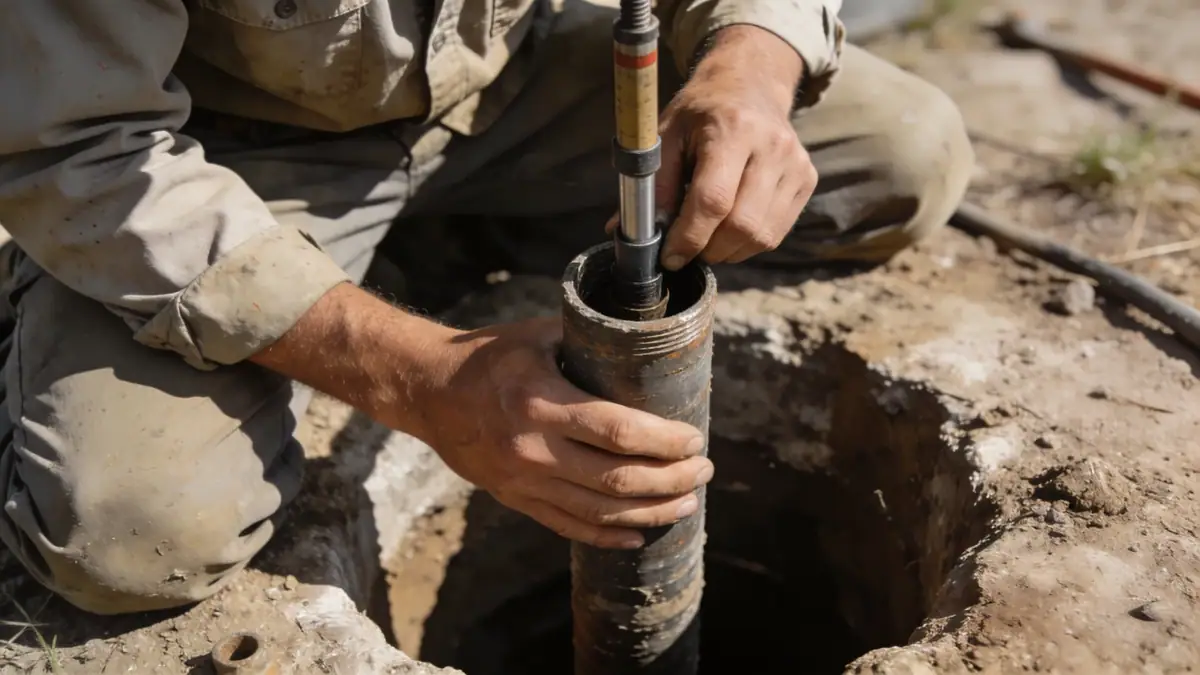
Methodology
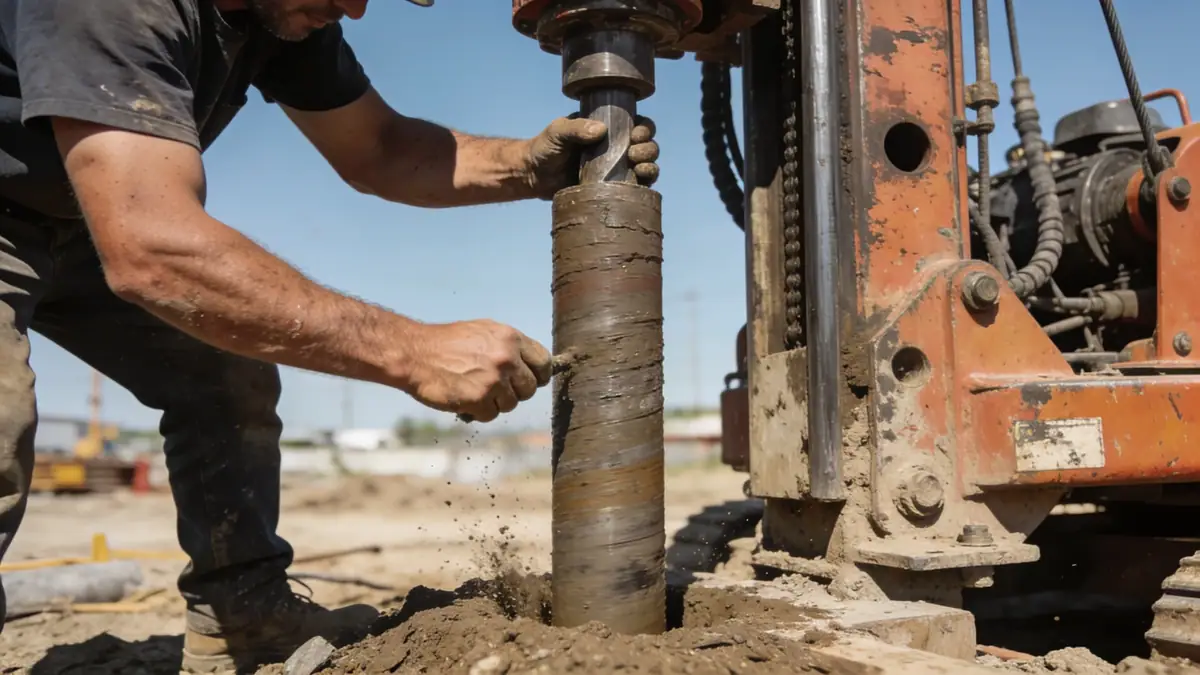
Our methodology for Detroit projects follows a systematic approach tailored to the city's geological framework. We begin with a comprehensive desk study of existing borehole data and geological maps, then conduct field investigations using spt boring to obtain undisturbed samples and in-situ strength parameters. Laboratory testing includes index properties, consolidation, and direct shear to characterize compressibility and shear strength. For seismic design, we evaluate site class per ASCE 7 based on shear wave velocity profiles. All work adheres to ASTM D1586 for SPT and ASTM D2487 for soil classification, ensuring data consistency and regulatory compliance.
Reference Technical Parameters
| Parameter | Reference Value |
|---|---|
| Predominant Soil Type | Glacial till and lacustrine clay |
| Typical Groundwater Depth | 3–6 m below grade |
| Bedrock Depth | 20–40 m (Devonian limestone/shale) |
| Maximum Seismic Acceleration (PGA) | 0.10–0.15 g (ASCE 7 Site Class D) |
| Typical N60 Range (SPT) | 5–30 blows/ft (clay to dense till) |
Local Considerations — Detroit
Detroit's geology presents unique challenges due to its glacial history. The city sits atop thick sequences of lacustrine clay (soft to stiff) interbedded with glacial till and outwash sands. The water table is shallow in many areas (3–6 m), requiring dewatering considerations for deep excavations. Liquefaction potential is low due to fine-grained soils, but settlement in soft clays is a primary concern. Urban fill from industrial history adds variability. For projects near the Detroit River, scour and erosion must be assessed. Our team integrates these factors with local building codes and references soil mechanics laboratory for advanced testing. For broader regional context, compare with geotechnical engineering en Chicago.
Request a Quote
Our team reviews your project and issues an initial report at no cost.
Or write us directly at [email protected]
Services in Detroit
Applicable Standards
- ASTM D1586
- ASCE 7
- International Building Code (IBC)
- Michigan Building Code
Frequently Asked Questions
What soil types are commonly encountered in Detroit?
Detroit's subsurface is dominated by glacial deposits: soft to stiff lacustrine clays, dense glacial tills, and stratified sands/gravels. Bedrock (Devonian limestone/shale) lies at depths of 20–40 m. Urban fill from past industrial activities is also common.
Is seismic design required for Detroit projects?
Yes, per ASCE 7 and the Michigan Building Code. Detroit falls in Seismic Design Category B or C depending on site class. Peak ground accelerations range from 0.10 to 0.15 g, requiring site-specific response spectra for critical structures.
Are geotechnical studies mandatory for all construction in Detroit?
While not explicitly required for all minor projects, the Michigan Building Code mandates geotechnical investigations for most commercial and multi-family buildings. Local jurisdictions often require soil reports for permit approval, especially in areas with known soft soils or high water tables.