Methodology
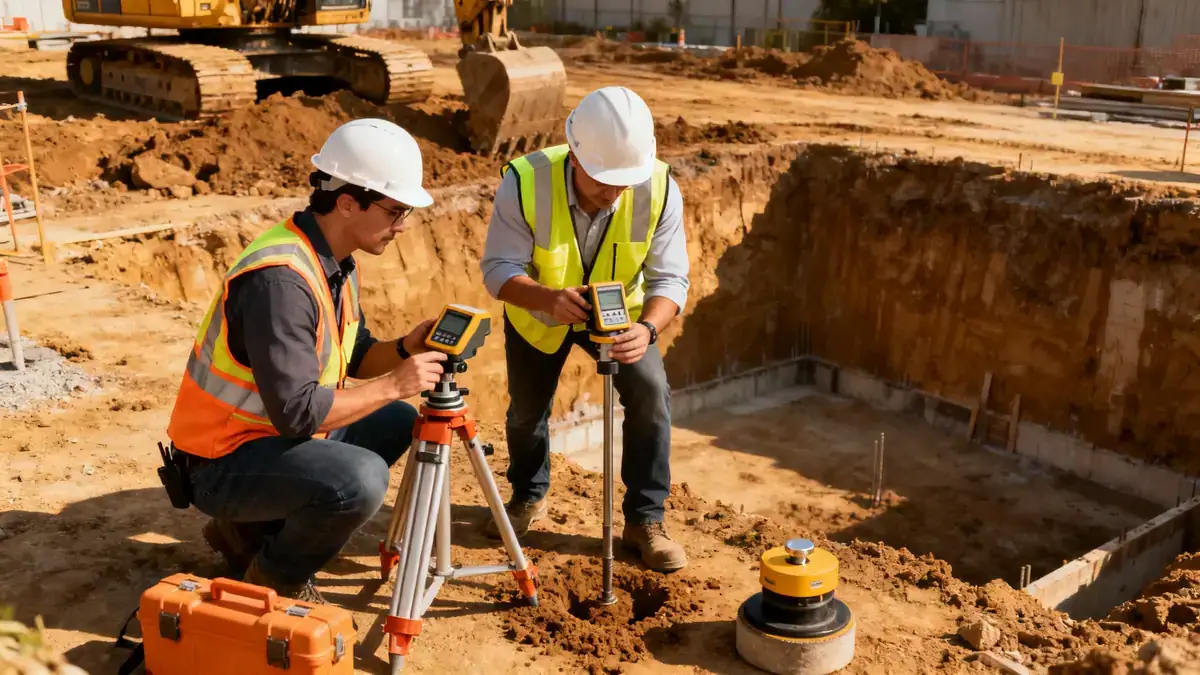
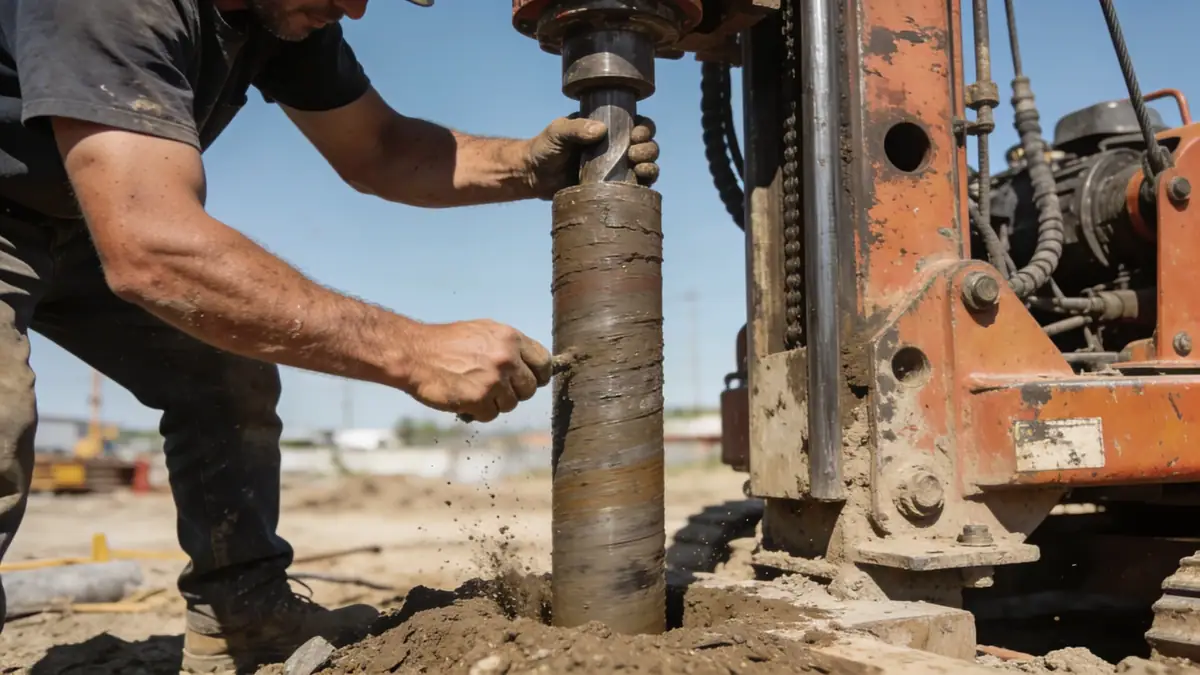
Our methodology integrates standard penetration testing (SPT) per ASTM D1586 with advanced laboratory analyses. We execute borings to depths of 6 to 30 meters, recovering disturbed and undisturbed samples for classification, strength, and consolidation testing. Geophysical surveys complement direct investigation, delineating stratigraphy and groundwater conditions. This comprehensive approach, detailed in our spt boring services, yields reliable parameters for foundation design and slope stability assessments.
Reference Technical Parameters
| Parameter | Reference Value |
|---|---|
| Predominant Soil Type | Glacial till, sand, and gravel |
| Maximum Seismic Acceleration (PGA) | 0.07g to 0.14g (ASCE 7-16) |
| Typical Groundwater Level | 3 to 8 meters below grade |
| Bedrock Depth | 20 to 50 meters (Devonian limestone) |
| Typical N60 Range (SPT) | 10 to 50 blows/0.3m |
Local Considerations — Grand Rapids
Grand Rapids' geology is dominated by glacial till and outwash deposits from the Wisconsin glaciation, with variable layers of sand, gravel, and clay. The water table fluctuates seasonally, often encountered at depths of 3 to 8 m. Seismic hazard is moderate per ASCE 7-16, with PGA up to 0.14g. Urban areas often feature fill and previous construction debris. Our soil mechanics laboratory provides essential data for design. For regional context, our geotechnical engineering in Chicago expertise informs similar glacial settings.
Request a Quote
Our team reviews your project and issues an initial report at no cost.
Or write us directly at [email protected]
Services in Grand Rapids
Applicable Standards
- ASTM D1586 (Standard Penetration Test)
- ASCE 7-16 (Minimum Design Loads and Associated Criteria for Buildings)
- Michigan Building Code (IBC 2018-based)
- ASTM D2487 (Classification of Soils for Engineering Purposes)
- ASTM D422 (Particle-Size Analysis of Soils)
Frequently Asked Questions
What are the typical soil conditions for geotechnical engineering in Grand Rapids?
The area is underlain by glacial till, sand, and gravel from Pleistocene glaciation. Soils are generally dense to very dense, with occasional soft clay lenses. Groundwater is typically shallow, requiring dewatering considerations for excavations.
How are seismic loads addressed in Grand Rapids geotechnical design?
Per ASCE 7-16, Grand Rapids falls in Seismic Design Category B. Peak ground acceleration (PGA) ranges 0.07g to 0.14g. We evaluate liquefaction potential and site class effects per code, incorporating these into foundation and retaining wall designs.
Are geotechnical studies mandatory for construction in Grand Rapids?
The Michigan Building Code requires a geotechnical investigation for most commercial and multi-family structures. Single-family homes may be exempt, but a site-specific study is recommended for problematic soils or expansive clays to avoid differential settlement.