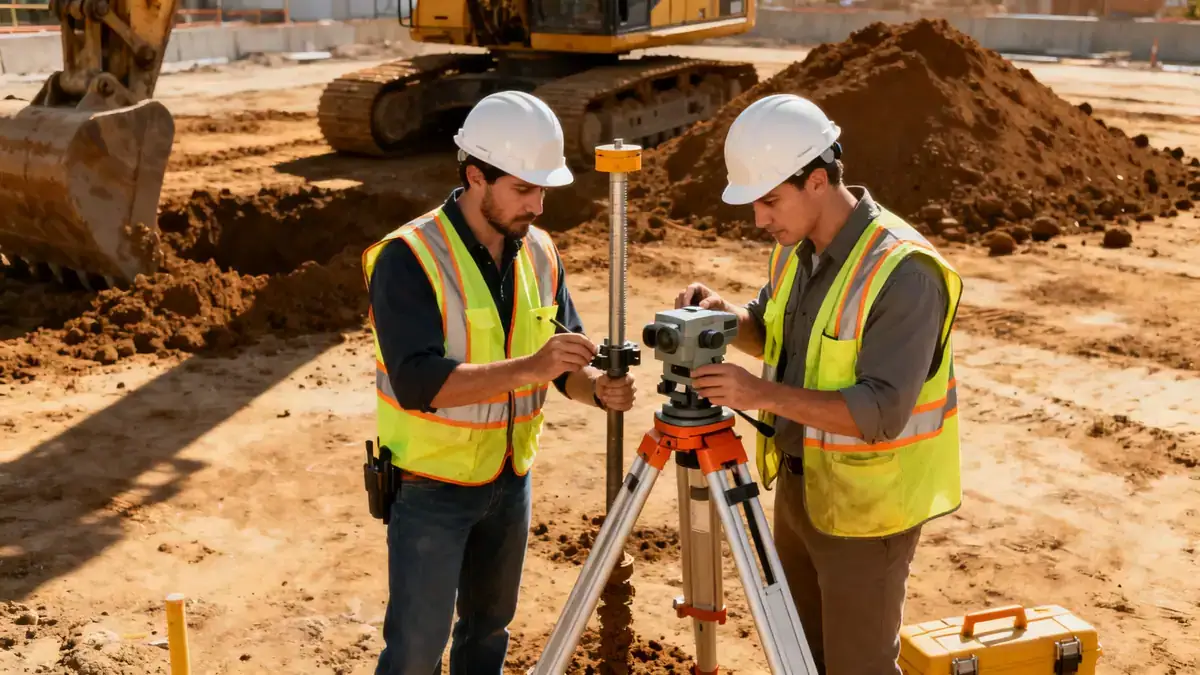
Methodology
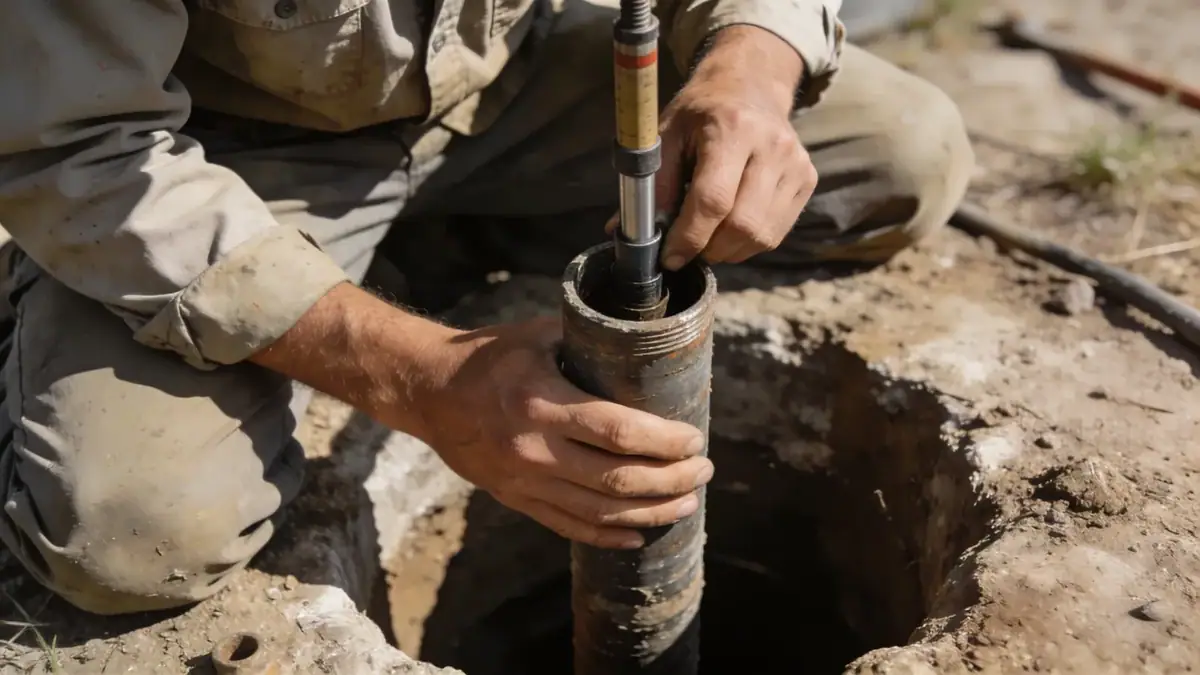
Our methodology for geotechnical engineering in Akron begins with a thorough review of existing geologic maps and records. We then conduct field investigations, including spt boring to characterize soil strata and groundwater conditions. Laboratory testing on recovered samples, such as grain size analysis and Atterberg limits, follows ASTM standards. Data interpretation leads to foundation recommendations and seismic site classification per ASCE 7. This systematic approach ensures reliable results for projects in Akron.
Reference Technical Parameters
| Parameter | Reference Value |
|---|---|
| Predominant soil type | Glacial till, outwash sand and gravel, lacustrine clay |
| Maximum seismic acceleration (PGA) | 0.13–0.22 g (per ASCE 7 hazard maps) |
| Typical groundwater level | 3–10 ft below ground surface |
| Bedrock depth | 50–200 ft (shale and sandstone) |
| Typical N60 range (SPT) | 6–40 blows/ft (varies with soil type) |
Local Considerations — Akron
Akron’s geology is dominated by glacial deposits overlying sedimentary bedrock. Soils vary widely: stiff till in upland areas, loose sands and gravels in valley fills, and compressible clays near the Cuyahoga River. Groundwater is often shallow in low-lying zones, requiring dewatering for excavations. Seismic site classification (Site Class C or D per ASCE 7) is essential for design. Local experience is critical—our team has worked across Akron’s neighborhoods, from downtown high-rises to suburban developments. For broader context, see our geotechnical engineering in Chicago.
Request a Quote
Our team reviews your project and issues an initial report at no cost.
Or write us directly at [email protected]
Services in Akron
Applicable Standards
- ASTM D1586 (Standard Test Method for SPT)
- ASTM D2487 (Unified Soil Classification System)
- ASCE 7 (Minimum Design Loads for Buildings and Other Structures)
- International Building Code (IBC) – Akron amendments
- ASTM D698 (Standard Proctor Compaction)
Frequently Asked Questions
What are the typical soil conditions for geotechnical engineering in Akron?
Soils in Akron are primarily glacial till, outwash sands and gravels, and lacustrine clays. Bedrock (shale and sandstone) lies at depths of 50–200 ft. Groundwater is often shallow in low areas. These conditions require careful site-specific investigation for foundation design.
Does Akron have seismic design requirements?
Yes, Akron is in a moderate seismic zone per the IBC and ASCE 7. Peak ground acceleration ranges from 0.13–0.22 g. Site classification (C or D) and seismic design categories are determined from subsurface data, affecting foundation and structural design.
Are geotechnical investigations mandatory for construction in Akron?
While not always required for minor projects, most commercial and residential developments in Akron benefit from geotechnical studies to mitigate risks. Local building officials often recommend or require reports for permitting, especially in areas with variable soil or high groundwater.