Methodology
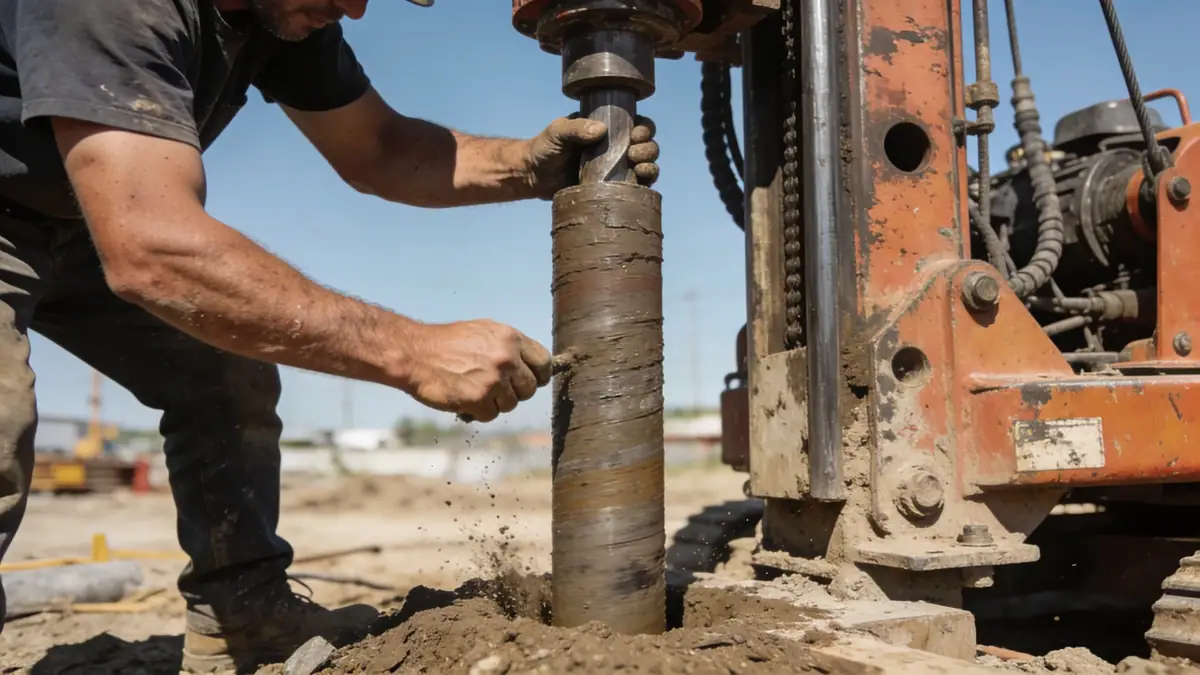
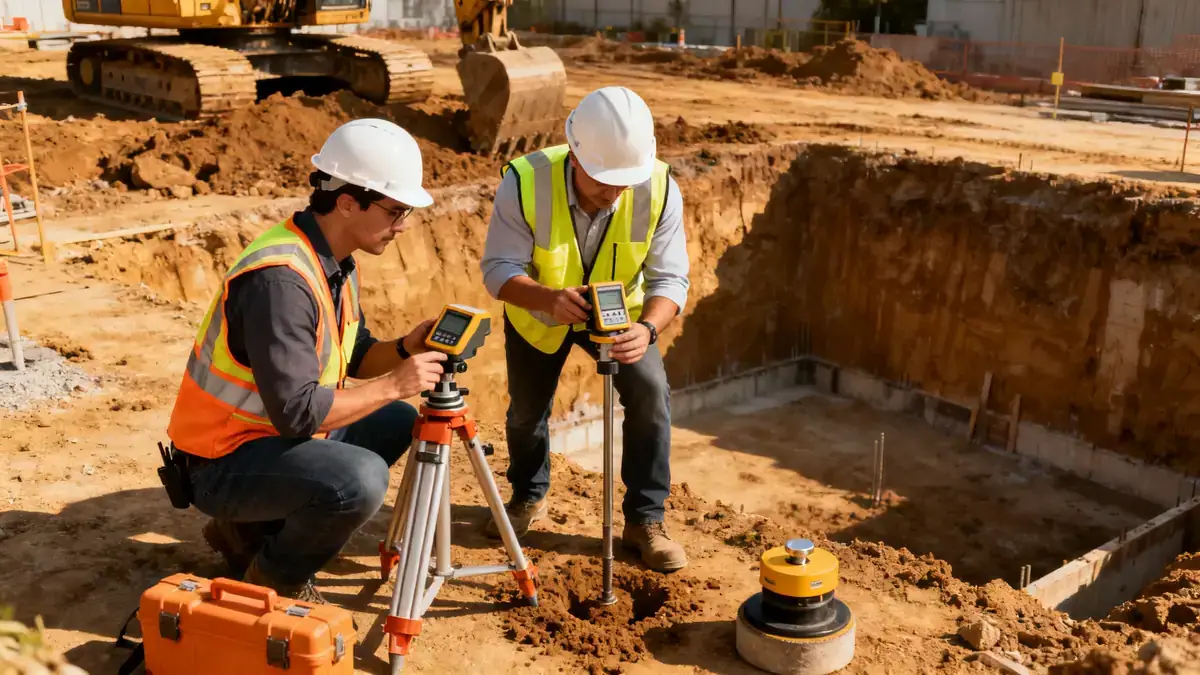
Our geotechnical approach in Cincinnati integrates standard penetration testing (SPT) and laboratory analyses following ASTM D1586 to characterize soil profiles. We employ spt boring at regular intervals to obtain representative samples and measure N-values for bearing capacity assessments. Advanced laboratory testing on retrieved specimens determines index properties, strength parameters, and consolidation characteristics. This data informs our engineering evaluations for shallow and deep foundations, earthwork, and slope stability. Our methodology ensures compliance with local regulations and provides clients with actionable recommendations tailored to site-specific conditions.
Reference Technical Parameters
| Parameter | Reference Value |
|---|---|
| Predominant soil type | Glacial till (clay, silt, sand, gravel) over limestone/shale bedrock |
| Maximum seismic acceleration (PGA) | 0.15g (ASCE 7-16, Site Class D) |
| Typical groundwater level | 3–9 m below ground surface |
| Bedrock depth | Varies from 0 m (outcrop) to 30 m in buried valleys |
| Typical N60 range (SPT) | 10–30 blows/0.3 m in till; 50+ in bedrock |
Local Considerations — Cincinnati
Cincinnati's geology is dominated by glacial tills deposited during the Pleistocene, underlain by Ordovician limestone and shale. The region experiences low to moderate seismicity, with peak ground accelerations around 0.15g per ASCE 7-16. Groundwater levels fluctuate seasonally, typically encountered between 3 and 9 m depth. Buried valleys incised into bedrock can create abrupt variations in soil thickness, requiring careful site characterization. Our team routinely performs slope stability analyses for hillside developments and designs retaining walls to manage cut-and-fill operations. For clients seeking regional expertise, we coordinate with our geotechnical engineering in Chicago office to leverage broader Midwestern experience.
Request a Quote
Our team reviews your project and issues an initial report at no cost.
Or write us directly at [email protected]
Services in Cincinnati
Applicable Standards
- ASTM D1586 (Standard Penetration Test)
- ASCE 7-16 (Minimum Design Loads for Buildings)
- Ohio Building Code (OBC) Chapter 18
- ASTM D2487 (Unified Soil Classification System)
- ASTM D1883 (California Bearing Ratio)
Frequently Asked Questions
What are the typical soil conditions for foundation design in Cincinnati?
Cincinnati's soils are predominantly glacial tills consisting of clay, silt, sand, and gravel mixtures. These soils generally provide moderate bearing capacity, but variations due to buried valleys and bedrock depth require site-specific investigations. Laboratory testing for strength and consolidation is recommended for proper foundation design.
Is seismic design required for structures in Cincinnati?
Yes, the Ohio Building Code adopts ASCE 7 seismic provisions. Cincinnati falls within Seismic Design Category B to C, with peak ground accelerations up to 0.15g. Site-specific soil factors can amplify ground motion, so geotechnical reports must include seismic site classification and liquefaction potential assessments.
Are geotechnical investigations mandatory for residential construction in Cincinnati?
While not always required by code for single-family homes, geotechnical investigations are strongly recommended to identify soil bearing capacity, groundwater conditions, and potential shrink-swell behavior. Many local jurisdictions require a geotechnical report for permits involving foundations in questionable soil or steep slopes.