Methodology
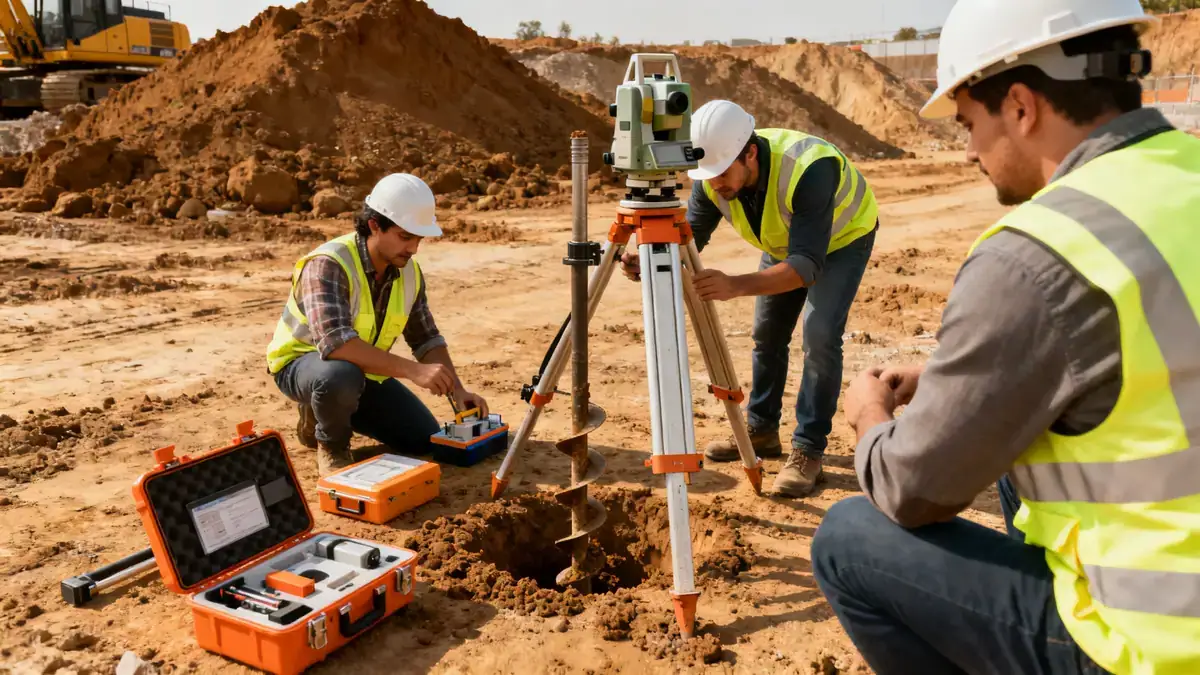
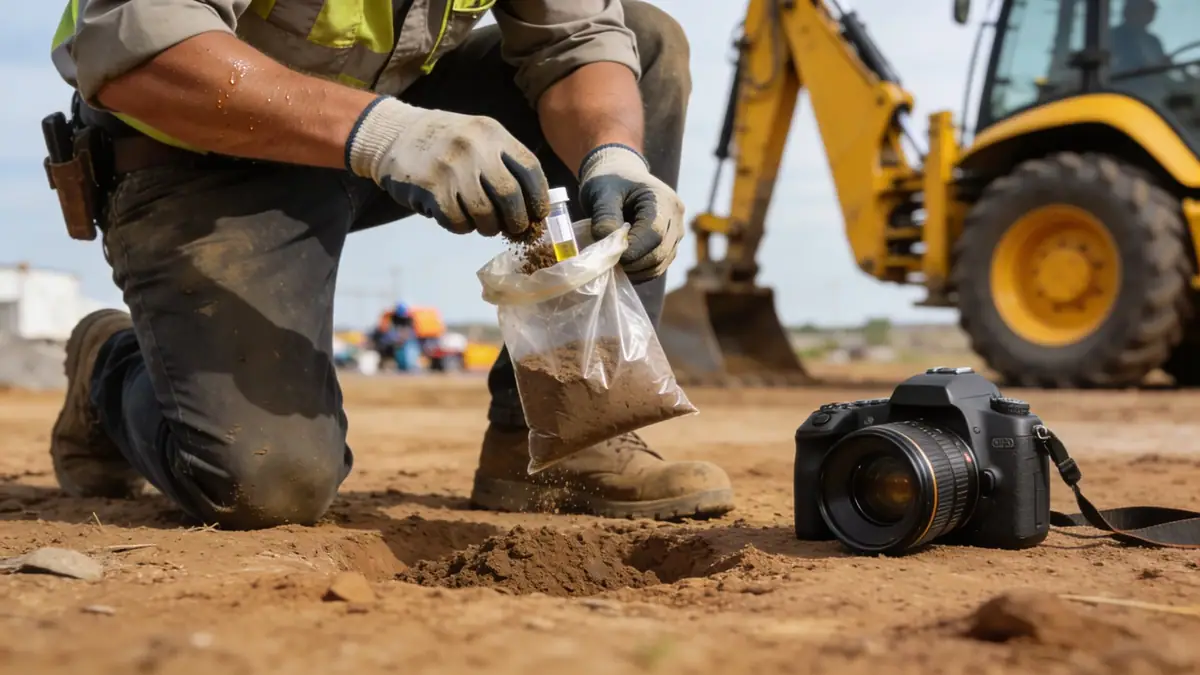
Our methodology for geotechnical engineering in Sioux City begins with a thorough desk study of existing geologic maps and boring logs. We then conduct field investigations including spt boring to characterize subsurface stratigraphy. Soil samples are tested in our accredited laboratory for index properties, strength, and consolidation parameters. Seismic site classification per ASCE 7-16 is performed using shear wave velocity measurements or N60 correlations. All data is integrated into a geotechnical model that supports foundation design, slope stability analysis, and earthwork recommendations. Our approach complies with ASTM D1586 for SPT and ASTM D2487 for soil classification.
Reference Technical Parameters
| Parameter | Reference Value |
|---|---|
| Predominant soil type | Silty clay to sandy silt, with occasional gravel layers |
| Maximum seismic acceleration (PGA) | 0.15g to 0.20g (ASCE 7-16, Site Class D) |
| Typical groundwater level | 3 to 8 meters below ground surface, varies with season |
| Bedrock depth | 30 to 50 meters (Pierre Shale or Dakota Sandstone) |
| Typical N60 range | 5 to 30 blows per 0.3 m in alluvial deposits |
Local Considerations — Sioux City
Sioux City's geology is dominated by the Missouri River floodplain and the adjacent Loess Hills. The floodplain consists of soft alluvial clays and silts with high compressibility and shallow groundwater, often requiring deep foundations or ground improvement. In contrast, the Loess Hills feature wind-deposited silt (loess) that is collapsible when saturated, demanding careful moisture control during construction. Seismic hazard is moderate, with peak ground accelerations of 0.15–0.20g per ASCE 7-16. Our team has extensive experience navigating these contrasts, from riverfront developments to hillside subdivisions. For projects outside this region, our geotechnical engineering en Chicago team provides similar expertise.
Request a Quote
Our team reviews your project and issues an initial report at no cost.
Or write us directly at [email protected]
Services in Sioux City
Applicable Standards
- ASTM D1586 - Standard Test Method for Standard Penetration Test
- ASTM D2487 - Standard Practice for Classification of Soils
- ASCE 7-16 - Minimum Design Loads for Buildings and Other Structures
- IBC 2021 - International Building Code
- OSHA 29 CFR 1926 Subpart P - Excavations
Frequently Asked Questions
What are the typical soil conditions in Sioux City?
Soils vary from soft alluvial clays and silts near the Missouri River to collapsible loess in the Loess Hills. Groundwater is shallow in the floodplain, and bedrock lies at depths of 30–50 meters. These conditions require site-specific investigation for safe foundation design.
Is a geotechnical study mandatory for construction in Sioux City?
While not always legally required for all projects, most local building departments and lending institutions strongly recommend or require a geotechnical report. For commercial structures and multi-family dwellings, it is typically mandatory to comply with IBC 2021 and ASCE 7-16 seismic provisions.
How does seismic hazard affect foundation design in Sioux City?
Sioux City is in Seismic Design Category C per ASCE 7-16, with PGA values of 0.15–0.20g. Foundations must be designed for potential liquefaction in loose sands and for soil amplification effects. Site-specific response spectra may be needed for critical structures.