Methodology
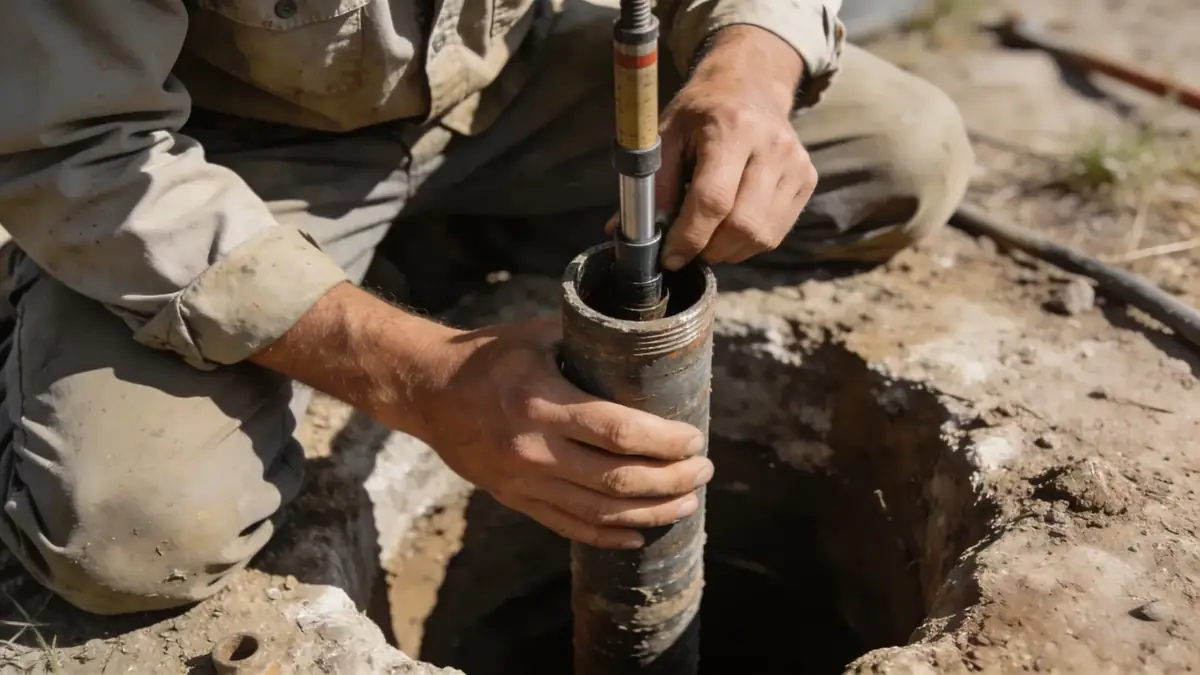
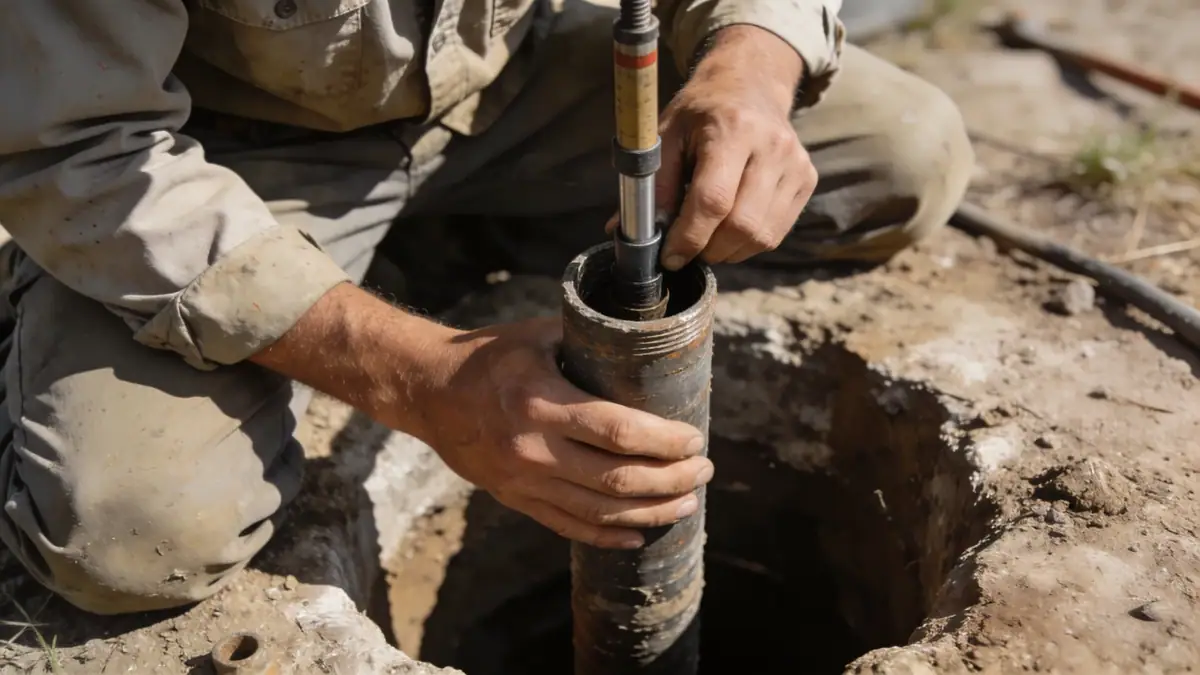
Our firm employs a systematic approach to geotechnical engineering in Minneapolis, beginning with a thorough review of existing geological data and site history. Field investigations include spt boring to retrieve disturbed and undisturbed samples, complemented by laboratory testing in our soil mechanics laboratory. We follow ASTM D1586 for standard penetration tests, ensuring consistent data on soil density and strength. Subsurface conditions are modeled using industry-standard software, and recommendations are developed with consideration of local building codes and seismic requirements. Our methodology integrates site-specific parameters to provide reliable foundation and earthwork designs.
Reference Technical Parameters
| Parameter | Reference Value |
|---|---|
| Predominant soil type | Glacial till (silty clay with sand and gravel) |
| Maximum seismic acceleration (PGA) | 0.15 g (ASCE 7-16, Site Class D) |
| Typical groundwater level | 3 to 6 meters below grade |
| Bedrock depth | 15 to 30 meters (Platteville Formation) |
| Typical N60 range (SPT) | 10 to 40 blows per 0.3 m |
Local Considerations — Minneapolis
Minneapolis's soil profile is dominated by glacial till, which can contain boulders and cobbles, complicating drilling and excavation. The Mississippi River and its tributaries create variable groundwater conditions, often requiring dewatering for deep excavations. Seismic design per ASCE 7-16 is essential, with Site Class D prevailing. Neighborhoods like downtown and near the river have deeper bedrock, while western suburbs may have shallower limestone. Common projects include high-rise foundations requiring deep piles or caissons, and residential developments needing shallow foundations on compacted fill. Our team also coordinates with local permitting agencies on slope stability assessments for riverbank developments.
Request a Quote
Our team reviews your project and issues an initial report at no cost.
Or write us directly at [email protected]
Services in Minneapolis
Applicable Standards
- ASTM D1586 (Standard Penetration Test)
- ASCE 7-16 (Minimum Design Loads for Buildings and Other Structures)
- Minneapolis Building Code (Chapter 18: Soils and Foundations)
- Minnesota Department of Transportation (MnDOT) Geotechnical Manual
Frequently Asked Questions
What are the typical soil conditions for geotechnical projects in Minneapolis?
Minneapolis soils primarily consist of glacial till—a mixture of clay, silt, sand, and gravel—with occasional boulders. Lacustrine deposits and alluvium near rivers are also common. Groundwater is typically shallow, between 3 and 6 meters deep, requiring careful management for excavations.
What seismic code requirements apply to geotechnical engineering in Minneapolis?
Minneapolis falls under ASCE 7-16 Seismic Design Category B with a peak ground acceleration of 0.15 g for Site Class D. The Minneapolis Building Code adopts the International Building Code with amendments, mandating site-specific seismic hazard analyses for critical structures.
Is a geotechnical investigation mandatory for construction projects in Minneapolis?
Yes, the Minneapolis Building Code requires a geotechnical investigation for most buildings, especially those with significant loads, deep foundations, or on sites with known soil issues. The investigation must include soil borings, laboratory testing, and engineering recommendations.