Methodology
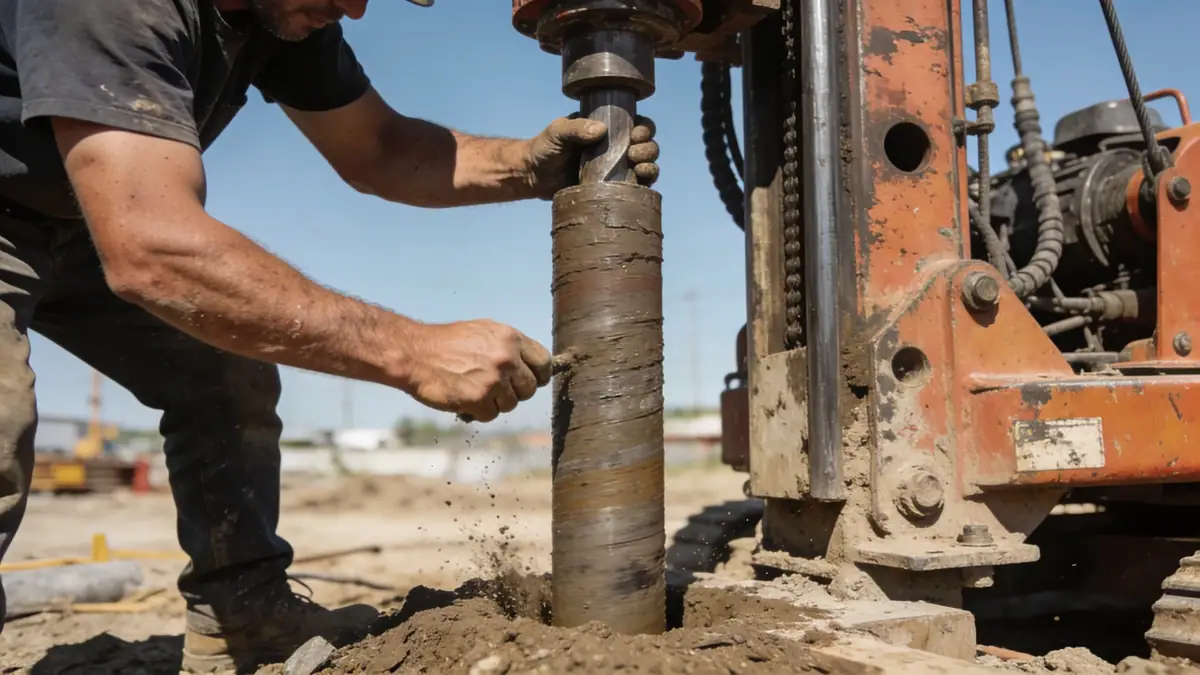
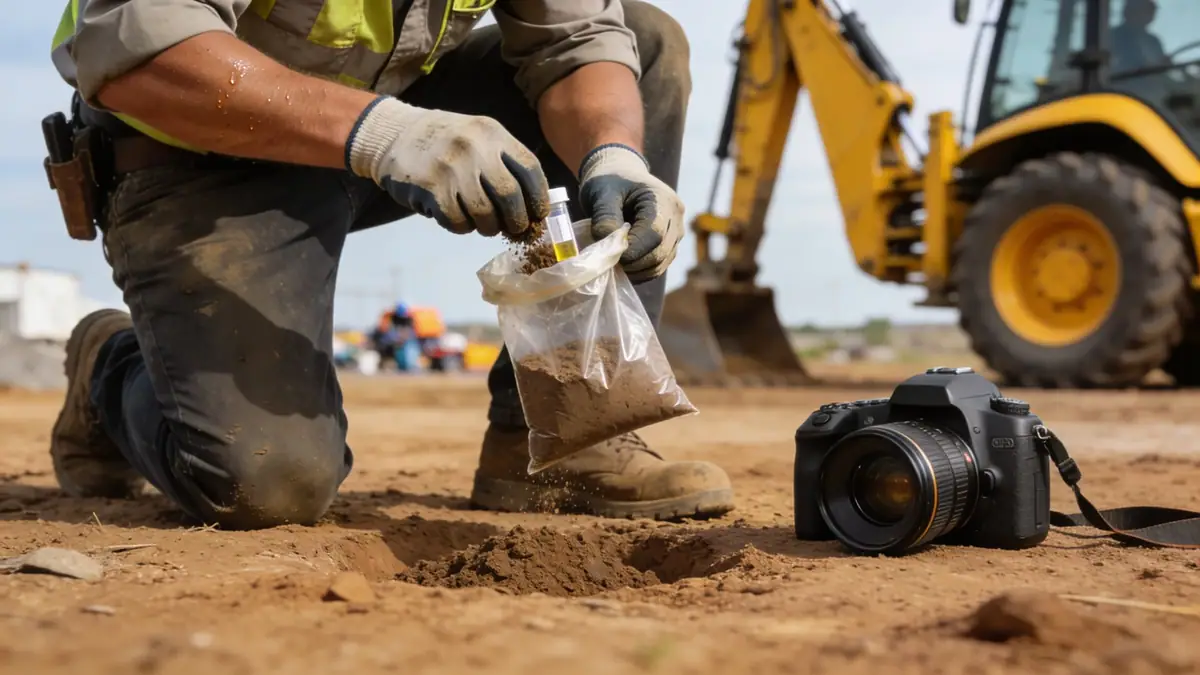
Our methodology in Madison begins with a thorough review of existing geological data and follows ASTM D1586 for standard penetration testing (SPT) to assess subsurface conditions. We integrate spt boring with laboratory testing of soil mechanics to determine strength and consolidation parameters. Field investigations are tailored to site-specific risks, such as shallow bedrock or high water tables, ensuring that our recommendations align with local practice and national standards.
Reference Technical Parameters
| Parameter | Reference Value |
|---|---|
| Predominant soil type | Glacial till (silty clay with sand and gravel) |
| Maximum seismic acceleration (PGA) | 0.10–0.15 g (ASCE 7) |
| Typical groundwater level | 3–8 ft below ground surface |
| Bedrock depth | Variable, 30–100+ ft (dolomite/limestone) |
| Typical N60 range | 10–30 blows/ft (cohesive soils) |
Local Considerations — Madison
Madison's geology is dominated by glacial till overlying Paleozoic dolomite and sandstone, with variable thickness and localized sandy lenses. The city's numerous lakes create high groundwater levels, requiring dewatering considerations for excavations. Seismic hazard is moderate, with PGA values up to 0.15 g per ASCE 7, influencing design for critical structures. Neighborhoods near the Isthmus often encounter shallow bedrock, while suburban areas may have deeper deposits. Typical challenges include expansive clays and settlement risks in fill areas. For regional context, our geotechnical engineering en Chicago team provides adjacent market insights.
Request a Quote
Our team reviews your project and issues an initial report at no cost.
Or write us directly at [email protected]
Services in Madison
Applicable Standards
- ASTM D1586 (Standard Penetration Test)
- ASCE 7 (Minimum Design Loads for Buildings)
- IBC (International Building Code)
- Wisconsin Administrative Code (Comm 21–25)
Frequently Asked Questions
What soil types are common in Madison for geotechnical projects?
Madison's subsurface primarily consists of glacial till—a mix of silty clay, sand, and gravel—overlying dolomite bedrock. Localized deposits of outwash sand and lacustrine clays also occur near lakes, requiring careful evaluation for foundations.
How does seismic activity affect geotechnical design in Madison?
Madison lies in a moderate seismic zone per ASCE 7, with a maximum considered earthquake PGA of 0.10–0.15 g. This influences site class determination and liquefaction potential analysis, especially in loose saturated sands near water bodies.
Are geotechnical studies mandatory for construction in Madison?
Yes, most commercial and multi-family projects require a geotechnical investigation per the IBC and Wisconsin Administrative Code. Single-family homes may be exempt, but soil testing is recommended to address expansive soils and frost depth (42 inches).