Methodology
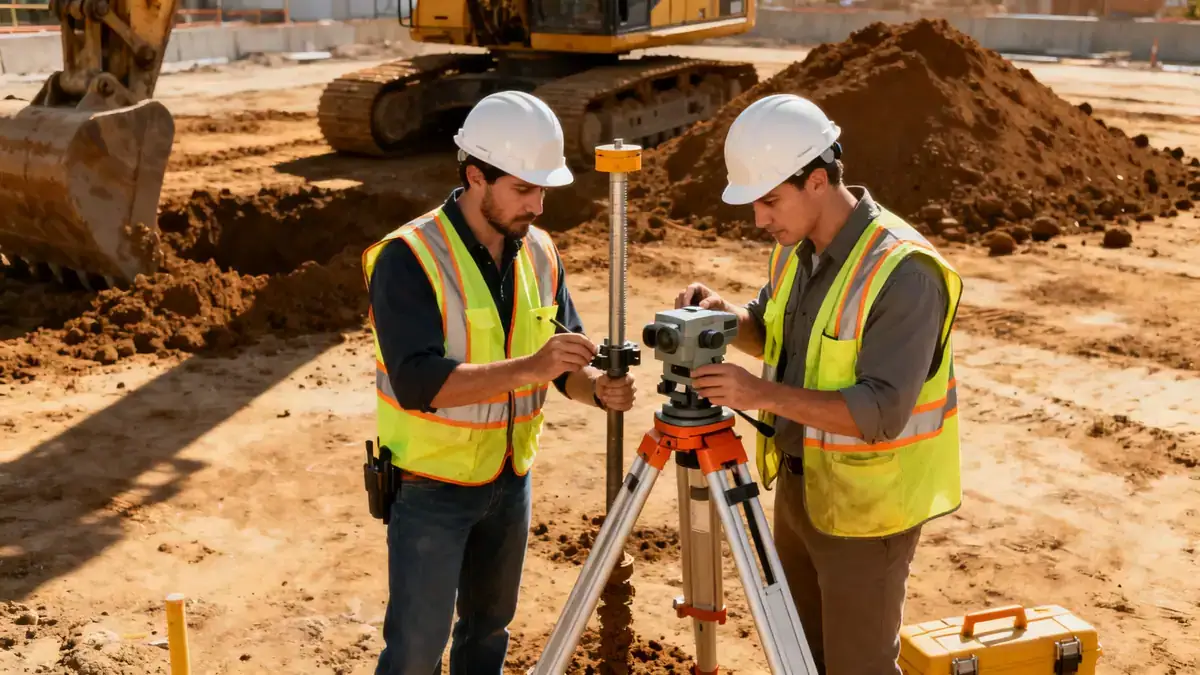
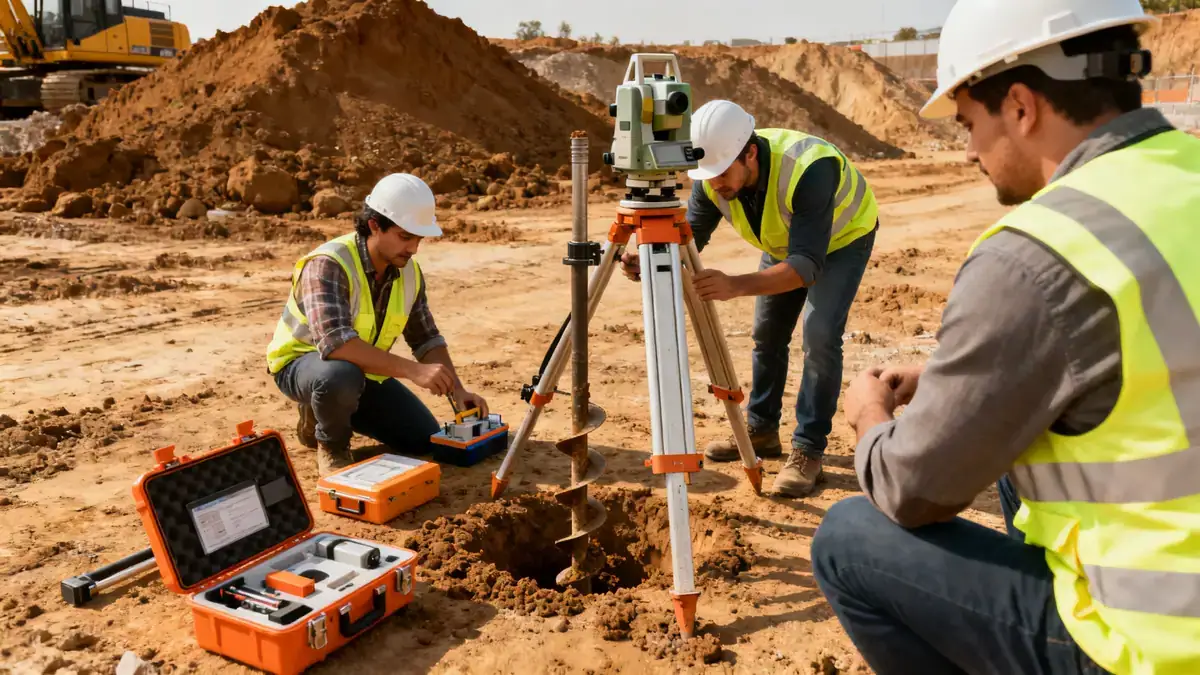
Our methodology integrates comprehensive field investigation and laboratory testing tailored to Anchorage's unique conditions. We perform standard penetration testing (SPT) per ASTM D1586 to characterize soil density and stratigraphy, supplemented by cone penetration testing (CPT) for continuous profiling. In permafrost zones, we employ specialized drilling with thermal monitoring to preserve frozen state. Our spt boring operations follow strict quality protocols, including energy measurement for hammer efficiency. Laboratory tests include moisture content, Atterberg limits, and unconfined compression on undisturbed samples. For seismic design, we conduct shear wave velocity measurements (Vs30) and cyclic triaxial tests to evaluate liquefaction potential. This data informs our engineering recommendations for foundations, earthworks, and retaining structures, ensuring compliance with local building codes.
Reference Technical Parameters
| Parameter | Reference Value |
|---|---|
| Predominant soil type | Glacial outwash sands, gravels, and silts; alluvial deposits; colluvium on hillsides |
| Maximum seismic acceleration (PGA) | 0.3–0.5 g (ASCE 7-16, Site Class C–D) |
| Typical groundwater level | 2–5 m below grade in coastal plain; deeper or perched on hillsides |
| Bedrock depth | Variable: 10–30 m in downtown; 0–5 m in hillside areas |
| Typical N60 range | 10–30 blows/ft for sands; 5–15 for silts; >40 for dense gravels |
Local Considerations — Anchorage
Anchorage's geology is dominated by glacial and alluvial deposits with significant variability over short distances. The downtown coastal plain features thick sequences of sands and gravels with a shallow water table, requiring dewatering for deep excavations. Hillside areas are underlain by colluvium and bedrock, where slope stability is a primary concern, especially during seismic events. Permafrost is present in some northern and mountainous zones, demanding specialized foundation techniques such as thermosyphons or deep piles. The city is in a high seismic zone, with design PGA values up to 0.5 g per ASCE 7. Liquefaction potential is elevated in saturated sands. Our team also operates from our hub in Seattle, extending regional expertise to Alaska. For retaining wall design, we integrate local soil parameters and seismic loads through retaining-wall-design services.
Request a Quote
Our team reviews your project and issues an initial report at no cost.
Or write us directly at [email protected]
Services in Anchorage
Applicable Standards
- ASTM D1586
- ASCE 7-16
- IBC 2018
- Alaska State Building Code (ASBC)
- Municipality of Anchorage Soil and Drainage Regulations
Frequently Asked Questions
What are the typical soil conditions in Anchorage?
Anchorage soils are predominantly glacial outwash sands, gravels, and silts, with alluvial deposits along waterways. Hillside areas have colluvial soils over bedrock. Permafrost exists in northern and high-elevation zones. The water table is shallow downtown (2–5 m) and deeper on hillsides.
How do seismic requirements affect geotechnical design in Anchorage?
Anchorage is in Seismic Design Category D or E per ASCE 7, with PGA up to 0.5 g. Geotechnical studies must evaluate liquefaction, slope stability, and bearing capacity under seismic loading. Site-specific response spectra are often required for critical structures.
When is a geotechnical investigation mandatory in Anchorage?
Municipal regulations require a geotechnical report for most new construction, including single-family homes on hillsides, commercial buildings, and subdivisions. The report must address soil bearing capacity, frost depth, seismic hazards, and drainage. Exceptions exist for minor additions on stable ground.