Methodology
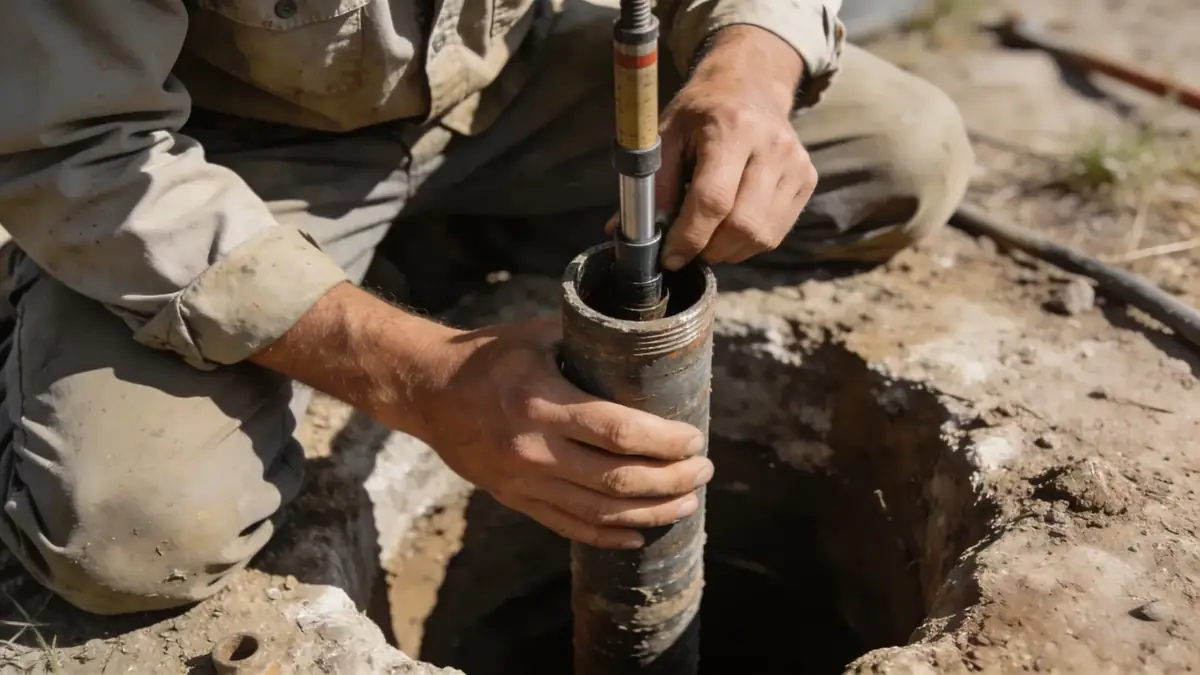
Our methodology for projects in Tulsa begins with a comprehensive review of existing geological maps and historical data specific to the region. We then conduct field investigations, including spt boring to obtain disturbed and undisturbed soil samples, followed by laboratory testing in our accredited facility. This integrated approach allows us to characterize soil strata, groundwater conditions, and engineering properties with precision. Data are interpreted in accordance with relevant standards to provide actionable recommendations for foundation design and earthworks.
Reference Technical Parameters
| Parameter | Reference Value |
|---|---|
| Predominant soil type | Alluvial sands and clays over shale bedrock |
| Maximum seismic acceleration (PGA) | 0.2 g (ASCE 7-16, Site Class D) |
| Typical groundwater level | 3 to 10 meters below ground surface |
| Bedrock depth | 20 to 40 meters |
| Typical N60 range | 5 to 30 blows per 0.3m (cohesionless soils) |
Local Considerations — Tulsa
Tulsa's geology is dominated by Quaternary alluvial deposits along the Arkansas River and its tributaries, underlain by Pennsylvanian-age shale and sandstone. The water table varies seasonally, often within 3 to 10 meters of the surface, posing challenges for excavations and foundations. Seismic hazard is moderate, with peak ground accelerations around 0.2 g per ASCE 7-16. Older neighborhoods near downtown may have undocumented fills or variable soil conditions, while new developments in south Tulsa encounter expansive clays. Our firm frequently addresses these issues through soil mechanics laboratory testing to mitigate risks. We also coordinate with our geotechnical engineering en Houston office for regional consistency.
Request a Quote
Our team reviews your project and issues an initial report at no cost.
Or write us directly at [email protected]
Services in Tulsa
Applicable Standards
- ASTM D1586 (Standard Test Method for Standard Penetration Test)
- ASCE 7-16 (Minimum Design Loads and Associated Criteria for Buildings)
- IBC 2018 (International Building Code, adopted by Tulsa)
- OSHA 29 CFR 1926 (Excavation safety regulations)
Frequently Asked Questions
What are the typical soil conditions in Tulsa?
Tulsa's soils are primarily alluvial sands, silts, and clays overlying shale bedrock. The Arkansas River valley has deep deposits, while upland areas have thinner soils over weathered shale. Expansive clays are common in some neighborhoods.
Does Tulsa have seismic design requirements?
Yes, Tulsa is in Seismic Design Category B per IBC 2018, with a mapped maximum considered earthquake acceleration of 0.2 g. Site-specific response spectra may be required for critical structures per ASCE 7-16.
Are geotechnical studies mandatory for construction in Tulsa?
While not always legally required for all projects, most building permits for commercial or multi-family structures necessitate a geotechnical report. Lenders and insurers often mandate them for risk assessment. Our firm routinely provides these studies.