Methodology
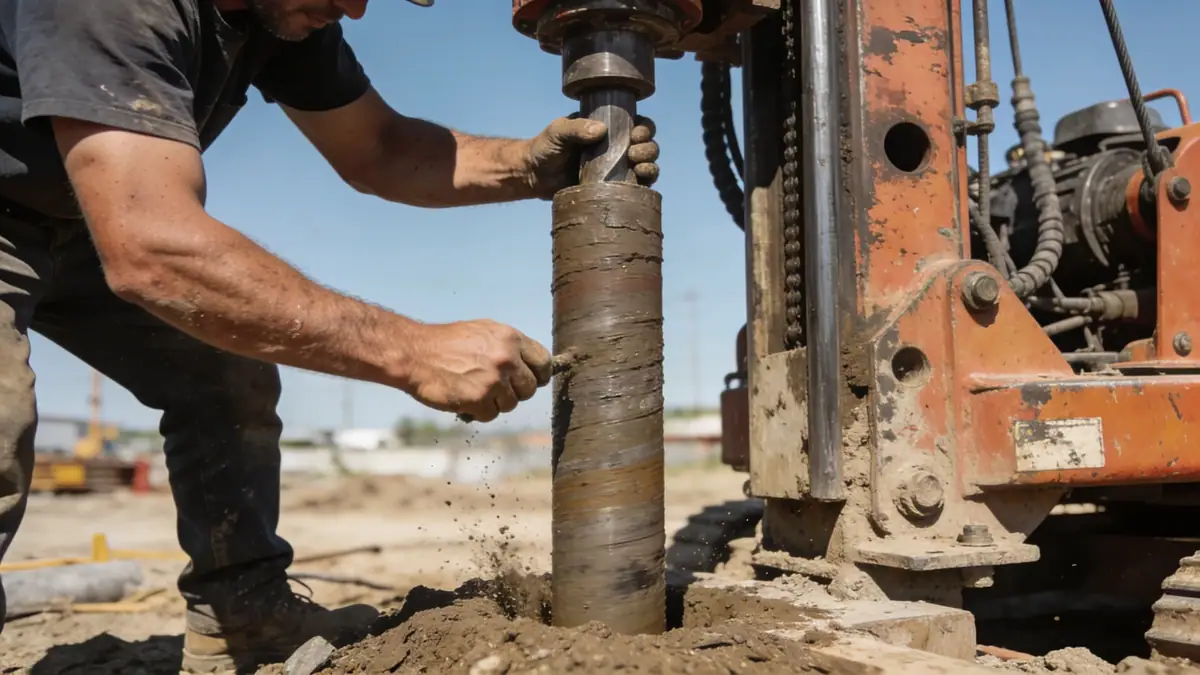
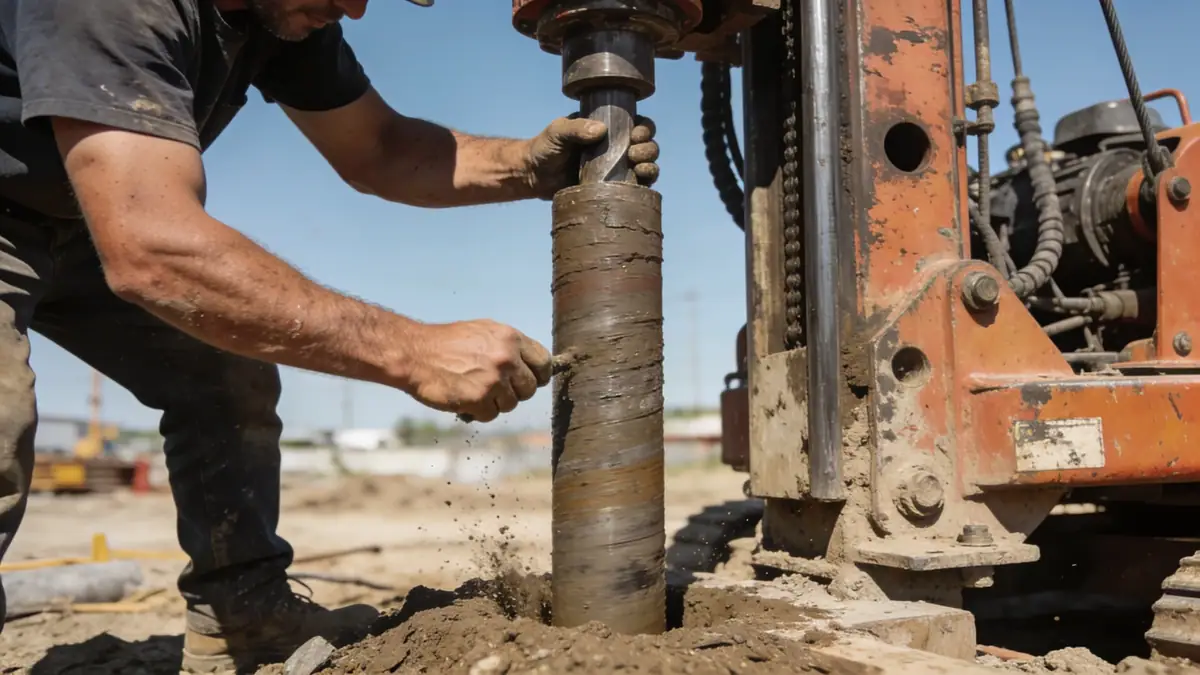
Our geotechnical engineering methodology in Shreveport begins with a thorough desk study of regional geology and existing borehole data, followed by a field exploration program. We typically perform spt boring using ASTM D1586 procedures to assess soil stratification and strength. Samples are collected for laboratory testing, including grain size analysis (ASTM D6913), Atterberg limits (ASTM D4318), and unconfined compression tests. Our team evaluates bearing capacity, settlement potential, and liquefaction susceptibility. The final report integrates field and lab data with site-specific recommendations for shallow or deep foundations, slope stability, and earthwork construction, ensuring compliance with local regulatory requirements.
Reference Technical Parameters
| Parameter | Reference Value |
|---|---|
| Predominant soil type | Silty sand and clay (alluvial deposits) |
| Maximum seismic acceleration (PGA) | 0.15g (ASCE 7-16, Site Class D) |
| Typical groundwater level | 3–8 m below ground surface |
| Bedrock depth | 30–60 m (Tertiary sediments) |
| Typical N60 range | 4–12 (soft to medium stiff clays) |
Local Considerations — Shreveport
Shreveport's geology presents unique challenges: (1) Alluvial soils from the Red River create variable bearing capacities, often requiring deep foundations for heavy structures. (2) High groundwater levels, especially near the river, complicate excavation and increase hydrostatic uplift risks. (3) Seismic hazard is moderate (PGA ~0.15g), but liquefaction potential exists in loose sands. (4) Older neighborhoods near downtown have undocumented fill, requiring careful investigation. (5) Expansive clays are common in the western areas, necessitating soil stabilization measures. Our team tailors exploration plans to these conditions, ensuring accurate foundation design. For broader regional expertise, we coordinate with our geotechnical engineering en Houston office to leverage experience in similar Gulf Coast terrains.
Request a Quote
Our team reviews your project and issues an initial report at no cost.
Or write us directly at [email protected]
Services in Shreveport
Applicable Standards
- ASTM D1586 (Standard Penetration Test)
- ASTM D6913 (Particle Size Analysis)
- ASCE 7-16 (Minimum Design Loads for Buildings)
- Louisiana Building Code (IBC 2015 based)
- Eurocode 7 (for international projects)
Frequently Asked Questions
What soil types are typically found in Shreveport?
Shreveport's subsurface is dominated by Quaternary alluvial deposits of the Red River, consisting of interbedded silty sands, clays, and gravels. Older terraces contain stiff clays and sands. Expansive clay soils are common in western areas, requiring special foundation design to mitigate swelling and shrinkage.
Is a geotechnical study required for residential construction in Shreveport?
While not always mandated by code for single-family homes, a geotechnical investigation is strongly recommended due to variable soil conditions. Many local lenders and insurers require a soil report for new construction. Our firm provides cost-effective residential studies that protect against costly foundation failures.
Does Shreveport have specific seismic design requirements?
Yes, Shreveport falls under Seismic Design Category B per ASCE 7-16, with a maximum considered earthquake spectral response acceleration (SDS) of approximately 0.2g. Structures must comply with the Louisiana Building Code, which references ASCE 7 for seismic loads. Our reports include site-specific seismic parameters.