Methodology
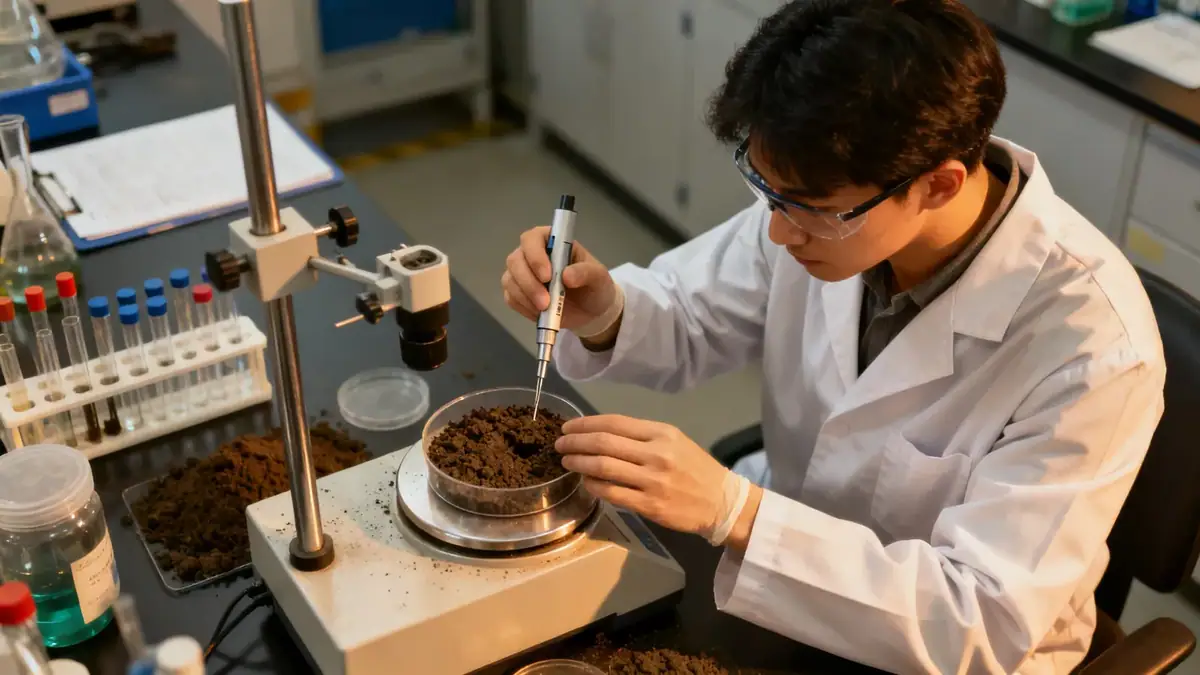
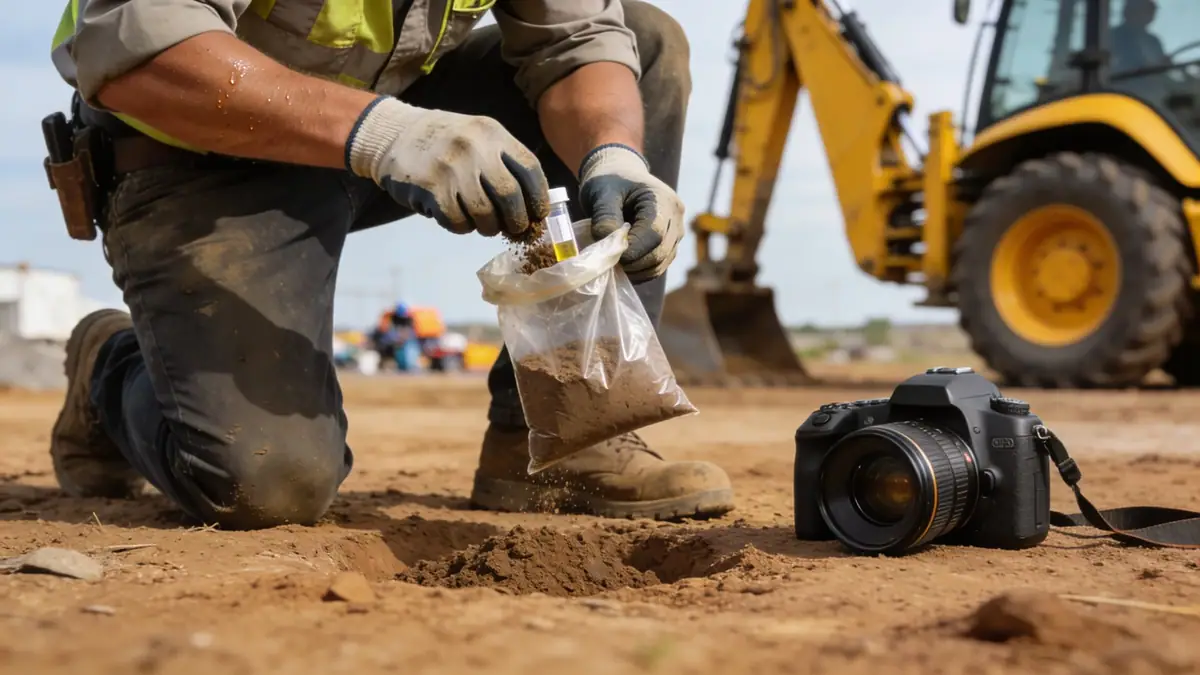
Our methodology for geotechnical engineering in Jackson Mississippi begins with a thorough review of existing geologic maps and prior project data. We then execute a targeted field exploration program, typically using spt boring to obtain disturbed and undisturbed samples at intervals per ASTM D1586. In-situ testing includes standard penetration tests (SPT) to measure N60 values, supplemented by cone penetration tests (CPT) for continuous stratigraphic profiling. Laboratory testing on recovered samples follows ASTM standards for classification, strength, and consolidation properties. This integrated approach ensures we capture the spatial variability of Jackson's subsurface conditions, from near-surface clay crusts to deeper sand and gravel layers.
Reference Technical Parameters
| Parameter | Reference Value |
|---|---|
| Predominant soil type | Alluvial silty clay and sand (Mississippi River deposits) |
| Maximum seismic acceleration (PGA) | 0.10–0.15 g per ASCE 7-16 |
| Typical groundwater level | 3–8 ft below ground surface |
| Bedrock depth | 100–200 ft (Tertiary formations) |
| Typical N60 range | 5–30 blows/ft (clay to dense sand) |
Local Considerations — Jackson Mississippi
Jackson's geology is dominated by Quaternary alluvium overlying the Eocene Cockfield Formation. High plasticity clays (CH) are common, posing shrink-swell risks. Groundwater is typically shallow (3–8 ft), requiring dewatering considerations for excavations. Seismic hazard is moderate, with site class D typical per ASCE 7. In older downtown areas, fill and buried utilities complicate subsurface conditions. Our team has extensive experience with these challenges, and we coordinate seamlessly with our geotechnical engineering en Houston office to leverage broader regional expertise.
Request a Quote
Our team reviews your project and issues an initial report at no cost.
Or write us directly at [email protected]
Services in Jackson Mississippi
Applicable Standards
- ASTM D1586 (Standard Penetration Test)
- ASCE 7-16 (Minimum Design Loads for Buildings)
- IBC 2018 (International Building Code)
- ASTM D2487 (Unified Soil Classification System)
- ASTM D4318 (Atterberg Limits)
Frequently Asked Questions
What are the typical soil conditions encountered in Jackson Mississippi?
Jackson's soils are primarily alluvial silty clays and sands deposited by the Mississippi River. Near-surface clays often exhibit high plasticity and moderate to high expansion potential. Deeper strata include dense sands and gravels. Groundwater is typically shallow, at depths of 3 to 8 feet.
Is seismic analysis required for geotechnical engineering in Jackson Mississippi?
Yes. Per ASCE 7-16, Jackson falls within Seismic Design Category B to C, with peak ground accelerations of 0.10–0.15 g. Site-specific seismic hazard analysis may be required for critical structures. Our team evaluates liquefaction potential and site amplification for all projects.
Are geotechnical studies mandatory for construction in Jackson?
While the IBC 2018 requires geotechnical investigations for most structures, local enforcement varies. However, given the challenging soils and moderate seismic risk, we strongly recommend a thorough subsurface exploration to mitigate foundation distress and comply with building codes.