Methodology
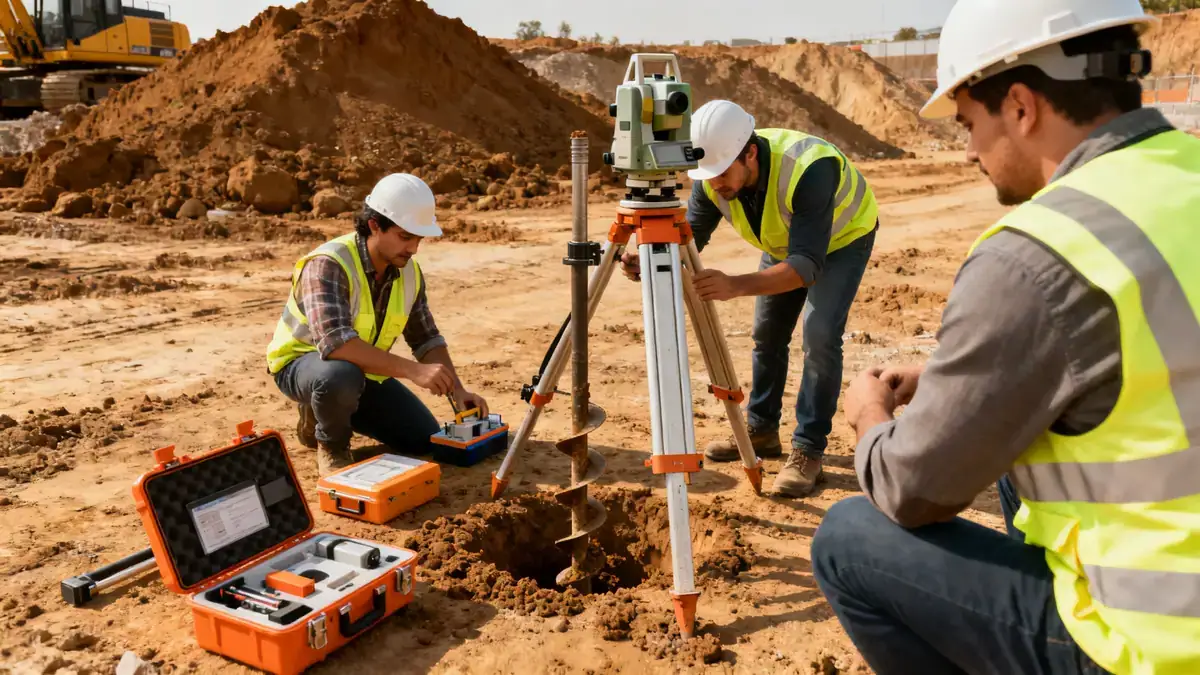
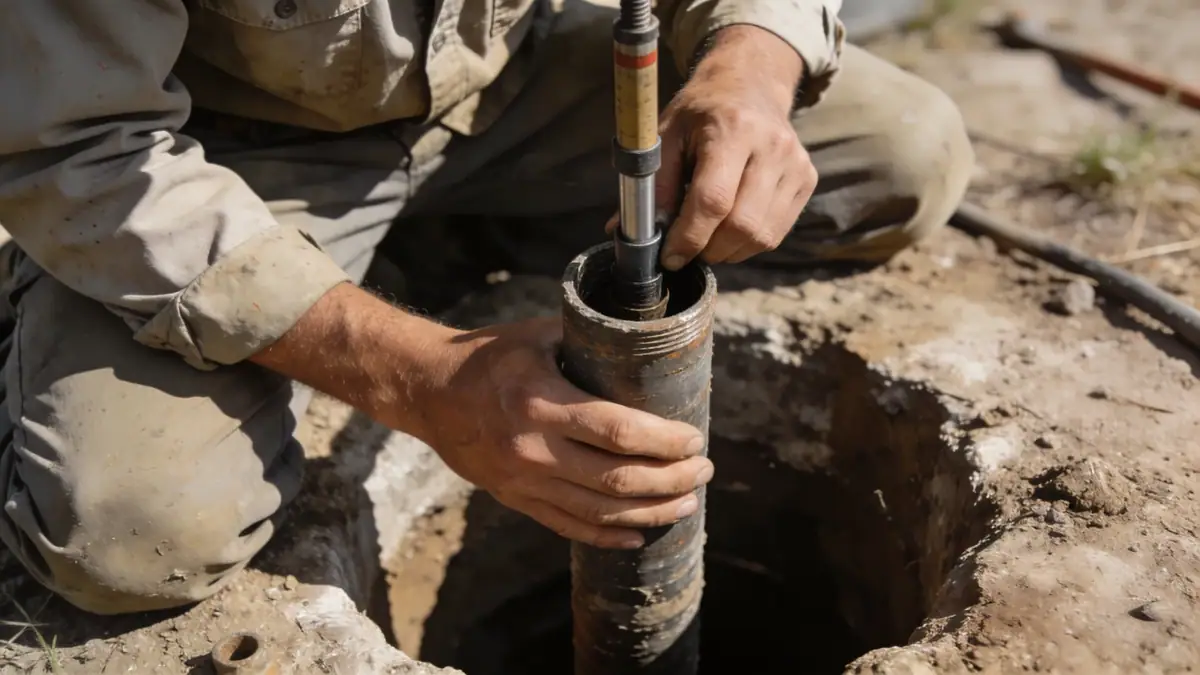
Our methodology begins with a thorough review of existing geological data and site-specific reconnaissance. Field investigations typically employ spt boring to characterize subsurface stratigraphy and obtain disturbed samples for classification. We then conduct laboratory testing on representative samples to determine engineering properties such as shear strength and consolidation behavior. This data is interpreted using limit equilibrium and numerical modeling techniques to assess bearing capacity, settlement, and slope stability for proposed developments. Our integrated approach ensures that design parameters are tailored to Irving's subsurface conditions.
Reference Technical Parameters
| Parameter | Reference Value |
|---|---|
| Predominant soil type | Clay and sandy clay (alluvial deposits) |
| Maximum seismic acceleration (PGA) | 0.10 g (ASCE 7-16) |
| Typical groundwater level | 3–6 m below ground surface |
| Bedrock depth | 15–30 m (Austin Chalk formation) |
| Typical N60 range | 5–15 in clay, 20–40 in sand layers |
Local Considerations — Irving
Irving's geology is dominated by Quaternary alluvial deposits of the Trinity River, comprising interbedded clays, silts, and sands with variable thickness. Shallow groundwater is common, often requiring dewatering for deep excavations. The city falls within Seismic Design Category B per ASCE 7, with low to moderate seismic hazard. Northern areas near DFW Airport exhibit stiffer soils, while southern sectors have softer clays prone to settlement. Typical projects include mid-rise buildings with mat foundations or deep piles. For broader context, our geotechnical engineering en Houston experience complements our Irving practice. Additionally, we offer soil mechanics laboratory services for detailed material characterization.
Request a Quote
Our team reviews your project and issues an initial report at no cost.
Or write us directly at [email protected]
Services in Irving
Applicable Standards
- ASTM D1586 (Standard Penetration Test)
- ASCE 7-16 (Minimum Design Loads for Buildings)
- International Building Code (IBC) 2021
- Texas Administrative Code (TAC) Title 16, Part 1
Frequently Asked Questions
What are the typical soil conditions encountered in Irving?
Irving's soils are predominantly alluvial clays and sands from the Trinity River floodplain. Clay layers often exhibit moderate to high plasticity, with N60 values ranging from 5 to 15. Sandy layers are denser, with N60 up to 40. Groundwater is commonly found at depths of 3–6 m.
Does Irving have specific seismic requirements for geotechnical engineering?
Irving is classified as Seismic Design Category B under ASCE 7, with a mapped maximum considered earthquake (MCE) PGA of 0.10 g. While seismic demands are low, site-specific response analyses may be required for critical facilities or soft soil profiles to comply with IBC 2021.
Are geotechnical studies mandatory for construction in Irving?
The City of Irving typically requires a geotechnical investigation for new building permits, especially for structures with deep foundations or significant loads. The IBC 2021 mandates subsurface exploration and laboratory testing to establish allowable bearing pressures and settlement criteria.