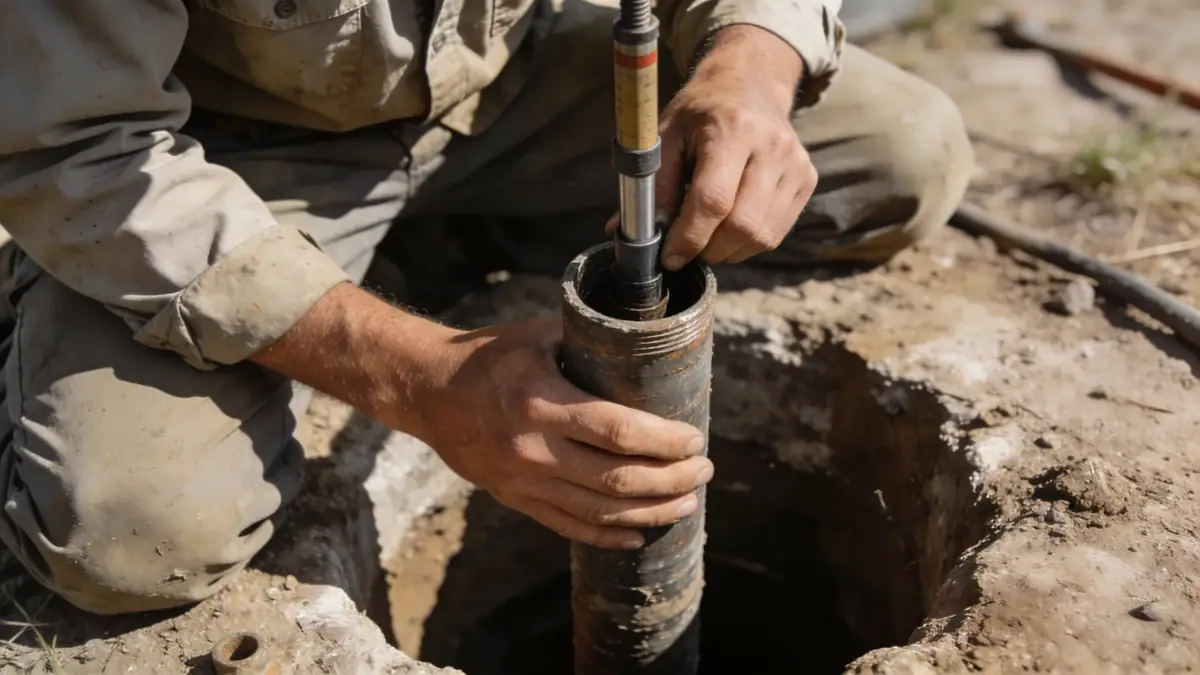
Methodology
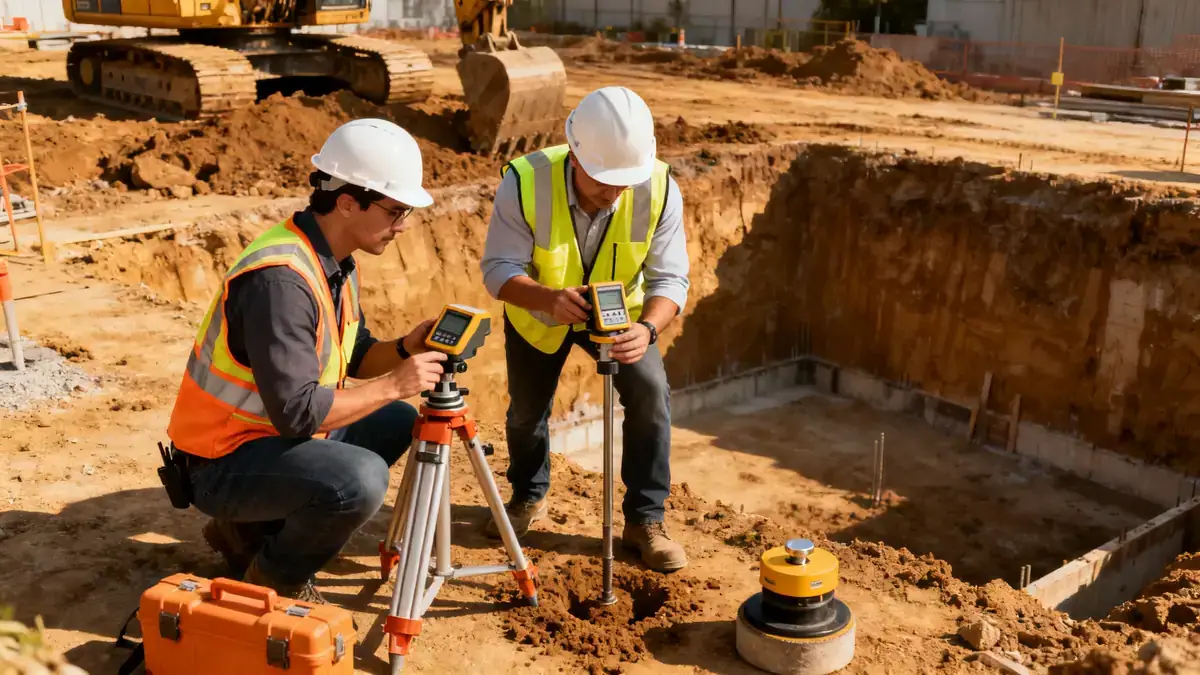
Our methodology for geotechnical engineering in Oklahoma City follows ASTM D1586 for Standard Penetration Test (SPT) borings, with sampling intervals every 1.5 meters. We combine this with laboratory testing, including Atterberg limits and unconfined compression tests, to characterize the expansive clay soils. Our approach ensures accurate bearing capacity and settlement predictions. For detailed subsurface profiling, we also utilize spt boring techniques. Each project undergoes rigorous quality control to meet local building codes and ASCE 7 seismic provisions. Our team integrates field data with advanced analysis to deliver cost-effective foundation recommendations.
Reference Technical Parameters
| Parameter | Reference Value |
|---|---|
| Predominant soil type | Expansive clay (Chickasha, Pond Creek) |
| Maximum seismic acceleration (PGA) | 0.10g (ASCE 7, Site Class D) |
| Typical groundwater level | 3–6 m below ground surface |
| Bedrock depth | Variable, 30–60 m (shale/sandstone) |
| Typical N60 range (SPT) | 4–12 (clay), 15–30 (sand/gravel) |
Local Considerations — Oklahoma City
Oklahoma City's geology is dominated by expansive clay soils (Chickasha and Pond Creek formations), which undergo significant volume changes with moisture variation. This necessitates careful foundation design, often using drilled piers or post-tensioned slabs. The groundwater table typically lies at 3–6 m depth, but perched conditions can occur after heavy rain. Seismic hazard is moderate, with a PGA of 0.10g per ASCE 7, requiring site-specific response analysis for critical structures. Our team has extensive experience with local conditions, from downtown high-rises to suburban developments. For comprehensive soil characterization, we integrate soil mechanics laboratory testing. For projects elsewhere, our geotechnical engineering en Houston team offers similar expertise.
Request a Quote
Our team reviews your project and issues an initial report at no cost.
Or write us directly at [email protected]
Services in Oklahoma City
Applicable Standards
- ASTM D1586 (Standard Penetration Test)
- ASCE 7 (Minimum Design Loads for Buildings)
- IBC 2021 (International Building Code)
- Oklahoma City Building Code (Chapter 18 Soils & Foundations)
Frequently Asked Questions
What are the typical soil conditions in Oklahoma City?
The predominant soils are expansive clays from the Chickasha and Pond Creek formations, which can cause foundation heave if not properly mitigated. Sand and gravel layers are present in some areas, offering better bearing capacity.
Is seismic design required for structures in Oklahoma City?
Yes, Oklahoma City lies in a moderate seismic zone. Per ASCE 7, the design PGA is 0.10g for Site Class D. Seismic analysis is mandatory for most commercial and multi-family buildings, affecting foundation and structural design.
Are geotechnical studies mandatory for new construction in Oklahoma City?
While not always required for single-family homes, geotechnical investigations are strongly recommended for all projects due to expansive soils. Commercial and public buildings typically require such studies per the Oklahoma City Building Code.