Methodology
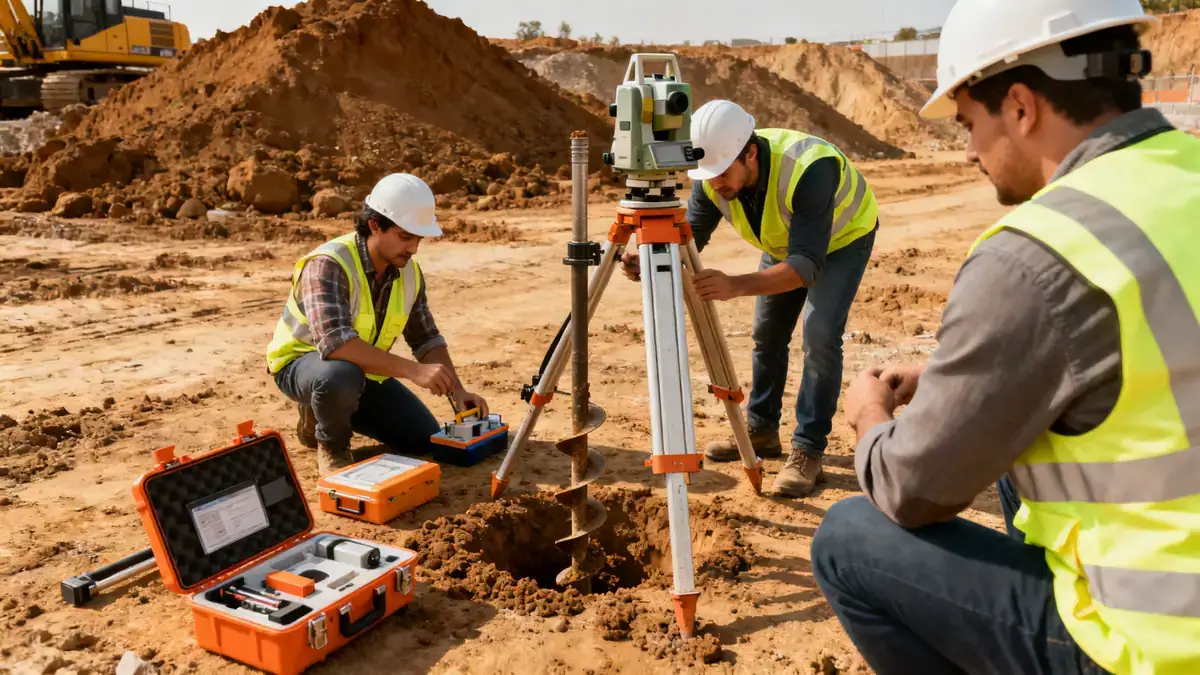
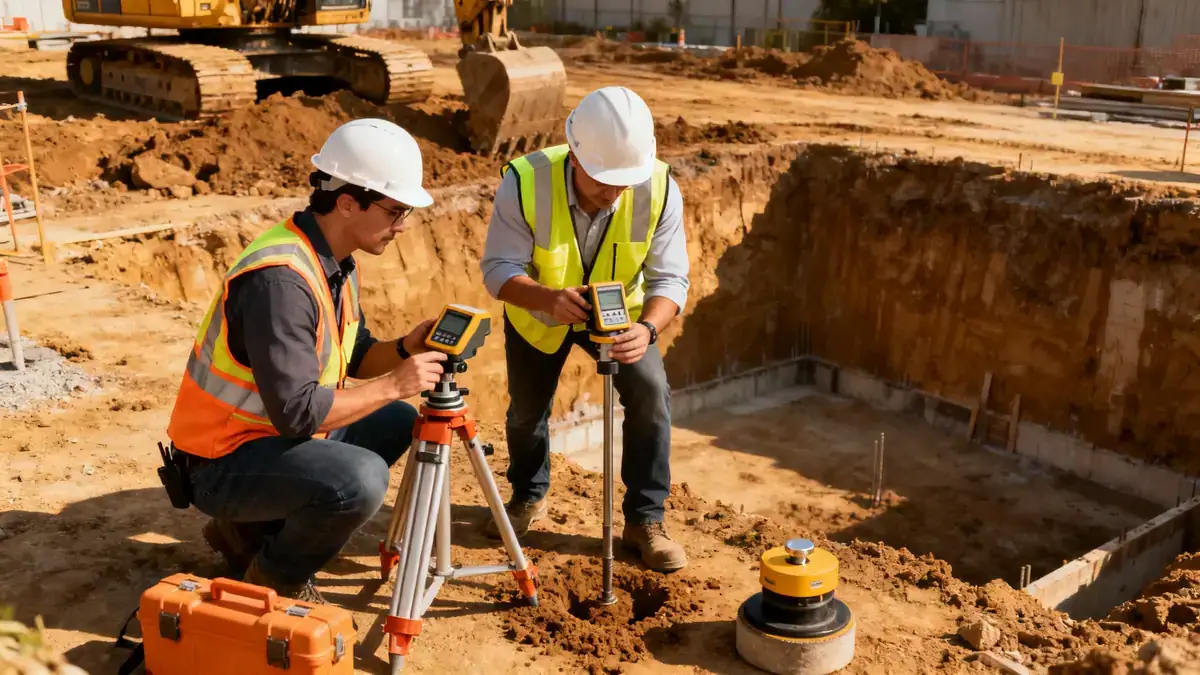
Our firm employs a systematic approach to geotechnical engineering in Dallas, integrating field investigations such as spt boring with advanced laboratory testing. We follow ASTM D1586 for standard penetration tests, ensuring consistent soil strength data. Our methodology includes continuous monitoring, data analysis, and site-specific modeling to address Dallas's variable soil profiles, from expansive clays to alluvial deposits. This rigor supports safe foundation design and slope stability assessments across the city.
Reference Technical Parameters
| Parameter | Reference Value |
|---|---|
| Predominant soil type | Expansive clay (Eagle Ford Formation) and alluvial sands |
| Maximum seismic acceleration (PGA) | 0.10–0.15 g (ASCE 7 seismic design category B) |
| Typical groundwater level | 10–30 ft depth, varies with season and location |
| Bedrock depth | 50–200 ft (Austin Chalk or Eagle Ford Shale) |
| Typical N60 range | 5–25 blows/ft in clays; 20–50 blows/ft in sands |
Local Considerations — Dallas
Dallas's geology is dominated by Cretaceous marine sediments, including expansive clays from the Eagle Ford Formation and alluvial deposits along the Trinity River. These clays exhibit high shrink-swell potential, requiring specialized foundation design. Seismic risk is low (PGA ~0.10–0.15 g per ASCE 7), but geotechnical investigations must account for soil amplification. Groundwater levels fluctuate with rainfall, impacting excavation and retaining wall design. Our firm coordinates with geotechnical engineering en Houston to leverage regional expertise, while local knowledge ensures accurate characterization of Dallas's distinct soil behavior.
Request a Quote
Our team reviews your project and issues an initial report at no cost.
Or write us directly at [email protected]
Services in Dallas
Applicable Standards
- ASTM D1586 – Standard Penetration Test (SPT)
- ASCE 7 – Minimum Design Loads and Associated Criteria for Buildings
- International Building Code (IBC) – Chapter 18 (Soils and Foundations)
- Texas Administrative Code – Licensing and Practice Standards
Frequently Asked Questions
What are the typical soil conditions for geotechnical engineering in Dallas?
Dallas soils predominantly consist of expansive clays from the Eagle Ford Formation, with alluvial sands along the Trinity River. These clays exhibit high plasticity and shrink-swell potential, requiring careful evaluation of moisture content and foundation design to prevent differential movement.
Is seismic design required for Dallas geotechnical projects?
Yes, Dallas falls under ASCE 7 seismic design category B with a peak ground acceleration of 0.10–0.15 g. While seismic risk is moderate, site-specific soil amplification must be considered in accordance with IBC Chapter 18 to ensure structural safety.
Are geotechnical studies mandatory for construction in Dallas?
The City of Dallas and most local jurisdictions require geotechnical investigations for new structures, additions, and significant renovations. These studies are essential to comply with IBC Chapter 18 and local amendments, addressing soil bearing capacity, settlement, and expansive soil mitigation.