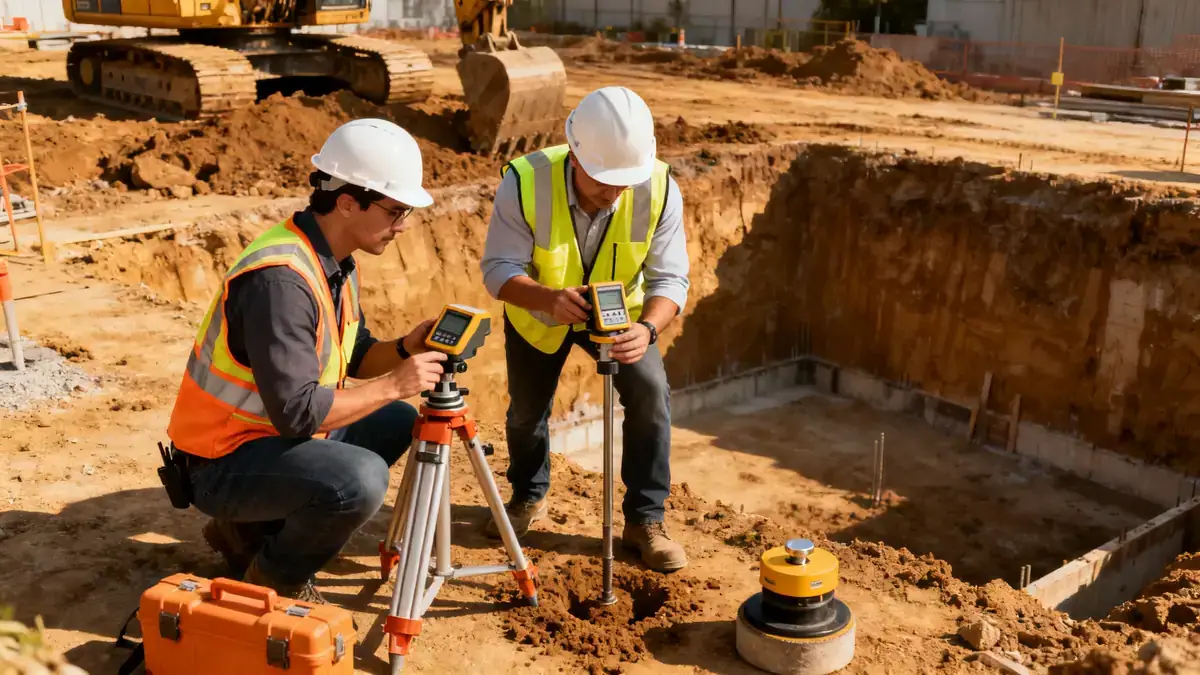
Methodology
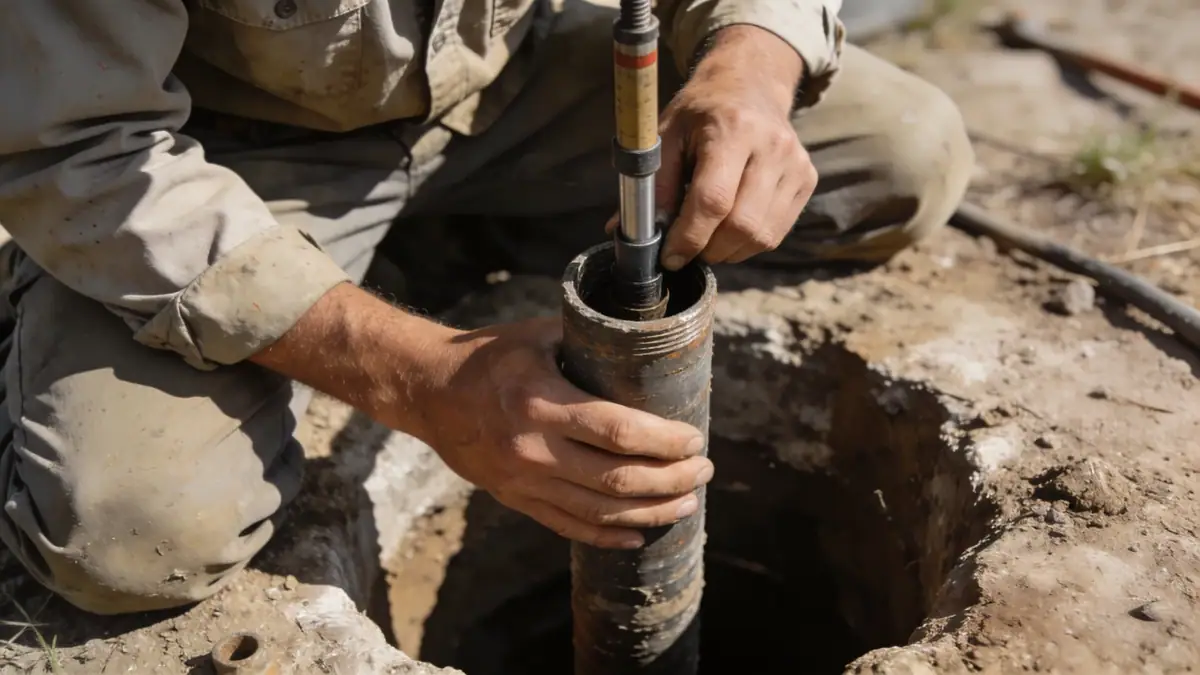
Our approach to geotechnical engineering in Garland begins with a thorough site reconnaissance and review of existing geological maps. We employ standardized field and laboratory testing protocols, including ASTM D1586 for Standard Penetration Tests (SPT) and ASTM D2487 for soil classification. Our team utilizes continuous flight auger and hollow-stem auger drilling methods to retrieve undisturbed samples. Laboratory analyses encompass Atterberg limits, unconfined compression, and direct shear tests to characterize soil strength and compressibility. All findings are integrated into a geotechnical report that addresses foundation design, slope stability, and pavement recommendations specific to Garland's subsurface conditions. For detailed field investigation procedures, see our spt boring service page.
Reference Technical Parameters
| Parameter | Reference Value |
|---|---|
| Predominant soil type | Stiff clay (CH) and silty sand (SM) |
| Maximum seismic acceleration (PGA) | 0.10g (MCER, Site Class D) |
| Typical groundwater level | 12–20 ft below ground surface |
| Bedrock depth | Variable, 30–60 ft (Austin Chalk) |
| Typical N60 range | 15–30 blows/ft (clay), 20–40 blows/ft (sand) |
Local Considerations — Garland
Garland's geology presents specific challenges: (1) Expansive clay soils with high plasticity index (PI > 30) require careful foundation design to mitigate heave and shrinkage. (2) The Eagle Ford Shale may pose stability issues for deep excavations. (3) Seismic hazard is moderate; site response analysis per ASCE 7-22 is recommended for critical structures. (4) Older neighborhoods (e.g., Downtown Garland) have variable fill depths from historical development. (5) Typical projects include residential slabs-on-grade, commercial buildings with shallow foundations, and pavement design for City of Garland streets. For advanced laboratory characterization, refer to our soil mechanics laboratory page. Our team coordinates with the City of Garland Building Inspection Department to ensure compliance with local codes.
Request a Quote
Our team reviews your project and issues an initial report at no cost.
Or write us directly at [email protected]
Services in Garland
Applicable Standards
- ASTM D1586 – Standard Penetration Test (SPT)
- ASTM D2487 – Classification of Soils for Engineering Purposes
- ASCE 7-22 – Minimum Design Loads and Associated Criteria for Buildings and Other Structures
- International Building Code (IBC) 2024
- City of Garland Municipal Code – Chapter 34 (Building Regulations)
Frequently Asked Questions
What are the predominant soil types in Garland, Texas?
Garland's soils are primarily stiff clays (CH) of the Eagle Ford Formation and silty sands (SM) in alluvial areas. These expansive clays have high plasticity and require specific foundation engineering to prevent differential movement. Our geotechnical reports provide detailed soil classifications per ASTM D2487.
Is seismic design required for structures in Garland?
Yes, Garland is classified as Seismic Design Category B per ASCE 7-22. Although seismic hazard is moderate, site-specific ground motion parameters (Ss and S1) must be determined. For most buildings, a simplified seismic design per IBC Chapter 16 is sufficient, but critical facilities may require a site response analysis.
Are geotechnical investigations mandatory for new construction in Garland?
The City of Garland requires a geotechnical report for all new commercial and multifamily buildings, as well as for residential projects on expansive soils or with deep foundations. Our firm prepares reports that satisfy local building department requirements, including recommendations for foundation type, slab design, and drainage.