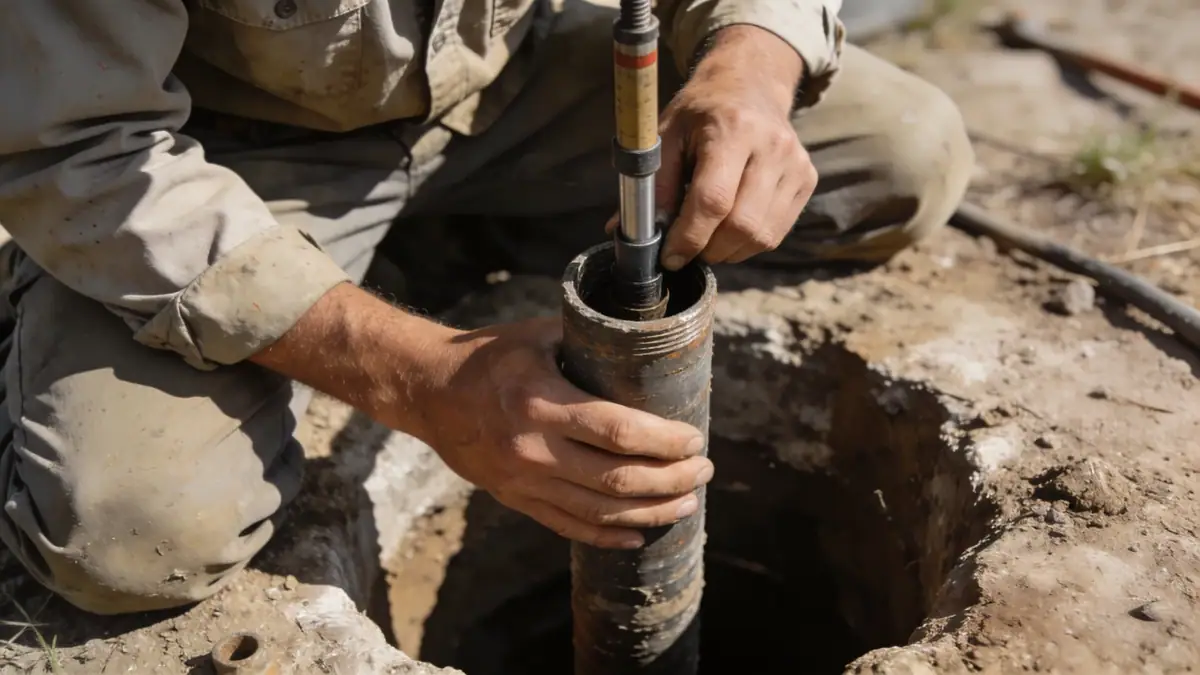
Methodology
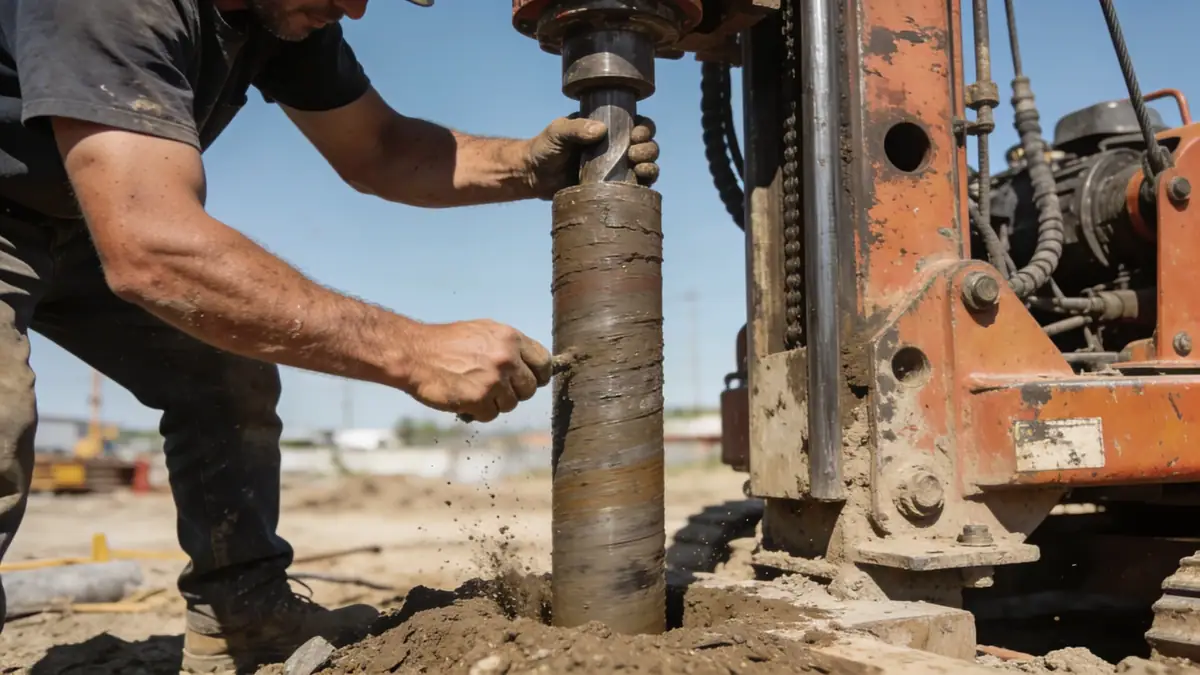
Our geotechnical engineering approach in Baton Rouge integrates field and laboratory investigations to characterize subsurface conditions. We conduct spt boring to obtain soil samples and measure N60 values, following ASTM D1586. Laboratory tests, including grain size analysis (ASTM D6913) and Atterberg limits (ASTM D4318), classify soils and assess engineering properties. For seismic considerations, we evaluate site class per ASCE 7, incorporating peak ground acceleration (PGA) values for Baton Rouge. This systematic methodology ensures robust foundation recommendations and compliance with local building codes.
Reference Technical Parameters
| Parameter | Reference Value |
|---|---|
| Predominant soil type | Clay and silt (alluvial deposits) |
| Maximum seismic acceleration (PGA) | 0.05g to 0.10g (ASCE 7) |
| Typical groundwater level | 2 to 5 meters below surface |
| Bedrock depth | Greater than 30 meters |
| Typical N60 range | 5 to 15 blows per foot (SPT) |
Local Considerations — Baton Rouge
Baton Rouge's geology is dominated by Mississippi River alluvial deposits, consisting of soft clays, silts, and sands with high compressibility. The shallow groundwater table (2-5 m) poses challenges for excavation and foundation design. Seismic risk is moderate, with PGA up to 0.10g per ASCE 7, requiring site-specific response analysis for critical structures. Older neighborhoods may have undocumented fills, while new developments often require deep foundations. Our team integrates these factors into geotechnical reports, referencing our soil mechanics laboratory for accurate soil characterization. For broader regional context, we collaborate with our geotechnical engineering en Houston office.
Request a Quote
Our team reviews your project and issues an initial report at no cost.
Or write us directly at [email protected]
Services in Baton Rouge
Applicable Standards
- ASTM D1586
- ASCE 7
- ASTM D6913
- ASTM D4318
- International Building Code (IBC)
Frequently Asked Questions
What are the typical soil conditions in Baton Rouge?
Baton Rouge soils are primarily alluvial clays and silts from the Mississippi River, with high plasticity and compressibility. Groundwater is generally shallow (2-5 m), and bedrock is deep (>30 m). These conditions require careful geotechnical evaluation for foundation design.
Is seismic analysis required for projects in Baton Rouge?
Yes, per ASCE 7 and the IBC, seismic analysis is required for most structures in Baton Rouge. The region has moderate seismicity with PGA values of 0.05g to 0.10g, and site-specific response spectra may be needed for critical facilities.
Are geotechnical studies mandatory for construction in Baton Rouge?
Geotechnical studies are not universally mandated but are strongly recommended by local building officials and are typically required for commercial, industrial, and multi-story residential projects. They help mitigate risks from soft soils and groundwater.