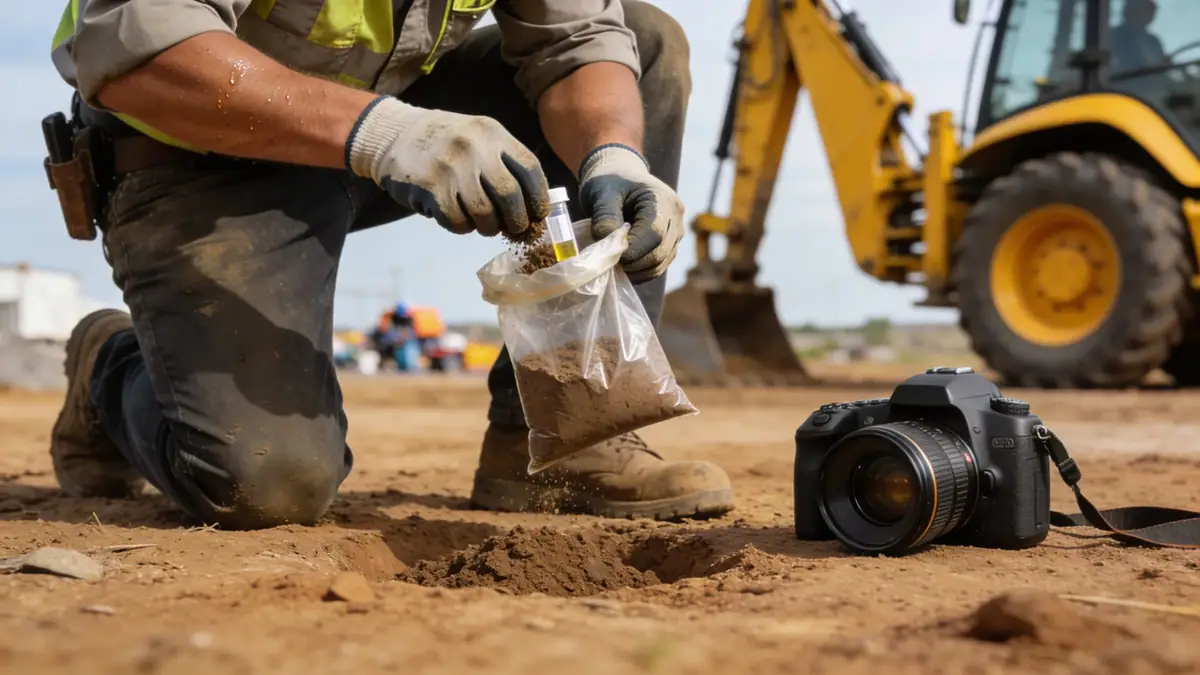
Methodology
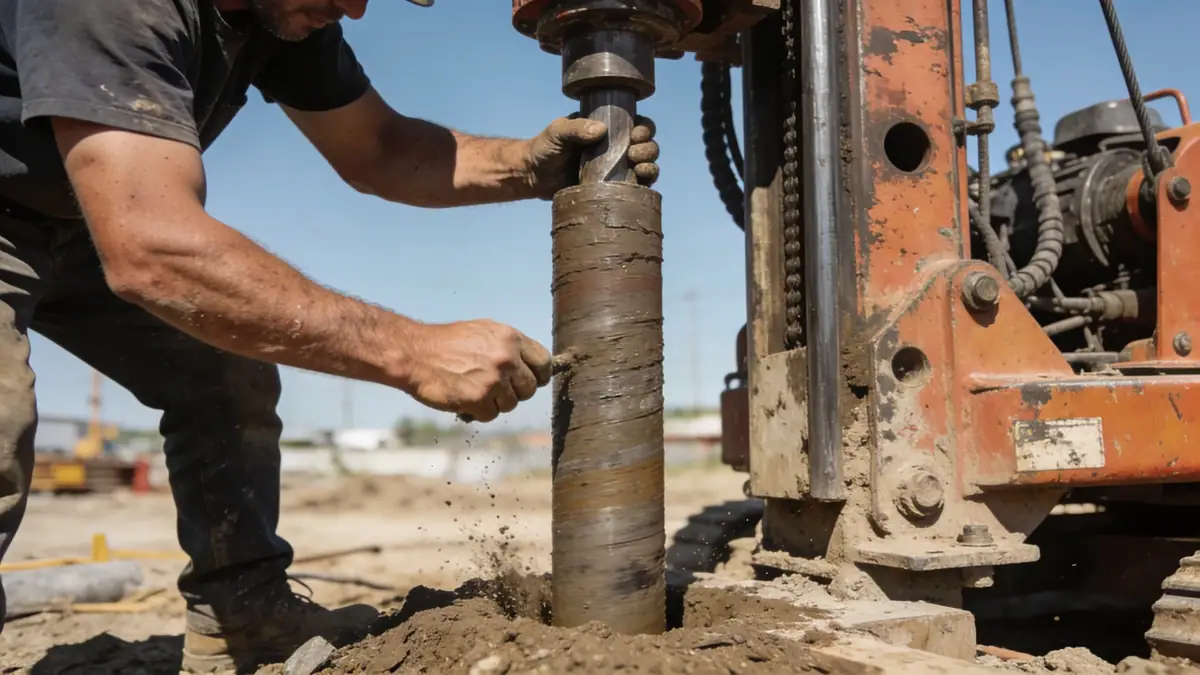
Our methodology for geotechnical engineering in Plano Texas begins with a comprehensive review of existing geological maps and local records. We then conduct targeted field investigations, including spt boring to recover soil samples at regular intervals, typically every 1.5 meters, following ASTM D1586. Laboratory testing classifies soils and measures strength parameters. Our team interprets data to develop site-specific recommendations, ensuring foundations and earthworks are designed for long-term performance in Plano's variable subsurface conditions.
Reference Technical Parameters
| Parameter | Reference Value |
|---|---|
| Predominant Soil Type | Expansive clay (vertisol) with interbedded sandy loam |
| Maximum Seismic Acceleration (PGA) | 0.10g (ASCE 7-16, Site Class D) |
| Typical Groundwater Level | 10 to 25 feet below ground surface |
| Bedrock Depth | 50 to 100 feet (Austin Chalk formation) |
| Typical N60 Range | 5 to 15 blows per foot (clay); 20 to 40 blows per foot (sandy layers) |
Local Considerations — Plano Texas
Plano's geology is dominated by expansive clay soils derived from the Eagle Ford and Austin Chalk formations, which undergo significant volume changes with moisture variations. Shallow groundwater is typically encountered between 10 and 25 feet. Seismic design follows ASCE 7-16 with a peak ground acceleration of 0.10g for Site Class D. Older neighborhoods near downtown Plano often have deeper clay layers, while newer developments to the west exhibit more sandy soils. Common challenges include foundation heave and slab cracking. For comprehensive assessments, our team also offers soil mechanics laboratory testing to quantify soil behavior. Our hub in geotechnical engineering en Houston provides regional support for complex projects.
Request a Quote
Our team reviews your project and issues an initial report at no cost.
Or write us directly at [email protected]
Services in Plano Texas
Applicable Standards
- ASTM D1586 (Standard Test Method for Standard Penetration Test)
- ASCE 7-16 (Minimum Design Loads and Associated Criteria for Buildings and Other Structures)
- International Building Code (IBC) 2018
- City of Plano Engineering Standards
Frequently Asked Questions
What soil types are commonly found in Plano Texas?
Plano's soil is predominantly expansive clay derived from the Eagle Ford and Austin Chalk formations. These clays swell when wet and shrink when dry, posing challenges for foundations. Sandy loam layers are also present, especially in western areas. Geotechnical investigation is essential to characterize these soils.
Is seismic design required for structures in Plano?
Yes, the International Building Code requires seismic design for most structures in Plano. The peak ground acceleration for Site Class D is 0.10g per ASCE 7-16. A site-specific seismic evaluation may be needed for critical facilities or unusual soil conditions.
Are geotechnical studies mandatory for construction in Plano?
While not always mandatory for all projects, the City of Plano and most lending institutions require a geotechnical report for new construction, additions, or significant renovations. The study ensures foundation design accounts for local soil conditions and mitigates risks like differential settlement or heave.